









Flutter App Development
We use Flutter to build cross-platform mobile applications. It earns its place where shared development supports the experience you require, the platform functionality and the long-term product roadmap.
Reach Android and iOS users with a consistent app experience built from a shared codebase. WDI develops cross platform apps that balance delivery efficiency with the performance, usability, and platform features your product needs.








WDI is a cross-platform app development company. Our work with product teams covers planning, building, migrating and modernising mobile applications. We take a cross-platform approach where shared engineering supports the experience required on both iOS and Android. In practice, our cross-platform app development services span Flutter, React Native, migration, modernisation, interface development and quality assurance. We don't recommend cross-platform by default, though. Platform requirements, device functionality, integrations, maintainability and roadmap priorities get considered first, and the recommendation on whether it's the appropriate approach comes after.
We use Flutter to build cross-platform mobile applications. It earns its place where shared development supports the experience you require, the platform functionality and the long-term product roadmap.
React Native lets us develop for iOS and Android together. We use it where shared engineering lines up with your product requirements, your integrations and any platform-specific needs.
Not every existing mobile product should migrate, so we start with a review. Architecture, functionality, integrations and migration dependencies are examined, and suitable products then move to a cross-platform approach.
Sometimes an existing cross-platform application can't keep developing as it should. The limit may be its architecture, interfaces, dependencies or maintainability. We modernise it.
We create mobile interfaces that are consistent. Platform-specific interaction patterns are still allowed for, wherever the product experience requires them.
Our team validates four things across the supported mobile platforms: agreed functionality, device behaviour, integrations and release requirements.
An AI feature often depends on the wider product around it. Our related services cover modernisation, mobile engineering, product design, supporting software and deployment requirements, for the cases where an AI capability cannot be considered in isolation.
Architecture or technical constraints can limit practical AI integration. We improve existing applications to deal with that.
We validate an AI-enabled mobile concept through a focused MVP and a prioritised feature scope.
We build AI-enabled experiences across platforms for products whose requirements suit shared mobile development.
Some AI experiences rely on native capabilities or device functionality. We develop those platform by platform.
Our designers create consistent interface patterns for AI interactions, so they hold together across evolving mobile product experiences.
We extend mobile products with supporting AI-enabled software, services and workflows.
Supporting environment and deployment requirements are addressed according to the approved product scope.
Choosing cross-platform isn't simply a matter of picking a framework. What needs settling is whether shared mobile engineering fits the experience you require, along with device functionality, roadmap, integrations and long-term product priorities. That's the judgement we help you make as your hybrid app development company.
Discuss Your AppWe weigh the user experience you require, platform-specific functionality, performance expectations and your roadmap. The stronger fit, shared engineering or separate native applications, becomes clear from that.
Product requirements come first in the framework choice. We also look at your existing technical context, required integrations, interface complexity, team considerations and where the mobile roadmap is expected to go.
We assess the current architecture, dependencies, integrations and platform-specific functionality before giving an answer. Migration may be practical, or selective modernisation may offer the better route.
There's no fixed figure; it depends on the product. Even when most application logic is shared, device features, native integrations and platform-specific behaviour may still need dedicated work.
Some things should be consistent, and some iOS or Android conventions should stay different. We define which is which, so shared engineering doesn't force an identical experience where the platforms behave differently.
Roadmap priorities, integrations, release processes and likely platform requirements all go into defining the architecture. The aim is that today's framework decision doesn't unnecessarily restrict tomorrow's product development.
We plan your new iOS and Android product around shared journeys, functionality, architecture and integrations. Cross-platform engineering has to suit the mobile experience you intend.
AI capabilities can be introduced into an existing app. For practical integration, the use case, available information, current architecture and operating requirements must all support it.
An ageing mobile application has three possible paths: migration, targeted modernisation or redevelopment. Our review determines which is the more appropriate one.
We support customer-facing mobile journeys in which portal functionality is part of the wider product. The required backend or integration architecture is part of that picture too.
We connect cross-platform applications with the business systems you already have, wherever suitable APIs, permissions and integration routes are available.
We digitise repeatable mobile activities through structured workflows. These capture information and, where appropriate, connect with supporting systems.
We bring relevant application information into defined views. That lets your product or operational teams review agreed data more consistently.
User roles, integrations, workflows and foreseeable operating requirements are what we plan mobile applications around. We don't treat scalability as an automatic outcome.
Industry labels alone don't tell you whether cross-platform is suitable. Product requirements do. We can shape mobile applications around different operating contexts, and users, integrations, device needs and platform-specific constraints are considered each time.
We clarify users, business goals and mobile journeys, then device requirements and the role each platform is expected to play.
We clarify users, business goals and mobile journeys, then device requirements and the role each platform is expected to play.
We determine whether cross-platform engineering is appropriate, and flag any functionality that may still need platform-specific implementation.
We determine whether cross-platform engineering is appropriate, and flag any functionality that may still need platform-specific implementation.
Journeys, interfaces and interaction patterns are shaped here. Meaningful differences between iOS and Android are accounted for.
Journeys, interfaces and interaction patterns are shaped here. Meaningful differences between iOS and Android are accounted for.
We define how the application is structured, along with backend services, APIs, integrations, data and the native modules required.
We define how the application is structured, along with backend services, APIs, integrations, data and the native modules required.
Shared and platform-specific functionality is built progressively against the product scope we agreed.
Shared and platform-specific functionality is built progressively against the product scope we agreed.
We test the agreed functionality, integrations and device behaviour across supported environments. Release comes after.
We test the agreed functionality, integrations and device behaviour across supported environments. Release comes after.
Subsequent releases and modernisation are guided by our review of product requirements, platform changes and roadmap priorities.
Subsequent releases and modernisation are guided by our review of product requirements, platform changes and roadmap priorities.
Cross-platform engineering combines two things: shared application development and, where required, platform-specific integration. WDI supports Flutter and React Native within its mobile development capability, while technical choices remain dependent on the product context.
We develop cross-platform applications with Flutter where product requirements support its use.
We develop shared mobile applications with React Native where product requirements support its use.
We use the relevant languages. The selected framework and the approved implementation requirements decide which.
Some cross-platform applications need native device or operating-system capabilities. We connect the platform-specific functionality that provides them.
We build the application logic and services that support the mobile product.
We connect your cross-platform application with backend services, APIs and approved business systems.
Deployment and environment requirements are handled according to the approved architecture and scope.
We address access, authentication and information-handling requirements, guided by the product and the agreed scope.
We define the relevant application-performance requirements, then evaluate them against agreed product behaviour and operating conditions.
AI can support selected cross-platform mobile experiences, provided it addresses a defined product or workflow need. Suitability comes down to available information, architecture, evaluation requirements and appropriate oversight.
We adapt selected experiences using relevant user information, where suitable data and evaluation criteria exist.
AI-assisted conversation supports defined information or workflow tasks. Appropriate controls are built in.
Suitable historical information supports recommendations, where meaningful evaluation is possible.
Search is designed around your available product content or data, so users retrieve what is relevant.
We process supported information once the required capability, inputs and implementation approach are validated.
We use AI within suitable workflows, and appropriate ownership, exceptions and human review stay in place.
Suitable interaction information is analysed for patterns that may inform product decisions.
AI-assisted interactions support defined customer questions, drawing on information sources and escalation paths.
A fraction of what we have shipped.
Share the goal, the users and the systems involved. We'll come back with a considered approach.
Verbatim excerpts from documented client feedback. Ratings are not shown until an underlying review source verifies them.
Cross-platform mobile products may involve broader AI, software, web, design or engineering requirements. For a requirement that extends beyond mobile development, these WDI capabilities are the route to the related service.
We evaluate and implement AI capabilities for products, software and workflows, where AI supports a defined need.
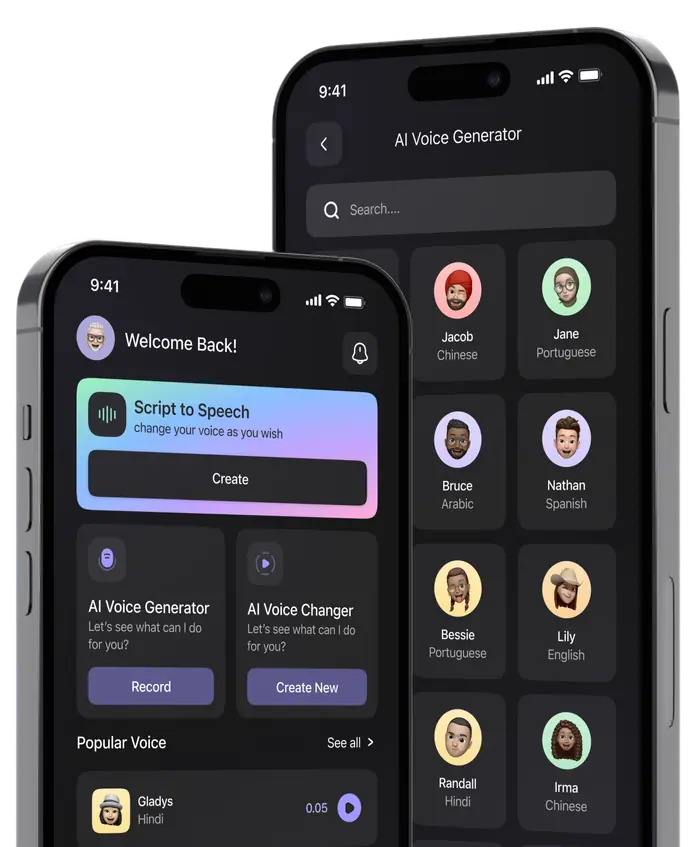
Mobile products are planned, designed, engineered and evolved around users, business requirements and technical constraints.
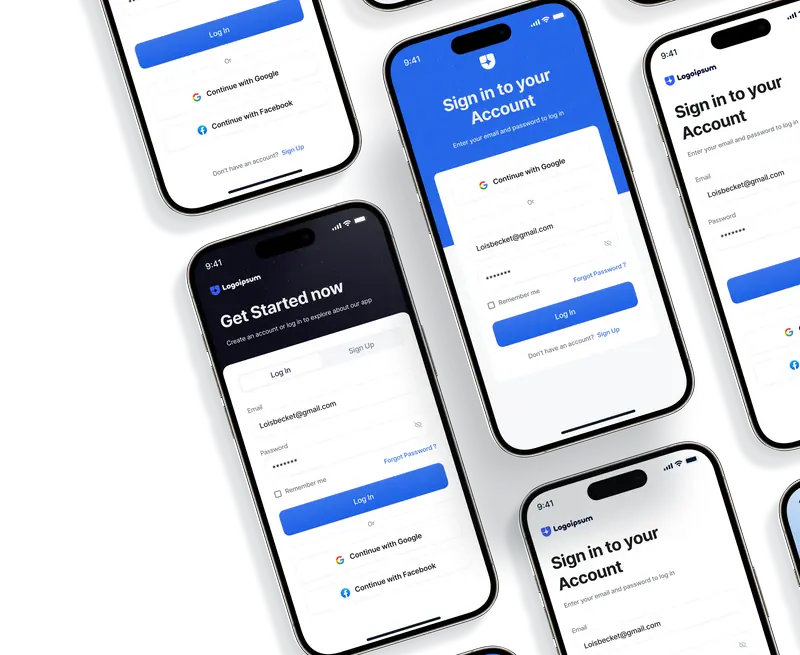
We build purpose-specific software platforms and systems around your business processes, integrations and operating requirements.
We create web applications and digital experiences in support of wider product and software requirements.
User journeys, interfaces and product experiences are defined ahead of engineering, or alongside it.

We add engineering capacity, with defined roles and responsibilities, inside an established delivery environment.
Our software approaches are organised around the operational or product problem your organisation needs to solve.
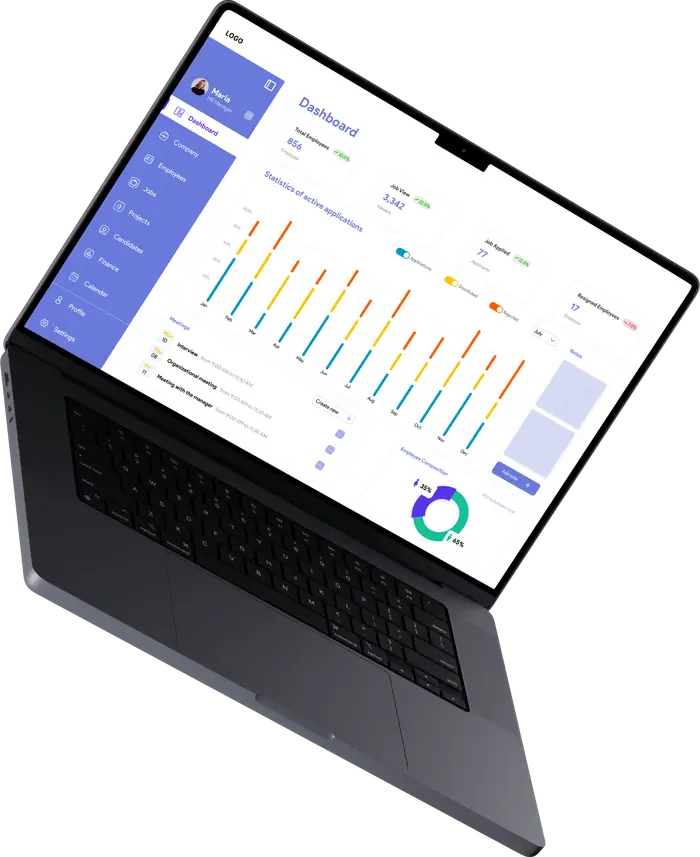
Our broader delivery history is useful context. We draw on it in planning product scope, dependencies, priorities and development trade-offs.
We run discovery business-first, so product requirements stay connected to the operational or customer problem the application is intended to address.
We consider user roles, integrations, workflows and future requirements while shaping the application's architecture and development approach.
During planning we consider access, data handling, performance expectations and other relevant operating requirements, according to the product and the agreed scope.
Major product choices are defined with commercial goals, user needs and engineering decisions considered together.
Discovery, design, engineering, validation, deployment planning and continued product evolution can be considered connected parts of the delivery relationship.
These answers cover when cross-platform is appropriate, how it compares with native, framework choice, migration, platform differences, AI, partner selection and modernisation.
If your question is not answered here, a mobile product specialist can address it directly in a consultation.
Cross-platform development can be appropriate when iOS and Android need broadly aligned functionality and user journeys, and a shared engineering approach fits your product roadmap. That isn't the end of the assessment. Platform-specific capabilities, performance needs and integrations should still be checked before you choose it.
Cross-platform development shares more of the implementation across iOS and Android. Native development relies on platform-specific engineering. Which is right for you depends on device functionality, user experience, performance expectations, integrations and long-term roadmap requirements.
Don't pick the framework first. Understand the product requirements, then weigh existing technical context, required integrations, platform-specific needs, interface complexity and long-term maintainability.
Potentially. Whether migration suits a product depends on its existing architecture, native functionality, integrations, condition and roadmap. Staged modernisation may serve some products better than a complete migration.
Not necessarily. Cross-platform development can share substantial application logic and interface implementation, but operating-system behaviour, device features and platform conventions may still need dedicated handling.
Yes, where the AI capability addresses a defined need and the necessary information, architecture, integrations, evaluation requirements and controls are available. Keep the AI implementation secondary to the product problem it's intended to solve.
Ask how the hybrid app development company evaluates cross-platform suitability, platform-specific requirements, integrations, architecture, product design and future maintenance. Its use of a particular framework is not, by itself, a reason to select it.
Sometimes. It depends on the application's architecture, framework version, dependencies, interfaces and technical constraints. In some cases targeted improvements are practical; in others, wider migration or redevelopment may be justified.
Send us your mobile product requirements, intended platforms and existing application environment. Tell us about integrations too, and any platform-specific functionality you already know you need. We'll review the product, its technical dependencies and its cross-platform suitability before we discuss an appropriate next step with you.