








iOS App Development
Each dedicated iOS application we build starts from defined user journeys. Apple platform requirements, device capabilities, integrations and the agreed product roadmap shape the rest.
Create an app that feels at home on the devices your customers use every day. WDI develops native mobile experiences around platform-specific capabilities, responsive interactions, and the demands of your product.








Our native mobile app development work covers planning, building, migrating and modernising dedicated iOS and Android applications. We take it on where native engineering supports the product experience you require. The services themselves fall into five areas: platform-specific development, migration, modernisation, interface engineering and quality assurance. Nothing is recommended on instinct. Our native app developers study device capabilities, operating-system requirements, integrations, performance expectations and the wider roadmap, and only then do we say whether a native approach gives your product the strongest fit.
Each dedicated iOS application we build starts from defined user journeys. Apple platform requirements, device capabilities, integrations and the agreed product roadmap shape the rest.
We develop Android applications around your defined product requirements, device functionality, integrations and user experience, with the intended operating environment in view.
An existing native application can reach a point where ageing architecture, interfaces, dependencies or maintainability limit further product development. That's when we modernise it.
We move suitable applications to a native approach. First, though, we review the existing architecture, functionality, integrations, platform requirements and migration dependencies.
Our interfaces and interactions are platform-specific. They follow your product requirements and the iOS or Android conventions that are relevant.
We validate agreed functionality, integrations, device behaviour and release requirements. This is done across every supported native mobile environment.
Dedicated iOS or Android engineering is often only part of what a native application depends on. There are wider product, design, AI, connected-device and deployment requirements too. Our related services support your mobile product on those.
We add AI capabilities where product needs, available information and operating requirements support them.
Sometimes native development isn't required on both platforms. Shared mobile engineering is then worth considering, and we'll consider it with you.
We connect native apps with supported devices or wearables for products that require it.
A focused mobile first release gets defined and built first. The wider roadmap expands afterwards.
Reusable interface patterns support consistency as mobile product experiences evolve. We create them.
We rework existing product experiences whose usability, structure or interfaces need broader improvement.
We address supporting environment and deployment requirements according to the approved product scope.
Native development can provide deeper platform-specific control. Even so, it isn't automatically the right choice for every mobile product, and we help you determine when dedicated iOS or Android engineering is justified.
Plan Your Native AppFive things are compared: device functionality, user experience, performance expectations, roadmap and maintenance requirements. Then we decide whether dedicated native apps or shared cross-platform engineering is the better fit.
We assess whether both platforms really need dedicated implementation. Product priorities, audience needs and release strategy may justify starting with one platform, or a different approach altogether.
We look at your target users, product requirements, device usage, business priorities and release dependencies. Whether iOS, Android or both should lead development follows from that.
Architecture, dependencies, interfaces and technical constraints get reviewed before any decision. The more appropriate path may be targeted modernisation, migration or wider redevelopment.
Not every platform or hardware capability improves the user experience. We identify the ones that genuinely do, before any native functionality is introduced that adds unnecessary implementation or maintenance complexity.
We define architecture, integrations, release processes and platform requirements with the roadmap in mind. What we avoid is unnecessary engineering for hypothetical future needs.
We plan and build your dedicated native product, whether for iOS, Android or multiple platforms. Defined users, journeys, functionality, integrations and release priorities are its foundation.
We introduce AI capabilities into an existing mobile app where practical integration is supported. That depends on the use case, the available information, the existing native architecture and the operating requirements.
We review ageing native applications. The aim is to determine which path forward is more appropriate: targeted improvement, migration or redevelopment.
Native mobile applications can be connected with your existing business systems. We do it wherever suitable APIs, permissions and integration routes are available.
Defined services, information and workflows sit at the centre of the native customer-facing experiences we create. They're supported by the required authentication, backend systems and integrations.
Repeatable mobile activities are digitised through native workflows. Those workflows capture information and connect with supporting systems where appropriate.
Relevant application information is brought into defined views, so users or operational teams can review agreed mobile data more consistently.
We plan enterprise native applications around users, workflows, integrations and foreseeable operating requirements. Scalability is never treated as an automatic outcome.
Some products require deeper platform integration, device functionality or dedicated user experiences, and native development can suit them. We can shape native mobile products around different industry contexts while keeping requirements specific to the intended application.
We clarify who the users are, the business goals, platform priorities, mobile journeys and the device capabilities required.
We clarify who the users are, the business goals, platform priorities, mobile journeys and the device capabilities required.
We determine whether dedicated iOS or Android engineering is justified. Meaningful platform-specific requirements are identified alongside.
We determine whether dedicated iOS or Android engineering is justified. Meaningful platform-specific requirements are identified alongside.
We shape journeys, interfaces and interactions around the product, and respect the relevant platform conventions.
We shape journeys, interfaces and interactions around the product, and respect the relevant platform conventions.
The native application structure is defined, together with backend services, APIs, integrations, data and supporting requirements.
The native application structure is defined, together with backend services, APIs, integrations, data and supporting requirements.
We develop the agreed platform functionality progressively, against the prioritised product scope.
We develop the agreed platform functionality progressively, against the prioritised product scope.
Before release, agreed functionality, device behaviour and integrations are tested across supported native environments.
Before release, agreed functionality, device behaviour and integrations are tested across supported native environments.
We review product needs, operating-system changes and roadmap priorities. Subsequent releases and modernisation are guided by that review.
We review product needs, operating-system changes and roadmap priorities. Subsequent releases and modernisation are guided by that review.
Native development brings platform-specific engineering together with backend, data and integration requirements. The technical approach should reflect four things: the product, device capabilities, operating-system expectations and the wider application architecture.
Platform, product and device requirements shape the dedicated iOS applications we build.
We build dedicated Android applications around platform, product and device requirements.
Native mobile products need supporting application logic and backend services. We build both.
Approved APIs, backend services and business systems are connected with your native application.
We structure mobile data and synchronisation around product workflows, connectivity and agreed information requirements.
We address deployment and environment requirements according to the approved mobile architecture and scope.
AI can support a native mobile experience where product needs, available information and technical feasibility justify using it. Specific advanced techniques should be selected only where current capability evidence supports the implementation.
Defined AI capabilities are added to native applications where the product need and technical approach are validated.
Selected experiences are adapted using relevant user information. Suitable data and evaluation criteria must exist.
We support defined information or workflow tasks through conversational interactions, with appropriate controls.
We use suitable historical information to support recommendations where meaningful evaluation is possible.
We use supported image or visual inputs only where validated capability and product requirements justify the implementation.
Voice interaction is used where supported capability and product requirements justify the experience.
We analyse suitable interaction information and identify patterns that may inform product decisions.
AI is applied to suitable workflows, with appropriate ownership, review and exception handling maintained.
A fraction of what we have shipped.
Share the goal, the users and the systems involved. We'll come back with a considered approach.
Verbatim excerpts from documented client feedback. Ratings are not shown until an underlying review source verifies them.
A native mobile product may involve broader AI, software, web, design or engineering requirements. These WDI capabilities give you a route to related services once the requirement extends beyond native development.
We evaluate AI capabilities for products, software and workflows. Implementation follows where AI supports a defined need.
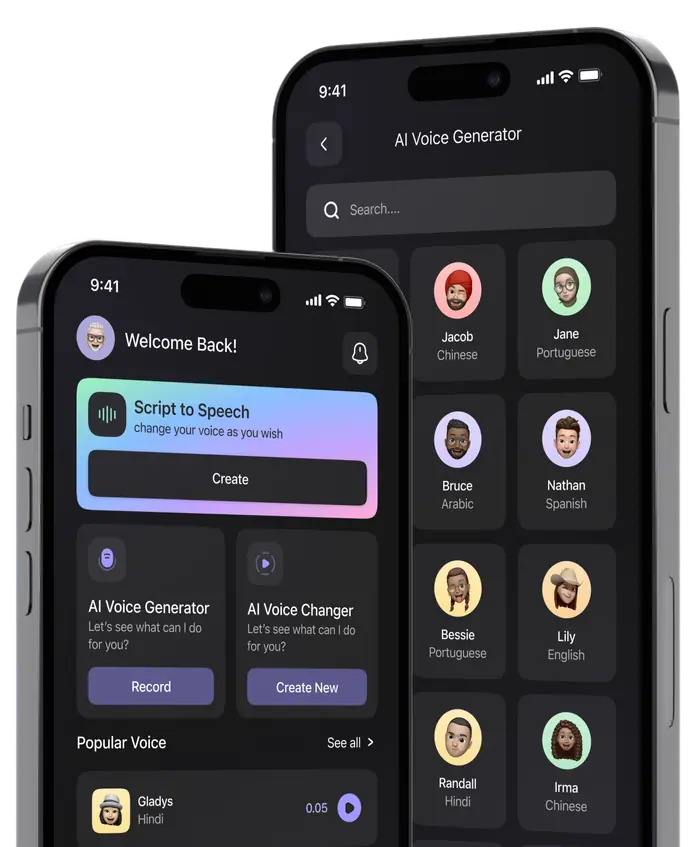
We plan, design, engineer and evolve mobile products around users, business requirements and technical constraints.
Purpose-specific software platforms and systems are built around business processes, integrations and operating requirements.
Our web applications and digital experiences support wider product and software requirements.
We define user journeys, interfaces and product experiences before engineering, or alongside it.

Engineering capacity is added within an established delivery environment, with roles and responsibilities defined.
We organise our software approaches around the operational or product problem your organisation needs to solve.
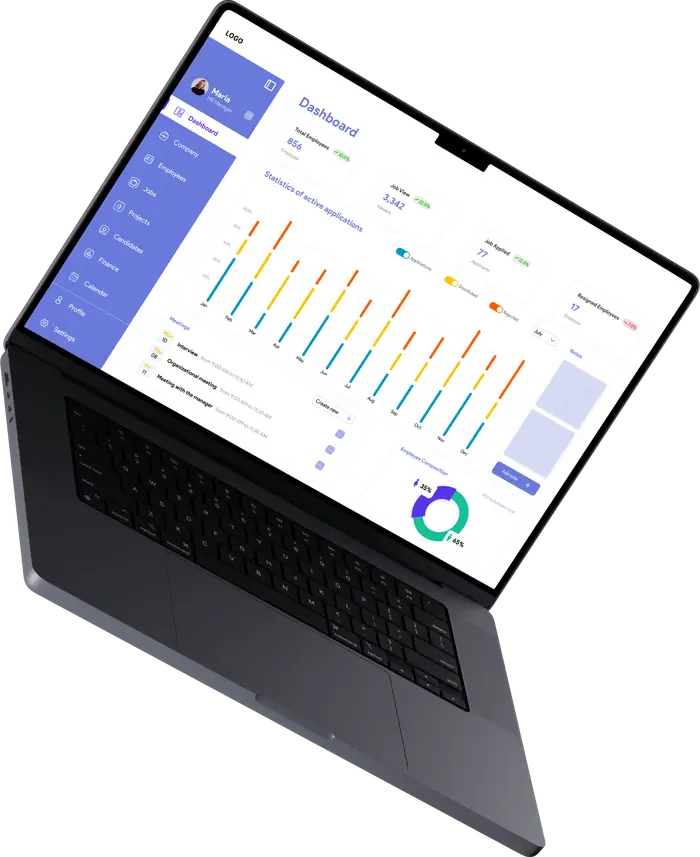
We have a broader delivery history to draw on. It provides useful context for planning product scope, dependencies, priorities and development trade-offs.
Our discovery is business-first. Product requirements are connected with the operational or customer problem the application is intended to address.
User roles, integrations, workflows and future requirements are all considered as we shape the application's architecture and development approach.
We consider access, data handling, performance expectations and other relevant operating requirements during planning. The product and agreed scope determine how.
Commercial goals, user needs and engineering decisions are considered together whenever a major product choice is defined.
Discovery, design, engineering, validation, deployment planning and continued product evolution can be considered as connected parts of the delivery relationship.
These answers cover when native is the right choice, how it compares with cross-platform, iOS and Android delivery, migration, integrations, AI, choosing native app developers and modernisation.
If your question is not answered here, a mobile product specialist can address it directly in a consultation.
It can be, when your product depends on platform-specific functionality, deeper device access or dedicated iOS or Android experiences. Technical requirements that justify separate implementation are another reason.
Platform-specific engineering for iOS or Android is what defines native development. Cross-platform development shares more of the implementation across platforms. The right choice depends on functionality, user experience, device needs, integrations and roadmap priorities.
WDI's authorised mobile capability includes both iOS and Android delivery. Developing both platforms together is a different decision, one that depends on product priorities, target users, functionality and release strategy.
Potentially. Suitability depends on the existing architecture, platform requirements, integrations and technical constraints, as well as your reasons for changing approach. Some products may benefit from targeted modernisation instead.
Yes, where suitable APIs, permissions and integration routes are available. Existing systems, application architecture, information requirements and the intended mobile workflows determine the appropriate integration approach.
Yes, where the AI capability addresses a defined need and the required information, technical feasibility, architecture, evaluation criteria and controls are available.
Product judgement and platform understanding come first. Look as well for backend and integration capability, design coordination and release planning. Good native app developers can also explain when native engineering is genuinely justified.
Sometimes. Architecture, dependencies, interface condition, platform changes and technical constraints determine the appropriate approach. Targeted improvements may be practical, while other applications may require wider redevelopment.
Share your product requirements with us, along with your intended platforms, device functionality, existing application environment and integrations. We'll review the product, the platform requirements and the technical dependencies. Then we can discuss whether native development is the appropriate next step.