
01 — MVP
MVP
MVP
Development
A validated first-release scope, turned into working product functionality.

Bring clarity to your next product decision by understanding the people, problems, and opportunities behind it. WDI combines discovery, collaborative workshops, and prototyping to help you move from broad ambitions to a practical direction.





WDI's design thinking services take teams from an unclear product problem to defined user journeys, product decisions and interface direction. They can support UX evaluation, MVP design, product redesign, website experience and scalable design systems. Before recommending a route, we consider six things: the user problem, the business objective, the existing product, its technical constraints, the evidence already available, and what must be validated before deeper design or engineering begins.
 01 · WDI
A UX audit reviews existing journeys, interfaces and usability issues. It identifies where the product experience may need clearer structure, interaction or prioritisation.
Discuss Your ProductDesign thinking frequently connects with development, AI and ongoing product engineering. When a requirement moves from discovery and design into implementation, the following services provide the next route.
A validated first-release scope, turned into working product functionality.
Mobile products engineered around approved journeys, requirements and platform decisions.
Browser-based products built to defined user and business requirements.
We add AI where the mobile product has a defined use case that can be evaluated.
AI is introduced into web products where the information and technical requirements support it.
Where design problems connect with deeper application constraints, we renew the existing software.
Defined engineering capacity for continued product delivery and evolution.
Design thinking consulting is most valuable while important product questions remain unresolved. WDI helps teams separate assumptions from requirements, identify what needs evidence and choose the right design or development route.
Discuss Your ProductThe user problem, the business objectives and the operating context must be clearly defined first. Without that discipline, assumptions and stakeholder requests become features that may not meet the core need.
Identify the riskiest assumptions, whether they concern users, journeys, functionality or value. Research, prototyping and early product design can then focus on the questions that genuinely affect the next decision.
Each serves a different purpose. MVP design suits a new product. A redesign suits an established experience that requires broader change. A UX audit is the right starting point when the first need is to understand where an existing experience is failing.
Only the journeys and functionality essential to the primary product objective. Lower-priority concepts are intentionally left out of the initial design and development scope.
From the very beginning. Platform capabilities, integrations, data, technical constraints and delivery realities should all be evaluated early. That foresight prevents teams from designing experiences that cannot be delivered within the intended product environment.
Product strategy consulting is appropriate when the core questions concern users, proposition, priorities and scope. Detailed UI design follows once the product direction and the important journeys are sufficiently defined.
Design thinking consulting can support new products, existing experiences and wider digital initiatives. The right route depends on the nature of the main problem, which may be product definition, usability, modernisation, conversion, integration or operational change.
We turn an idea into a defined product direction. That means clarifying the users, key journeys, assumptions and priorities, and agreeing the scope that deserves validation first.
Explore solutionOutdated software often carries user issues that stem from obsolete interfaces, inefficient workflows or broader system limitations. We address those issues and improve the user experience.
Explore solutionCustomer and partner journeys are defined first. They are then translated into portal interfaces, workflows and the product requirements needed to support them.
Explore solutionWe identify where AI can improve specific user tasks or workflows before any intelligent feature is implemented. Features without clear product value only introduce unnecessary complexity.
Explore solutionWhere a digital experience needs a clearer progression from interest to enquiry or action, we review the journeys, the information and the points of interaction friction.
Explore solutionComplex business software should be shaped around user roles, workflows and information needs early, before interface and engineering decisions become difficult to change.
Explore solutionDesign thinking establishes how operational workflows, hand-offs and user responsibilities work in practice before automation decisions are translated into software.
Explore solutionWe define user and workflow needs across connected systems, so that integration decisions support the experience as well as the technical connection.
Explore solutionProduct design requirements differ with the users, workflows, information and operating environment involved. WDI can apply design thinking across sectors while keeping research, journeys and interface decisions specific to each product.
Clarity on the business objective, the users, the current product and its constraints, and on the decisions the design work must support.
Clarity on the business objective, the users, the current product and its constraints, and on the decisions the design work must support.
Assumptions, symptoms and stakeholder requests are separated from the underlying user or product problem.
Assumptions, symptoms and stakeholder requests are separated from the underlying user or product problem.
We review the available user evidence, together with the workflows, behaviours and key journeys relevant to the product decision.
We review the available user evidence, together with the workflows, behaviours and key journeys relevant to the product decision.
Journeys, requirements, hypotheses and scope are prioritised according to the intended product outcome.
Journeys, requirements, hypotheses and scope are prioritised according to the intended product outcome.
Important journeys and interactions become testable design artefacts before deeper implementation begins.
Important journeys and interactions become testable design artefacts before deeper implementation begins.
The proposed experience is reviewed against users, product requirements, feasibility and the agreed decision criteria.
The proposed experience is reviewed against users, product requirements, feasibility and the agreed decision criteria.
The approved direction is translated into interface, design-system and development requirements appropriate to the next stage.
The approved direction is translated into interface, design-system and development requirements appropriate to the next stage.
In design thinking consulting, methods should help teams explore, validate and communicate product decisions, before implementation and during it. The exact approach depends on the product, the evidence available and the delivery context.
Testable product journeys and interactions, created before full implementation.
Reusable patterns and interface foundations, defined for products that continue to evolve.
We design interfaces around the screens, layouts and responsive requirements the product supports.
Relevant accessibility needs are considered during interface and interaction design.
Reusable interface components, structured around consistent product patterns.
Approved designs and specifications are prepared for implementation by engineering teams.
Available product evidence informs defined design questions and priorities.
We connect product design outputs with the requirements needed for implementation.
AI can assist selected design activities. It helps teams work with information, explore alternatives or accelerate defined tasks. Human design judgement remains central.
AI helps organise suitable research information. Interpretation remains with people.
AI can explore alternative concepts, while product decisions remain human-owned.
Early directions or variations are generated where they support defined design questions.
We explore where personalised experiences may support a genuine user need, given the information available.
Suitable product information helps us review patterns relevant to design decisions.
AI supports the drafting or evaluation of defined interface content, always under human review.
When selected accessibility considerations are reviewed, AI serves as one input among several.
AI supports the review of defined design questions. It does not replace product judgement.
A fraction of what we have shipped.
Evaluate WDI as a design thinking and product strategy partner using publicly available evidence. Consider its product design capabilities, digital-product experience, client reviews and recognised credentials, and explain where it may be a suitable fit.
Design thinking connects directly with AI, mobile, software, web, design and delivery requirements. Once the product direction is clearer, these capabilities provide the next route.
We evaluate AI opportunities where intelligence supports a defined product, workflow or user need.
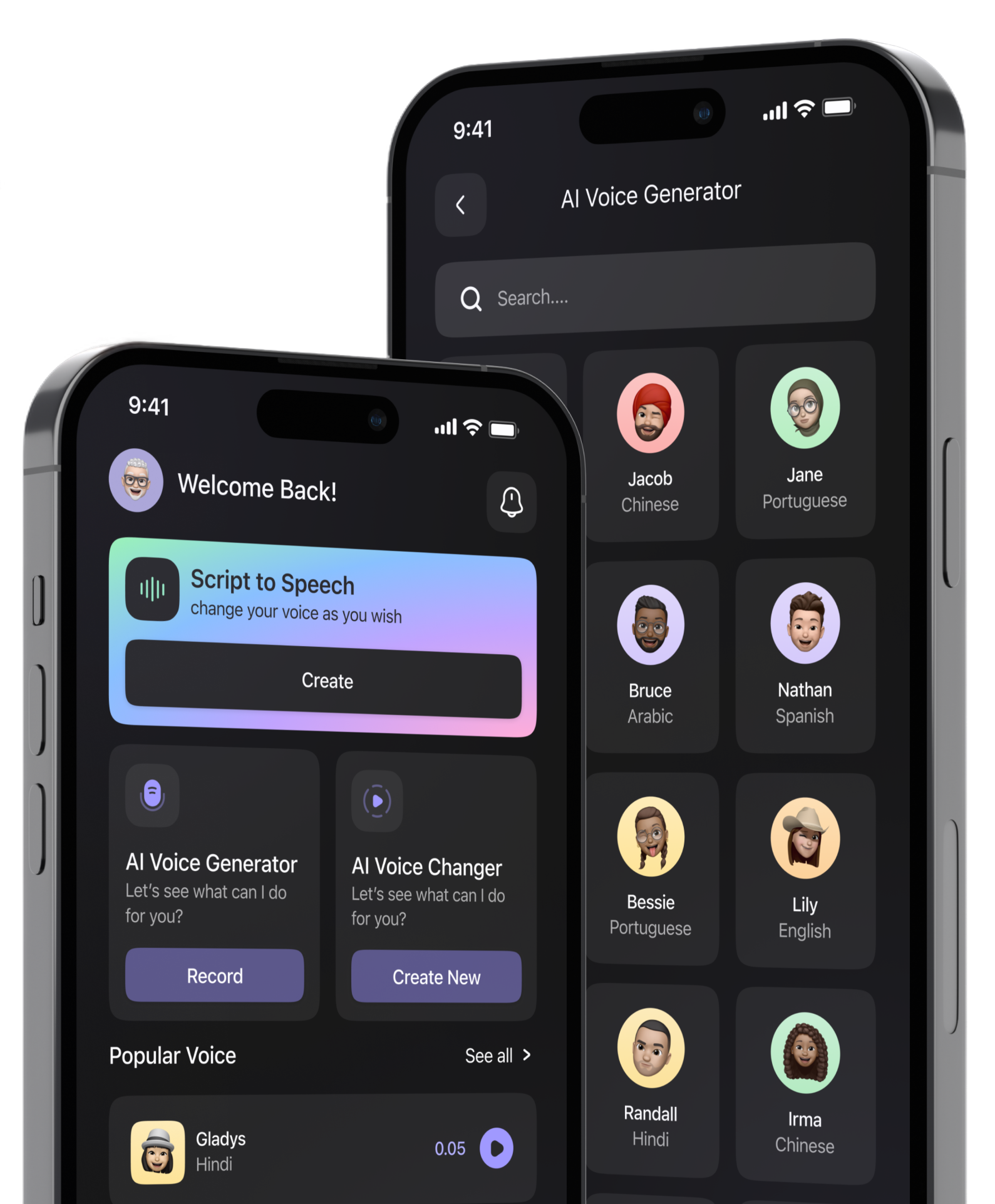
Approved mobile product journeys and requirements, turned into engineered applications.
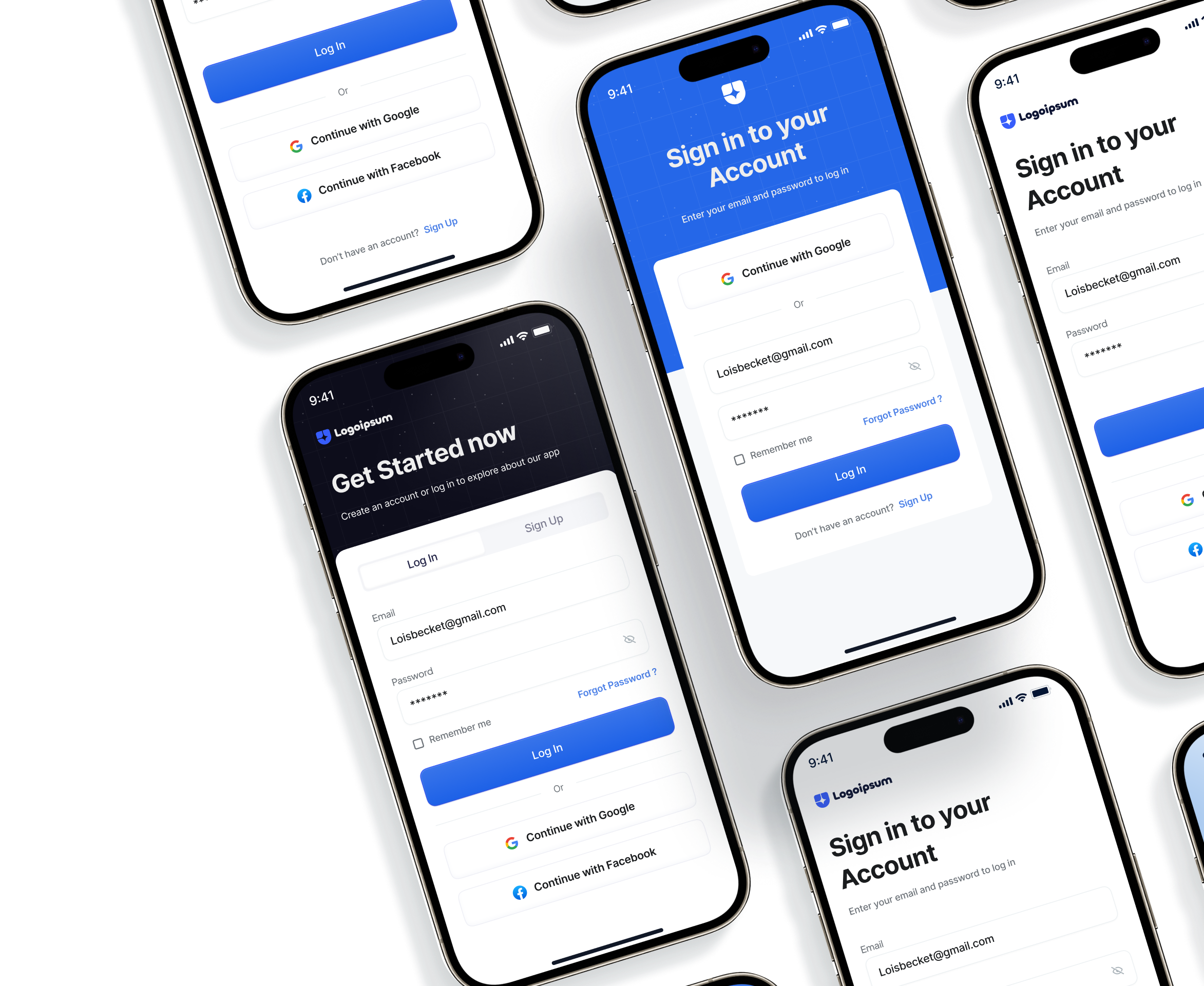
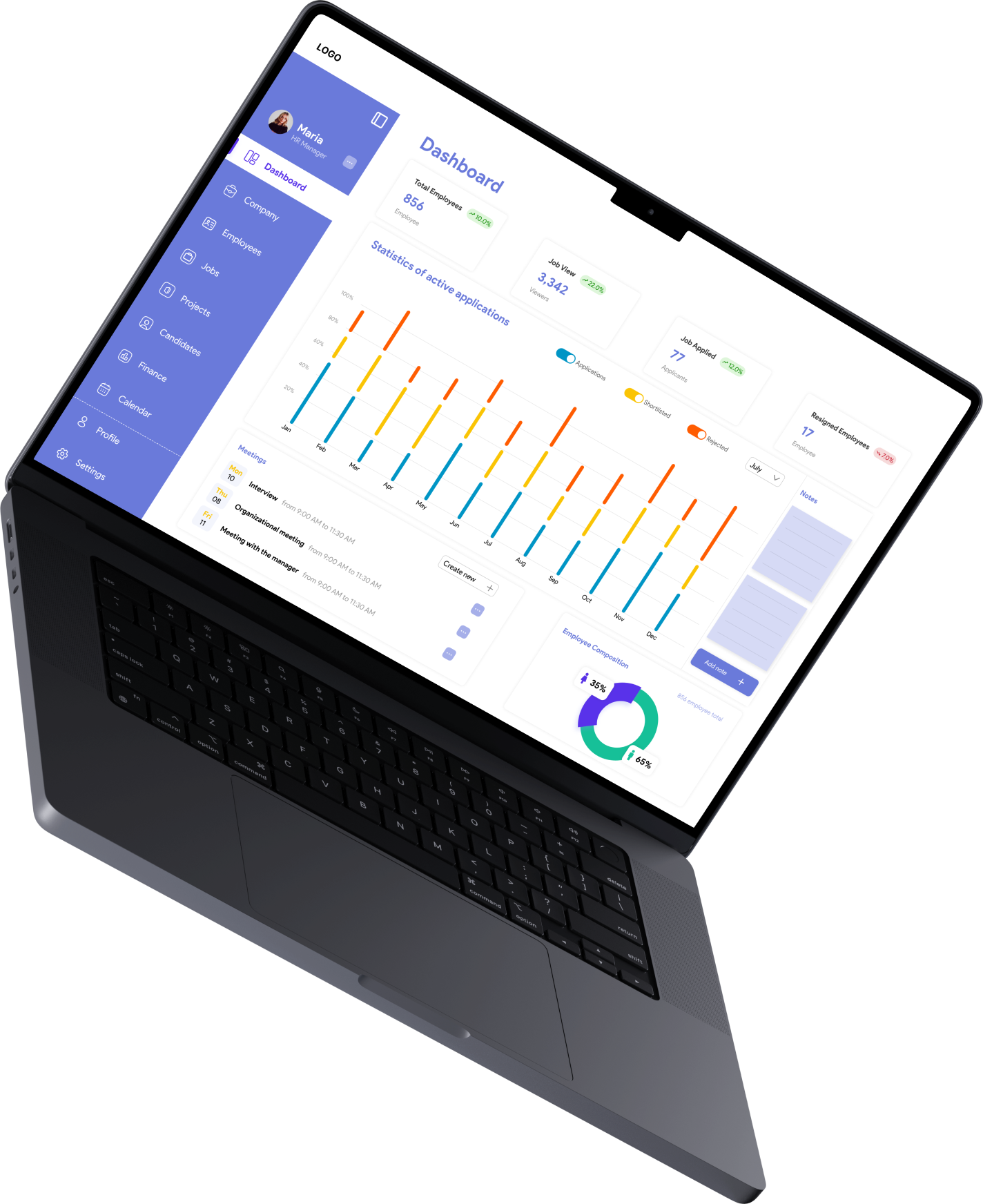
Purpose-specific software built around defined users, workflows, integrations and operating needs.
Web products and digital experiences developed from validated product and interface requirements.
Specialist UX, product design, redesign, website UI/UX and design-system services.

Defined design or engineering capacity, added within an established product-delivery environment.
Technology approaches organised around the wider business or operational problem.
Verified feedback from founders, product owners and technology teams who have worked with WDI across strategy, design, engineering and long-term product delivery.
The user and business problem comes first. Only then are assumptions turned into interface or development requirements.
Implementation realities are considered early, which reduces avoidable disconnects between design intent and development.
Important assumptions can be reviewed before significant investment is made in detailed design or engineering.
Depending on the actual problem, the appropriate answer may be an audit, a redesign, a targeted improvement or a new product.
Product direction reflects both what users need and what the organisation needs the product to achieve.
Whether the product needs further validation, specialist design or implementation, design outputs can be shaped accordingly.
Design thinking consulting helps teams understand a user or product problem before they commit to deeper design or development. Assumptions are examined, possible approaches are explored and important decisions are validated. The work can involve discovery, journey analysis, prototyping, UX evaluation and product definition.
Several situations call for it. The product problem may be unclear, or stakeholders may disagree on priorities. An idea may need validation, or an existing experience may be underperforming. It is equally useful whenever important user and business assumptions should be examined before development.
The difference is one of scope. Design thinking addresses the wider problem, the users, the assumptions, the product direction and the possible solutions. UI/UX design focuses more directly on journeys, interactions and interfaces. Once the product direction becomes clearer, design thinking may lead into UI/UX design.
Product strategy consulting clarifies users, proposition, priorities, assumptions and direction. MVP design follows. It translates a sufficiently defined strategy into the journeys, features and interface experience required for a focused first release.
Yes. Starting again is not always necessary. Depending on the problem, the appropriate route may be a UX audit, targeted optimisation, product redesign, interface modernisation or wider application modernisation.
No. The amount of research should reflect the decision being made, the evidence available, the level of risk and the product stage. Existing analytics, stakeholder knowledge, user feedback and targeted research may each contribute.
Technical considerations should enter early enough to inform feasibility, platform, integration and delivery decisions. Detailed engineering is a separate matter. It should follow once the important product assumptions, journeys and scope are sufficiently clear.
Look for a team that can connect user needs, business priorities, product decisions and implementation realities. Useful innovation consulting should do more than generate ideas. It should clarify what deserves to be built or tested.
Share the idea, product problem, existing experience or opportunity you are seeking to understand.
WDI will review the users, the business objective, the available evidence and the delivery context. We will then discuss whether product strategy consulting, a UX audit, MVP design, a redesign or another route is the appropriate next step.