

Which conversion actionmatters?
A defined action creates a clearer objective than trying to improve conversion generally.

Keep leads moving from first enquiry to the right conversation with timely follow-ups and clear ownership. WDI connects your sales tools and automates lead routing, reminders, and stage updates to help your team act on opportunities.
Improving lead management means making it easier to capture appropriate prospect information, move it through defined business workflows and support the next relevant action.
The solution may need to support lead capture, enquiry management, customer journeys, lead information, follow-up workflows, sales handoffs, reporting and visibility, and connected business systems.
The objective is to reduce friction between customer interest and business follow-up. Lead management software can help connect customer journeys, systems and internal workflows to improve how leads are evaluated, managed and converted.
A lead-management solution becomes worth evaluating when prospective customers encounter unnecessary friction or teams struggle to manage enquiries consistently across the customer journey.
New software may not be the right answer when the primary problem is insufficient market demand, unclear positioning, poor traffic quality or another issue outside the digital journey and lead-management process.
The first decisions should concern the customer journey and business process before individual software features are selected.
A defined action creates a clearer objective than trying to improve conversion generally.
Different customer groups may need different journeys, information and interaction patterns.
Understanding the point of difficulty helps determine whether the issue is experience, process or technology.
Capturing unnecessary information can create friction while missing information can weaken follow-up.
Clear ownership helps enquiries move through the appropriate sales or service workflow.
CRM, product, marketing or internal systems may participate in the same lead journey.
How will improvement be evaluated? Evaluation should reflect the defined customer action and business workflow rather than assumptions about conversion.
A useful solution is not defined by the number of automation features it contains. It should make the intended customer action and subsequent business process clearer and more manageable.
Share your current lead journey, systems and points of friction.
Discuss Your Lead Management NeedsCreate appropriate enquiry and conversion journeys around the information users and business teams actually need.
Adapt suitable customer and lead workflows around defined stages, responsibilities and business processes.
Identify digital friction and improve selected interactions around a defined customer action.
Build internal tools for organising, reviewing and progressing appropriate lead information.
Connect lead activity with suitable sales processes and systems where information needs to move between them.
Create controlled digital experiences supporting suitable prospect or customer interactions and next steps.
Present relevant lead, workflow and status information for appropriate business users.
Automate selected repeatable lead-management steps where rules, ownership and exceptions are sufficiently defined.
Lead-management software should be evaluated as part of the complete customer and business workflow rather than as an isolated conversion feature.
The customer action or lead-management problem the solution should address
Who enters the journey and what they are trying to accomplish
How prospective customers currently move from interest to the next action
What information is genuinely required at each relevant stage
Which CRM, marketing, product or internal systems may need to participate
Which team or person is responsible for each important next action
How the intended customer action and business workflow will be assessed
The measurable improvements expected in lead management and conversion
Exception handling. What happens when a lead does not fit the standard process. Operational ownership. Who will maintain workflows, rules and application changes after release.
WDI’s business-first approach starts with the customer journey, business process, users, existing systems and intended outcome before prescribing a technology solution. The assessment may point towards journey improvements, CRM changes, system integration, workflow automation, new software or a simpler process change instead.
Build or extend customer-management software around defined lead, sales and service workflows.
Develop digital experiences and applications supporting appropriate customer and business journeys.
Research and design user journeys around defined tasks, information requirements and conversion actions.
Connect suitable systems where lead information and workflow actions need to move between applications.
Automate selected repeatable lead-management activities around defined rules and exceptions.
Improve constrained applications where existing technology prevents required customer or workflow changes.
Support appropriate lead information, ownership, stages and actions through purpose-built software.
Create controlled digital experiences supporting recurring prospect or customer interactions.
Present relevant lead and workflow information for defined sales or management users.
Manage appropriate incoming enquiries across defined customer and internal workflows.
Extend suitable CRM environments where established workflows require additional application functionality.
Support sales teams with appropriate information and actions around defined lead-management tasks.
Create or improve digital journeys around a specific user action or enquiry objective.
Improve selected lead or customer journeys within established web, mobile or software products.
Support defined next actions and ownership after an appropriate enquiry is received.
The engineering considerations behind a lead journey: systems, interfaces, information and ownership, chosen around the customer action and the process that follows.
Connect suitable customer-management systems with defined digital and operational workflows.
01Develop application services and business logic supporting lead and customer processes.
02Build interfaces around defined customer and internal user journeys.
03Connect suitable applications where lead information or workflow actions need to move between systems.
04Define how appropriate lead information moves through relevant applications and business processes.
05Structure application behaviour around defined lead stages, actions, ownership and exceptions.
06Identify information and views needed to understand relevant lead and workflow activity.
07Define appropriate application access around relevant users, roles and responsibilities.
08Define what happens when a lead does not fit the standard process.
09Make appropriate enquiry journeys clearer and collect information relevant to the intended next step.
Reduce unnecessary friction around defined actions within digital experiences.
Give appropriate teams clearer information about lead status, ownership and workflow activity.
Connect relevant sales, marketing or service actions around defined lead-management processes.
Reduce unnecessary separation where lead information needs to move between suitable applications.
Support defined next actions and ownership after an appropriate enquiry is received.
Present relevant lead and workflow information for appropriate business review.
Create clearer digital interactions around the task a prospective customer is trying to complete.
Evaluation should reflect the defined customer action and the business workflow that follows it. Depending on the requirement, evaluation may consider journey completion, form or enquiry completion, workflow progression, lead routing, follow-up activity, user behaviour, workflow exceptions, system usage and operational feedback.
A higher volume of captured enquiries does not by itself establish that the solution is working well. Teams may also need to consider whether the journey produces appropriate information and whether internal workflows can act on it effectively. Planning should establish who owns the journey after release, which behaviours should be monitored, how workflow changes are requested and how future improvements will be evaluated.
These examples describe possible lead-management contexts rather than claims of specialist WDI conversion expertise in every sector.
A fraction of what we have shipped.
WDI is a digital product engineering and AI solutions company with authorised capabilities across custom software development, mobile and web engineering, product design, digital consulting and AI integration. Across its broader delivery work, WDI has built 200+ digital products and delivered 2,000+ projects. These figures describe WDI’s overall product and project experience and do not imply that every engagement involved lead management or conversion optimisation. Use this page when you need to determine where friction occurs across the customer-to-lead journey. Use CRM Software Development when CRM requirements are sufficiently defined and the primary need is specialist implementation. A conversion-experience change is relevant when the main problem occurs before the customer completes the intended action. A lead-management system becomes more relevant when internal teams struggle to organise information, assign ownership, manage follow-up or understand lead status. Related routes: Integrate Systems & Tools and Automate Business Operations.
Evaluate and implement AI capabilities where intelligent processing can add practical value to products, software or business workflows.
Plan and build mobile applications that connect users, workflows, data and supporting business systems.
Develop purpose-built software platforms, enterprise applications and operational systems aligned to business requirements and workflows.
Build web applications and digital platforms that support customer, employee or operational experiences.
Research, define and design user journeys, interfaces and product experiences for web, mobile and software platforms.

Extend internal engineering capacity with defined roles, responsibilities and delivery governance.
Address broader business objectives through software, AI, integration, automation, data and digital-product solutions.
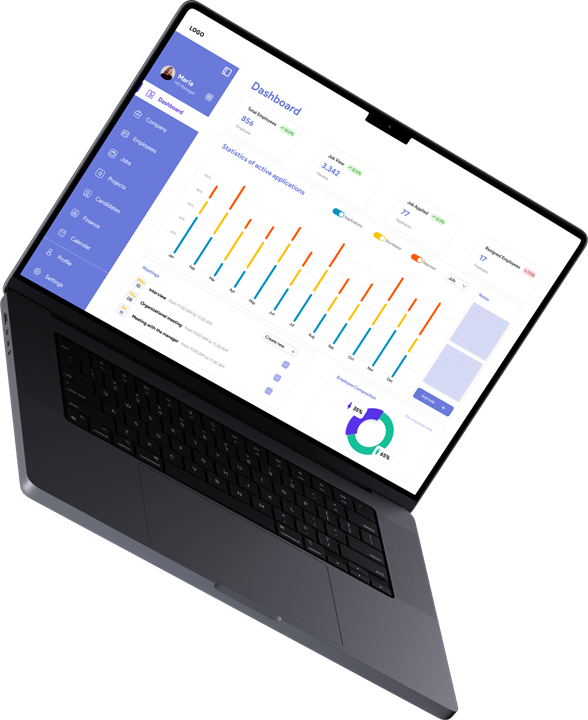
The initial conversation should establish the customer action that matters, where friction occurs and how enquiries currently move through the organisation after they are received.
Useful context may include the primary conversion or enquiry action, intended customer or prospect groups, the current digital journey, existing CRM and business systems, information captured during the journey, current lead ownership and follow-up process, known journey or workflow constraints and how the organisation would recognise a useful result.
WDI can review that context and discuss whether the likely next step involves journey assessment, product discovery, CRM changes, system integration, workflow planning or another approach.
Any formal discovery, design or development engagement is scoped and agreed separately.
Lead management software supports the capture, organisation and progression of appropriate lead information through defined business workflows, stages and ownership.
Software can address specific sources of digital or workflow friction, but it cannot guarantee higher conversion rates. Outcomes also depend on factors such as demand, proposition, traffic quality and business processes.
No. An existing CRM may remain suitable. The requirement could involve workflow changes, integration, additional software or improvements to the surrounding customer journey.
No. Automation is most appropriate for sufficiently defined, repeatable tasks. Some decisions, exceptions and customer interactions may still require human involvement.
Evaluation should follow the intended customer action and business process. Relevant measures may include journey completion, workflow progression, routing, follow-up activity and operational feedback.
Yes. WDI provides team augmentation and dedicated-team models. The appropriate arrangement depends on responsibilities, capability requirements, governance and delivery ownership.
The strongest lead-management solution is not the one that captures the most information or automates the most steps. It is the one that helps suitable prospects complete the intended action and gives teams a clear process for what happens next.
Share your current customer journey, lead workflow and existing systems. WDI can review the context and discuss an appropriate next direction.