Establish a Clear Business Presence
Organise company information, services and supporting evidence into a website that helps visitors understand the business and find the appropriate next action.

Build a website that makes your business easier to understand, trust, and engage with. WDI combines clear user journeys, purposeful design, and dependable development to support your next stage of growth.
A web product should have a clear role in the customer journey, business operation or wider product strategy.
Organise company information, services and supporting evidence into a website that helps visitors understand the business and find the appropriate next action.
Develop browser-based software around customer tasks, operational workflows, portals and the business logic required to support them.
Create software delivered through an ongoing product model, with account structures, administration and continued product development considered from the outset.
Connect product discovery, customer purchasing journeys and transactions with the administration and systems behind the commerce operation.
Give teams a suitable structure for managing and publishing information across websites and other defined digital experiences.
Renew an established web experience where frontend delivery, web architecture or migration requirements are the main reason for change.
Plan and develop business websites around brand communication, information architecture, content and visitor journeys.
WDI connects design and engineering with the practical requirements of the teams that will manage the website.
Best suited for: Organisations creating or improving an information-led corporate website.
Explore serviceBuild custom browser-based software around defined users, workflows and business rules.
The scope may include portals, customer applications, operational interfaces, administration, APIs and integrations.
Best suited for: Businesses that need interactive software functionality delivered through the web.
Explore serviceIntroduce AI into a web product where it supports a defined user task or workflow.
Implementation depends on the use case, available information, application architecture, evaluation criteria and appropriate human oversight.
Best suited for: Web applications with a meaningful requirement for AI-assisted interaction, information processing or recommendations.
Explore servicePlan and engineer software delivered through an ongoing SaaS model.
The product scope considers users, accounts, recurring workflows, administration, integrations and the roadmap beyond the first release.
Best suited for: Founders and product teams building or evolving an ongoing software product.
Explore serviceDevelop commerce experiences around customer discovery, product evaluation, transactions and supporting operations.
The implementation follows the commerce model, catalogue, participant roles and integration requirements.
Best suited for: Businesses building or improving a commerce-led digital experience.
Explore serviceSeparate content management from frontend presentation where the product benefits from structured content and API-based delivery.
The architecture should reflect publishing workflows, content relationships, intended channels and ongoing ownership.
Best suited for: Organisations managing reusable content across one or more digital experiences.
Explore serviceModernise an existing website, web application or web estate where technical renewal is the primary requirement.
The work may involve frontend redevelopment, web architecture changes, integration renewal or phased migration.
Best suited for: Teams improving an established web product while accounting for its existing users, workflows and systems.
Explore serviceStart with the main job the web experience needs to perform.
A custom web application is organised around the workflow it supports. A SaaS product also needs an ongoing product and operating model. Modern Web Development starts with an existing web product and the technical changes needed to renew it.
Some projects involve more than one capability. WDI uses the primary requirement to establish the main delivery route, then includes supporting work within the agreed scope.
Before recommending an approach, WDI reviews the product’s purpose and the environment it needs to operate within.
What the website or application needs to support
Who will use it and which journeys matter
Website, application, SaaS, commerce or modernisation
What users and teams need to access or complete
Current applications, data sources and dependencies
Internal or external services to connect
How present and future requirements affect implementation
What must be tested and accepted before launch
Who manages the product and how it evolves
How future needs influence current decisions
WDI’s business-first approach puts these decisions before technology selection. The aim is to define an appropriate web product and delivery scope, rather than begin with a preferred platform and work backwards.
Clarify business objectives, user roles, existing workflows, operational challenges, connected systems and technical constraints.
Clarify business objectives, user roles, existing workflows, operational challenges, connected systems and technical constraints.
Map application workflows, user permissions, business rules, essential features and first-release priorities around the agreed requirements.
Map application workflows, user permissions, business rules, essential features and first-release priorities around the agreed requirements.
Design application screens, dashboards, forms, navigation and interaction states around the tasks users need to complete.
Design application screens, dashboards, forms, navigation and interaction states around the tasks users need to complete.
Define frontend and backend responsibilities, database structures, APIs, authentication, security requirements and external system integrations.
Define frontend and backend responsibilities, database structures, APIs, authentication, security requirements and external system integrations.
Build frontend interfaces and backend functionality, implement business logic, connect databases and integrate the required services and systems.
Build frontend interfaces and backend functionality, implement business logic, connect databases and integrate the required services and systems.
Validate application workflows, user permissions, data handling, security, responsive behaviour and integrations against agreed acceptance criteria before deployment.
Validate application workflows, user permissions, data handling, security, responsive behaviour and integrations against agreed acceptance criteria before deployment.
Where ongoing support is included, monitor application performance, resolve agreed issues and plan enhancements as business workflows and user needs evolve.
Where ongoing support is included, monitor application performance, resolve agreed issues and plan enhancements as business workflows and user needs evolve.
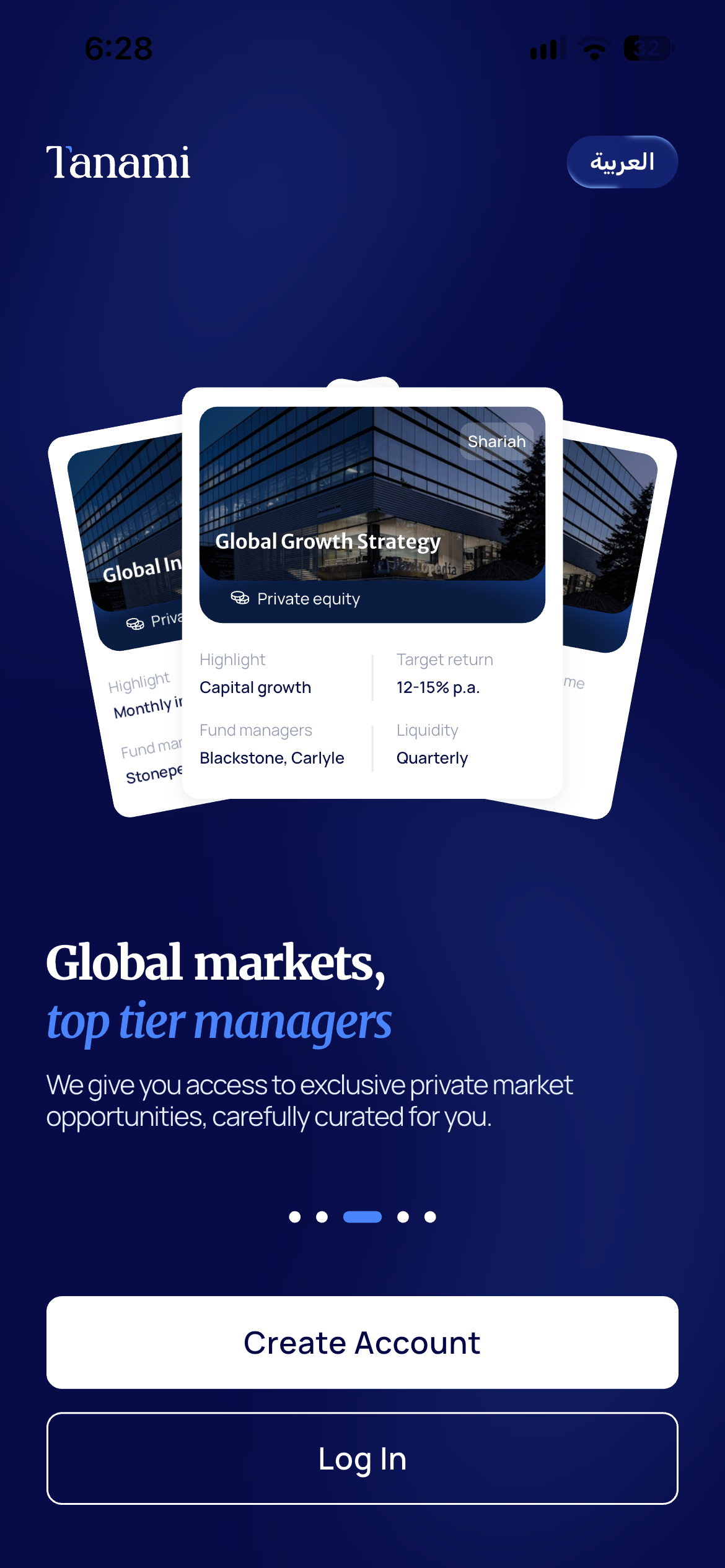
A fraction of what we have shipped.
A website or application needs ongoing decisions about content, functionality, integrations and ownership.
WDI considers known roadmap requirements during planning while keeping the first release focused on its agreed purpose.
Connects the product to a defined user and organisational need
Keeps the web experience connected to the wider digital journey
Clarifies priorities, dependencies and acceptance criteria
Considers interfaces, backends and APIs together
Establishes what must work before launch
Supports documentation, handover and subsequent development
Across its broader work, WDI has delivered 2,000+ projects and built 200+ digital products. These are company-wide figures, not web-development-only totals.
Look for a team that can identify the web product you need before recommending how it should be built.
When evaluating a website development company, ask how it will establish the user journeys, content requirements, software responsibilities and integration dependencies. The proposal should explain what belongs in the first release, how acceptance will be assessed and who will manage the product afterwards.
Discuss Your Web Development ProjectStart with what users need to accomplish. An information-led website helps visitors understand the organisation, explore its offering and enquire. A web application supports interactive tasks, business logic or operational workflows. The main user requirement determines the primary route, even when the experience includes elements of both.
Choose the SaaS route when the software itself is an ongoing product. Account structures, administration, repeated product use, product operations and continued roadmap development should be central to the requirement. Explore SaaS Application Development.
This route is appropriate when AI plays a meaningful role in a browser-based product experience. The feature needs defined information sources, application integration, evaluation criteria and appropriate human oversight. Explore AI Web Application Development.
WDI provides web engineering and custom software development, including backends and APIs. The exact frontend, backend and integration responsibilities are established from the individual product requirements.
Existing systems may remain part of the solution where suitable APIs, access and supporting architecture are available. Discovery identifies the required information flows, dependencies and any changes needed before integration.
The timeline depends on the product type, scope, content readiness, design requirements, integrations and release process. A useful estimate follows discovery and scope definition rather than relying only on the number of pages or screens.
Share your business objective, intended users, current website or system, important workflows and any known integrations or technical constraints.
WDI will review the requirement, identify the appropriate web-development route and clarify the next practical step. Depending on the starting point, this may involve discovery, product scoping, technical assessment, experience design or implementation planning.