
01 — MVP
MVP App
Explore service
MVP App
Development
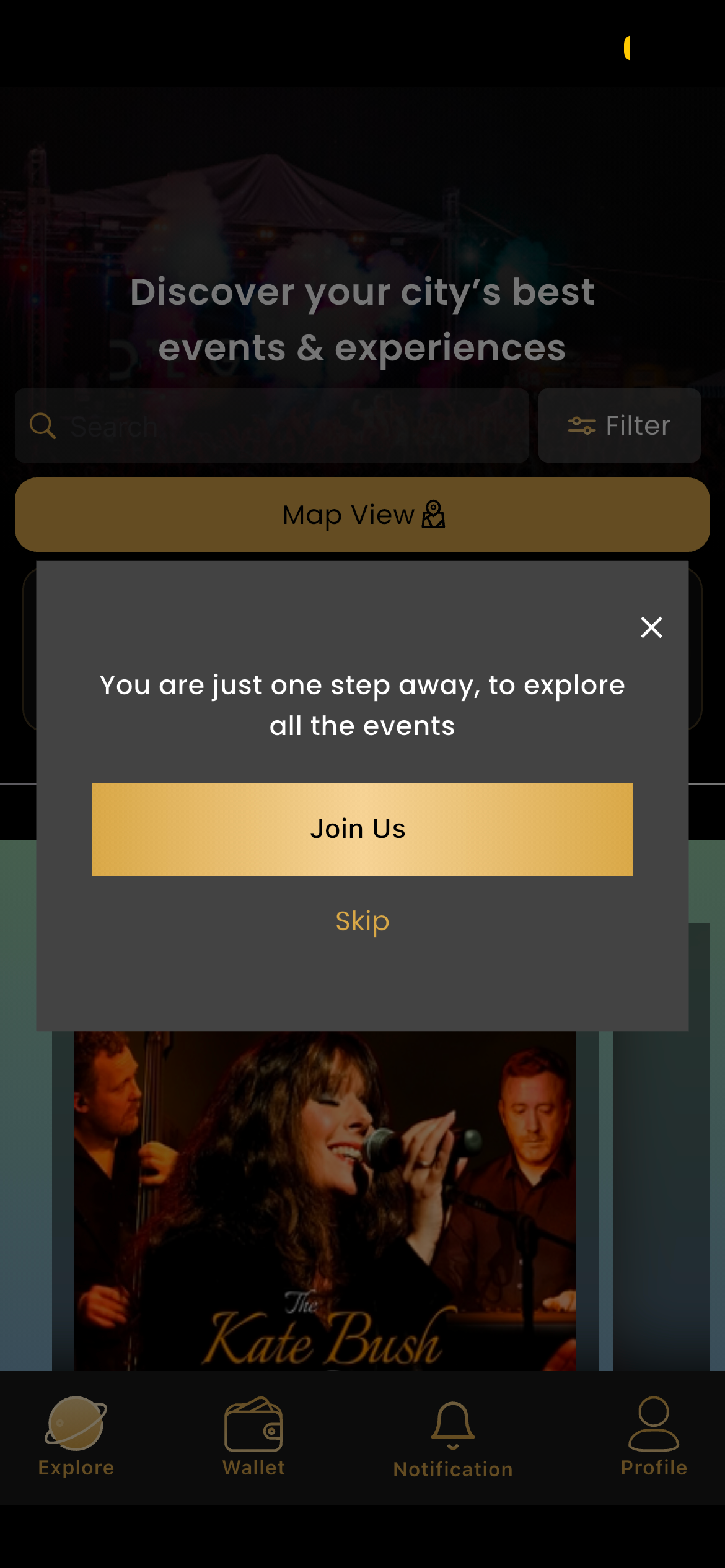
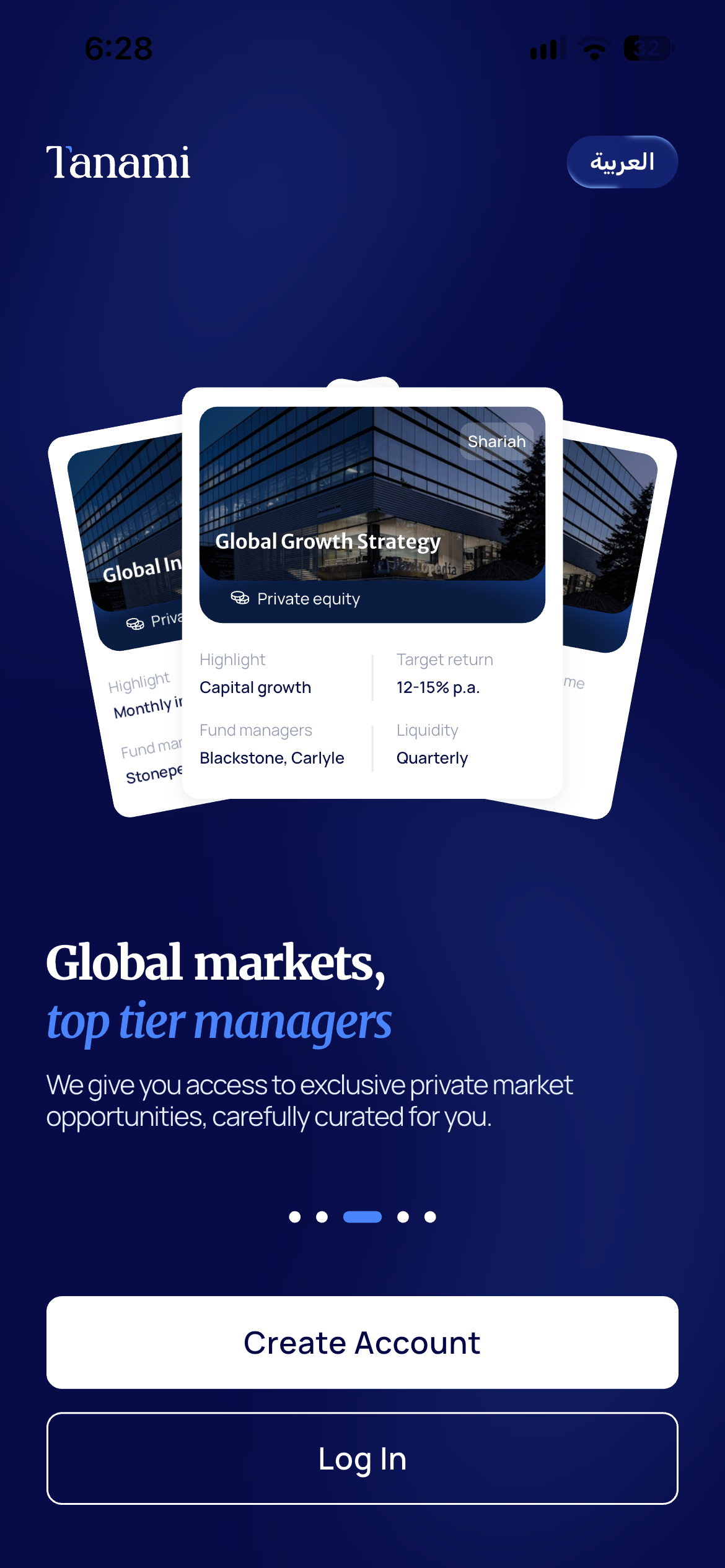
A mobile-led first release is engineered once product direction and scope are sufficiently defined.

Define who your product serves, which problems it should solve, and what belongs in the first release. WDI helps you align stakeholders, examine assumptions, and establish clear requirements before development begins.





WDI's MVP & Product Design work helps teams move from an early product idea to a defined, testable experience before development. Our product discovery services can cover research, strategy, journeys, wireframes, prototypes, MVP UX/UI and validation. Before detailed design begins, WDI clarifies the problem, the users, the assumptions, the business priorities and the technical constraints. We also establish what evidence is still needed to make the next product decision with greater confidence.
 01 · WDI
The product problem, users, assumptions, business goals and constraints are clarified before detailed design or development begins.
Discuss Your ProductProduct discovery may lead into mobile, web, SaaS or continued product engineering. That happens once the experience and the first-release scope are sufficiently defined.
A mobile-led first release is engineered once product direction and scope are sufficiently defined.
Shared mobile experiences, built where the agreed product requirements support that approach.
A browser-led product moves from defined design into implementation.
We engineer SaaS products where the product and delivery model are already defined.
AI is added where the mobile product has a defined use case that can be evaluated.
Reusable interface foundations, created as the product experience expands.
Defined engineering capacity for continued product delivery after design.
Product discovery is most useful while important assumptions are still unresolved. WDI helps teams clarify what deserves to exist in the first release and what should remain uncommitted.
Discuss Your ProductThe user problem, the business objective and the operating context should be clarified first. Otherwise, features or interface ideas become the product definition.
Identify the primary users and the situations that matter. Journeys and priorities can then be shaped around actual product needs instead of a broad audience.
The journeys and capabilities needed to support the first meaningful product objective. Lower-value or untested ideas stay outside the initial scope.
Design Thinking applies when the broader problem, opportunity or innovation direction is still being framed. MVP & Product Design applies when the goal is to shape a specific product or first release through discovery, journeys, wireframes, prototypes and validation.
Prototype when important experience or product assumptions still need validation. Move into engineering when scope, journeys and key dependencies are sufficiently clear.
Choose MVP & Product Design when discovery, journeys, UX and prototyping are the primary need. Choose MVP App Development when the main objective is engineering a defined mobile-led first release.
Product discovery can support new digital products, portals, AI-enabled experiences and broader software ideas. The right route depends on what the first release needs to prove and what should follow afterwards.
This is the broader outcome route. It applies when the requirement may span discovery, design, engineering and launch, and goes beyond a specific product-discovery engagement alone.
Explore solutionWe evaluate whether AI supports a genuine user or workflow need before it is designed into the product experience.
Explore solutionCustomer or partner journeys, roles and information needs are defined before portal engineering begins.
Explore solutionRole-based product requirements and workflows are shaped before complex software architecture and implementation decisions are fixed.
Explore solutionWe identify how connected systems affect users and workflows before integration requirements become part of the product scope.
Explore solutionUsers, tasks and hand-offs need to be understood before operational processes are translated into a digital product or workflow.
Explore solutionWe define who needs which information and decisions before reporting or dashboard experiences are designed.
Explore solutionEnquiry and lead-related journeys are shaped where they form part of the intended product experience.
Explore solutionProduct discovery changes with users, workflows, information and operating context. WDI can shape early product decisions across industries while keeping journeys and assumptions specific to the intended product.
Clarity on the business objective, the users, the problem, the assumptions, the existing evidence and the important constraints.
Clarity on the business objective, the users, the problem, the assumptions, the existing evidence and the important constraints.
We define the primary problem, the intended users, the key hypotheses and the decisions the discovery work must support.
We define the primary problem, the intended users, the key hypotheses and the decisions the discovery work must support.
Available evidence is reviewed, and the important user needs, tasks and journeys relevant to the product are mapped.
Available evidence is reviewed, and the important user needs, tasks and journeys relevant to the product are mapped.
The journeys, functionality and assumptions that belong in the focused first release are prioritised.
The journeys, functionality and assumptions that belong in the focused first release are prioritised.
Important flows become wireframes or interactive prototypes that can be reviewed before engineering.
Important flows become wireframes or interactive prototypes that can be reviewed before engineering.
We review key assumptions, product flows and feasibility using suitable evidence and stakeholder or user input.
We review key assumptions, product flows and feasibility using suitable evidence and stakeholder or user input.
The approved direction is translated into clearer design, scope and development requirements for the next stage.
The approved direction is translated into clearer design, scope and development requirements for the next stage.
Product discovery uses design methods to clarify assumptions, explore journeys and prepare decisions before development. The exact mix should reflect the product question and the evidence available.
Testable flows and interactions, created before full product implementation.
Important user tasks, decisions and transitions are structured across the intended product experience.
Screen structure, information hierarchy and flow are defined before detailed interface design.
First-release requirements are separated from lower-priority ideas using the product objective and available evidence.
We design key experiences around the supported screen contexts relevant to the product.
Approved product-design outputs are prepared for the engineering stage.
Available product evidence informs specific discovery and prioritisation questions.
We connect discovery and design outputs with implementation requirements for the next delivery stage.
AI can assist selected discovery and design activities where it helps teams organise information or explore possibilities. Human product judgement remains central to prioritisation and validation.
AI helps organise suitable research or product information for human interpretation.
Alternative product directions are explored, while prioritisation and product decisions remain human-owned.
AI helps generate early concepts that can be evaluated against defined product questions.
Journey observations and evidence are organised for further product analysis.
AI organises product assumptions and the questions that require further evidence.
AI supports the drafting or review of selected interface content, under human judgement.
AI supports the review of defined product-design questions. It does not replace design judgement.
Suitable feedback or testing evidence is organised to inform human product decisions.
A fraction of what we have shipped.
Product discovery can lead into wider design, engineering, AI or product-development requirements. That point arrives once the product direction and important assumptions become clearer.
We evaluate AI opportunities where intelligence supports a defined product, workflow or user need.
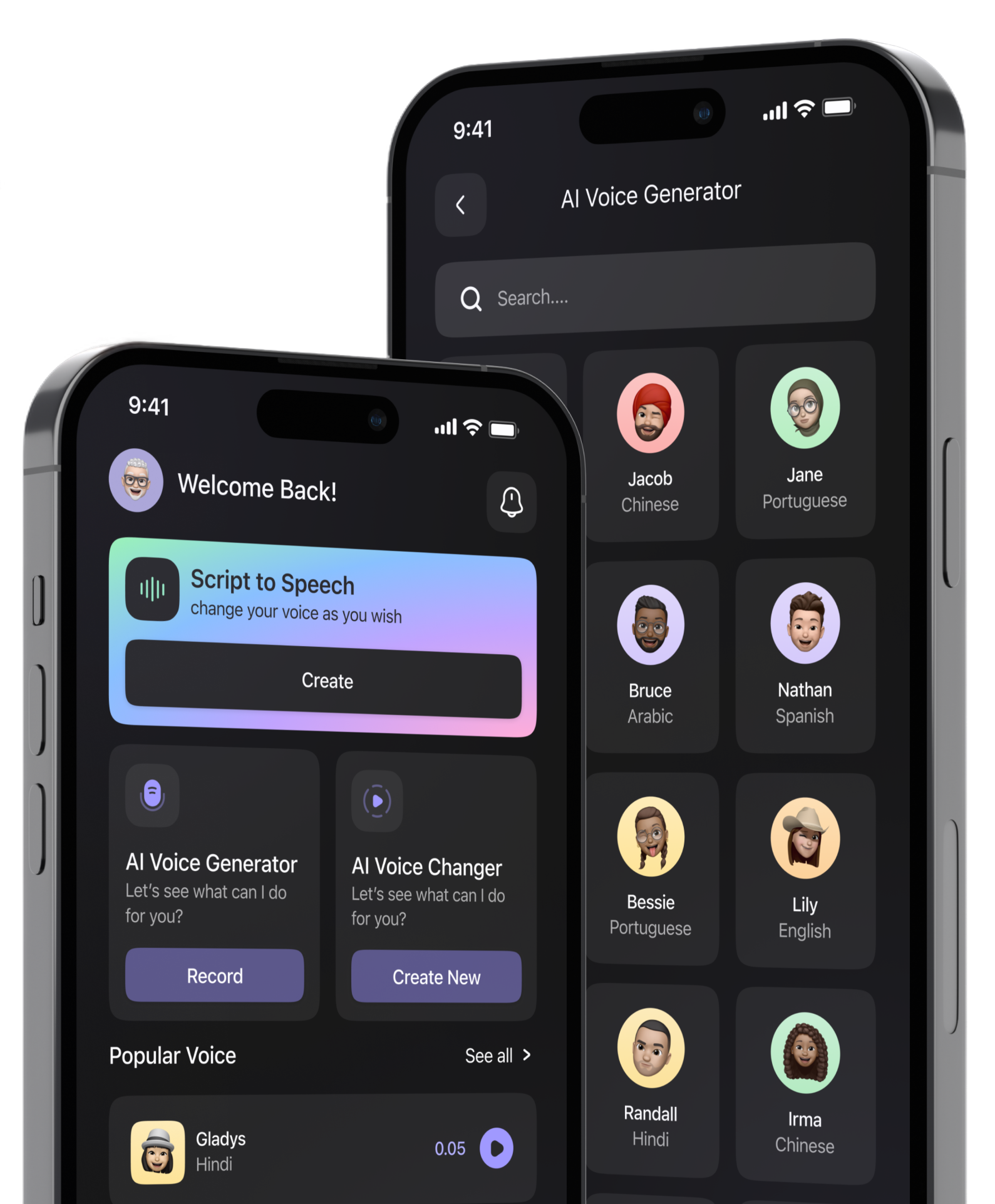
Defined mobile-product requirements move into engineering and continued product development.
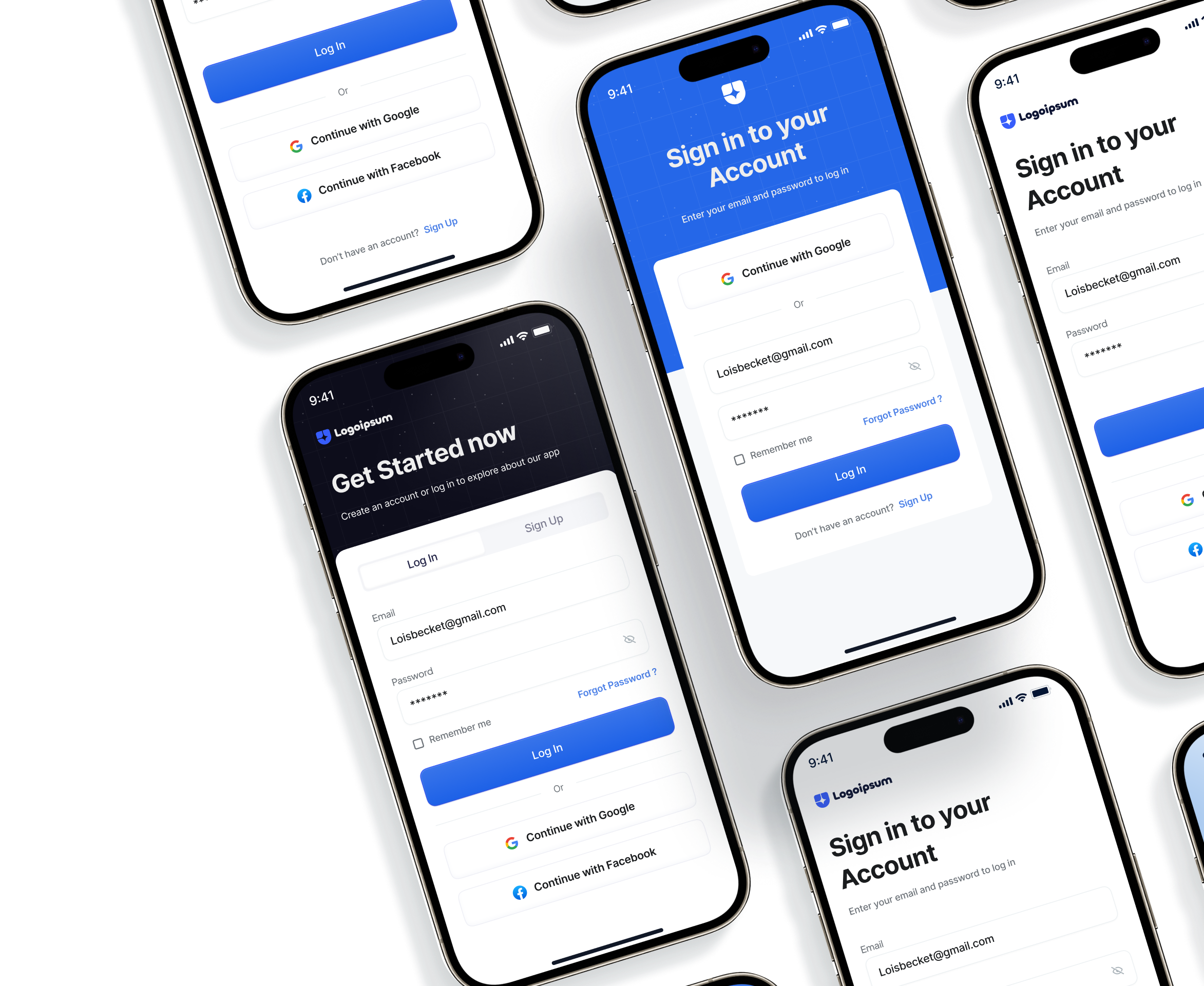
Custom software built around defined users, workflows, integrations and operating requirements.
Browser-based products are implemented from sufficiently defined product and design requirements.
Specialist UX, redesign, website UI/UX and design-system work.

Defined design or engineering capacity, added within an established delivery environment.
Broader technology approaches, for cases where the product need reflects a wider operational problem.
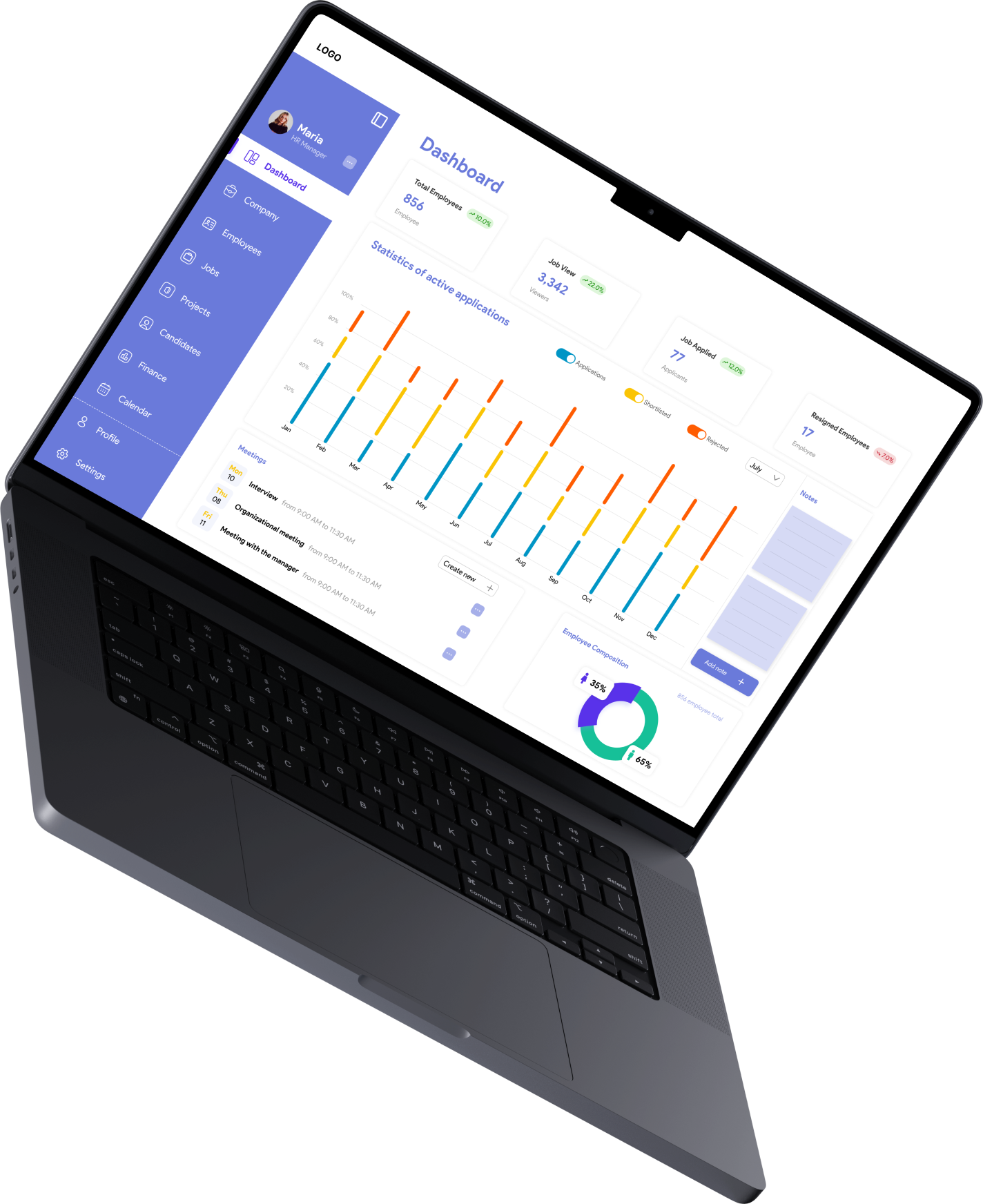
Verified feedback from founders, product owners and technology teams who have worked with WDI across strategy, design, engineering and long-term product delivery.
WDI focuses on users, business needs and assumptions before features become commitments.
First-release priorities can be connected to the product objective. They are not defined by the longest available feature list.
Important assumptions can be reviewed through suitable evidence and prototypes before teams invest more deeply in implementation.
Platform, data, integration and delivery constraints can inform design without dominating the product direction.
Product outputs can be prepared with the requirements needed for a practical transition into development.
Discovery can end with a clear recommendation: validate further, design deeper, build, or reconsider the proposed product direction.
Product discovery services help teams clarify the product problem, users, assumptions, journeys, priorities and evidence needed before deeper design or engineering. The output should do more than produce feature ideas. It should help answer what deserves to be built, tested or deferred.
Product discovery is useful in four situations: a new idea is still loosely defined, assumptions remain untested, stakeholders disagree about priorities, or a team needs greater clarity before committing to design and engineering.
Design Thinking is the broader of the two. It is useful when the underlying problem, opportunity or innovation direction is still being framed. Product Discovery focuses on shaping a specific product or first release through users, journeys, priorities, prototypes and evidence before engineering.
Product discovery focuses on defining the problem, the users, the product direction, the journeys and the first-release scope. MVP development focuses on engineering an agreed first release. Discovery may lead into development once important decisions are sufficiently clear.
MVP & Product Design is appropriate when product definition, UX, journeys, prototyping and validation are the primary need. MVP App Development is appropriate when the main requirement is engineering a defined mobile or mobile-led first release.
Not always. A prototype is most useful when important journeys, interactions or assumptions still need review before implementation. A sufficiently established product may be ready to move directly into detailed design and engineering.
Start with the primary user problem, the essential journeys and the assumptions the first release needs to address. Lower-priority features should remain outside the initial MVP scope unless they are necessary for the product to function coherently.
After MVP and product design, the next step may be further validation, detailed interface work or engineering. The appropriate route depends on how well the product assumptions, journeys, scope and technical dependencies have been resolved.
Share the product idea, the problem, the target users, the existing evidence and the assumptions you are working with.
WDI will review the product context and help determine whether the next step should be broader Design Thinking, product discovery, prototyping, deeper design, further validation or engineering.