








Custom PWA Development
Defined user journeys are where a custom PWA begins. We build around them, and around responsive experiences, browser capabilities, integrations and your wider product requirements.
Give customers a fast, engaging web experience they can access through a link and install on supported devices. WDI builds progressive web apps with capabilities such as offline access and push notifications where supported, shaped around how your users connect and interact.







WDI is a PWA development company, and our work with product teams covers the planning, building, migration and modernisation of progressive web applications. We do it where responsive browser delivery supports the user experience that's required. You'll find our PWA development services cover custom builds, modernisation, offline-capable experiences, migration and testing. We hold back on recommending a PWA approach until we've looked properly at the product: target users, browser and device requirements, connectivity, integrations, installation needs and the wider roadmap.
Defined user journeys are where a custom PWA begins. We build around them, and around responsive experiences, browser capabilities, integrations and your wider product requirements.
Ageing architecture, interfaces, dependencies or browser behaviour can limit how far an existing PWA develops. We improve PWAs that have reached that stage.
We create responsive application experiences. They're designed to work across the screen sizes, browsers and device contexts that are supported.
Connectivity isn't always there. For selected workflows we design for limited-connectivity use, provided product requirements and synchronisation needs justify offline behaviour.
We move suitable web or application experiences toward a PWA approach, but only after reviewing architecture, functionality, browser support and migration dependencies.
Agreed functionality, responsive behaviour, offline states, integrations and performance requirements all get validated. We do this across supported browsers and devices.
Your PWA may depend on more than the progressive web application itself. Broader web engineering, mobile development, design, AI, modernisation or deployment requirements can all come into play, and that's what these related services are for.
We use shared mobile engineering for products that installed mobile applications fit better.
Full PWA behaviour is unnecessary for some products. We build browser experiences for those.
Content-driven experiences are supported where an approved content architecture fits the product requirements.
We create reusable interface patterns, which keep evolving digital experiences consistent.
AI capabilities are added where product needs, information and operating requirements support them.
Architecture, usability or technical constraints sometimes require broader change. We improve the existing application.
Supporting environment and deployment requirements are addressed in line with the approved product scope.
It's easy to assume a progressive web app can stand in for native or cross-platform development. It can't always. We help you determine whether browser delivery and app-like capabilities fit the product requirement you actually have.
Discuss Technology OptionsWe put browser reach, device functionality, installation expectations, offline requirements and platform-specific needs side by side. Only then do we decide which application approach is the stronger fit.
Some journeys must stay usable without continuous connectivity, and we identify which. We then determine how local information, synchronisation and recovery should behave when connectivity returns.
We review the device capabilities you require, such as notifications, location, camera and file access, against supported browser behaviour. That review happens before the product relies on any of them.
We assess current architecture, user journeys, performance, browser support and business goals. Migration is justified only if PWA capabilities add enough value.
Installation should support a genuine user need, so we define whether it does. Browser prompts, home-screen access and returning-user behaviour are then fitted into the overall experience.
We identify the important browser and device variations early. That way the application prioritises core experiences and doesn't assume every capability behaves identically everywhere.
We build a browser-led digital product around defined users, journeys, responsive experiences and integrations, where PWA delivery suits the first release you intend and the ones after it.
An ageing web application gets reviewed first. PWA capabilities, targeted modernisation or broader redevelopment may each be the more appropriate path forward, and the review tells us which.
We create browser-based customer experiences around defined services, information and workflows. The required authentication, backend systems and integrations sit behind them.
We connect PWAs with the business systems you already run, wherever suitable APIs, permissions and integration routes are available.
AI capabilities are introduced where practical integration is supported by the use case, the available information, your current architecture and the operating requirements.
We digitise repeatable browser-based activities. Our structured workflows capture information and, where appropriate, connect with supporting systems.
Browser-led enterprise applications are planned around users, workflows, integrations and foreseeable operating requirements. We don't treat scalability as an automatic outcome.
Enquiry or lead-management workflows are built where they directly support the customer journey and business model the product is intended to have.
What makes a PWA suitable is the users, the connectivity, the device needs and the browser-based workflows involved. Industry labels alone don't. We can shape progressive web applications around different operating contexts, and we keep the requirements specific to the product.
We clarify users, business goals and core journeys, along with browser context and required device capabilities.
We clarify users, business goals and core journeys, along with browser context and required device capabilities.
We determine whether progressive web delivery is appropriate, and point out any capabilities that may need another application approach.
We determine whether progressive web delivery is appropriate, and point out any capabilities that may need another application approach.
Responsive journeys, installation behaviour, offline states and interactions are shaped around the intended product use.
Responsive journeys, installation behaviour, offline states and interactions are shaped around the intended product use.
We define the application structure, backend services, APIs, data, synchronisation and supporting requirements.
We define the application structure, backend services, APIs, data, synchronisation and supporting requirements.
Agreed functionality is developed progressively against the prioritised product scope.
Agreed functionality is developed progressively against the prioritised product scope.
We test responsive behaviour, supported browsers, connectivity states and integrations. Release follows.
We test responsive behaviour, supported browsers, connectivity states and integrations. Release follows.
Usage, browser changes and roadmap priorities are reviewed, and they guide subsequent releases and modernisation.
Usage, browser changes and roadmap priorities are reviewed, and they guide subsequent releases and modernisation.
Modern web engineering, browser capabilities, offline behaviour and backend integration all come together in a progressive web application. Your technical approach should reflect the actual product requirements and supported user environments.
The agreed PWA architecture and product requirements decide which web application approaches are suitable. We use those.
We support defined offline and caching requirements where browser capabilities and product needs justify them.
Supported installation behaviour and presentation requirements are defined for the relevant browser environments.
We plan local information handling and synchronisation around connectivity conditions and product workflows.
Supported browser notifications are used where permissions and user needs justify them.
We connect PWAs with approved APIs, backend services and business systems.
Content-driven experiences are connected with approved content platforms and application architecture.
We define deployment requirements according to the approved architecture, environment and operating needs.
Relevant loading and interaction requirements are evaluated against agreed product behaviour and supported environments.
AI can support selected PWA experiences where it addresses a defined product or workflow need. Whether it's suitable depends on the information available, the architecture, evaluation requirements and appropriate oversight.
We adapt selected experiences using relevant user information where suitable data and evaluation criteria exist.
Conversational interactions support defined information or workflow tasks, and appropriate controls apply.
We design search around available product content or data to help users retrieve relevant information.
Suitable information is used to provide relevant suggestions within defined product or content experiences.
We use suitable historical information to support defined predictive product interactions where evaluation is possible.
We process supported documents where the required capability, information and implementation approach are validated.
AI is used within suitable workflows, while appropriate ownership, exceptions and human review are retained.
AI-assisted interactions support defined customer questions, using information sources and escalation paths.
A fraction of what we have shipped.
Share the goal, the users and the systems involved. We'll come back with a considered approach.
Verbatim excerpts from documented client feedback. Ratings are not shown until an underlying review source verifies them.
A progressive web application may bring broader AI, mobile, software, web, design or engineering requirements with it. For needs that extend beyond PWA development, these WDI capabilities provide the routes to related services.
We evaluate and implement AI capabilities for products, software and workflows, where AI supports a defined need.
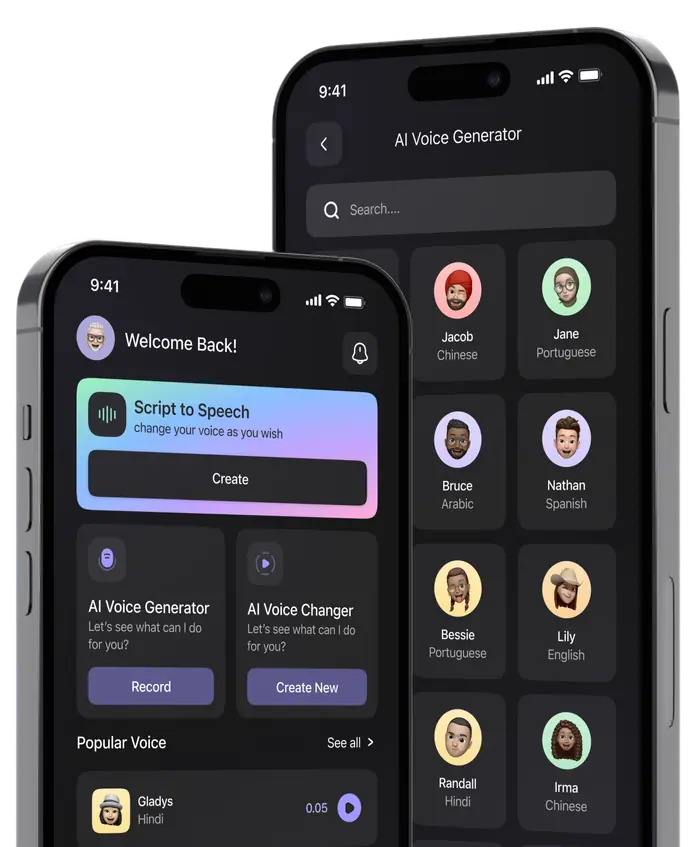
Mobile products are planned, designed, engineered and evolved around users, business requirements and technical constraints.
We build purpose-specific software platforms and systems around your business processes, integrations and operating requirements.
We create web applications and digital experiences in support of wider product and software requirements.
User journeys, interfaces and product experiences are defined ahead of engineering, or alongside it.

We add engineering capacity, with defined roles and responsibilities, inside an established delivery environment.
Our software approaches are organised around the operational or product problem your organisation needs to solve.
Our broader delivery history is useful context. We draw on it in planning product scope, dependencies, priorities and development trade-offs.
We run discovery business-first, so product requirements stay connected to the operational or customer problem the application is intended to address.
We consider user roles, integrations, workflows and future requirements while shaping the application's architecture and development approach.
During planning we consider access, data handling, performance expectations and other relevant operating requirements, according to the product and the agreed scope.
Major product choices are defined with commercial goals, user needs and engineering decisions considered together.
Discovery, design, engineering, validation, deployment planning and continued product evolution can be considered connected parts of the delivery relationship.
These answers cover when a PWA is the right choice, how it compares with native, offline behaviour, migration, notifications, integrations, choosing a PWA development company and alternatives.
If your question is not answered here, a web product specialist can address it directly in a consultation.
A PWA can be appropriate when four things fit your product: browser reach, responsive access, installability and selected offline or app-like capabilities. Device-specific functionality and browser support should still be assessed before the approach is chosen.
The main difference is delivery. A PWA reaches users primarily through the web and supported browsers, whereas a native application is built specifically for mobile platforms. Device features, distribution, connectivity, user experience and roadmap requirements decide which is right.
Selected PWA functionality can work during limited connectivity when the application has been designed for offline behaviour. What stays available depends on the product workflow, the locally available information and how synchronisation is handled.
Potentially. It depends on the existing architecture, the responsive experience, browser requirements and performance, and on whether PWA capabilities solve a meaningful user or product need.
They may be able to. Browser notifications can be available in supported environments, subject to permissions and platform behaviour. They should only be used where they serve a clear product purpose.
Yes, where suitable APIs, permissions and integration routes exist. The integration approach depends on your current systems, the application architecture, information requirements and intended workflows.
Check that the PWA development company can evaluate PWA suitability, responsive experience, offline behaviour, browser constraints, backend integration and long-term product needs. It shouldn't simply treat PWA as the default approach.
Consider native or cross-platform development where deeper device functionality, app-store distribution, platform-specific experiences or technical requirements are central to the product, and the browser can't support them appropriately.
Tell us about your product requirements and target users. We'd also like to know your browser and device needs, connectivity expectations, integrations and existing application environment. We'll review the product, its PWA suitability and the technical dependencies before discussing an appropriate next step.