

Which process createsthe most friction?
Starting with a defined operational problem keeps the initiative focused.

Free your team from repetitive administrative work so they can focus on customers, decisions, and delivery. WDI connects your tools and automates routine steps across departments, with clear handling for approvals, exceptions, and human review.
Business operations automation uses software to coordinate work that would otherwise depend heavily on manual effort. That covers repeatable tasks, approvals, the movement of information, notifications and defined process actions.
It is particularly relevant when the same work keeps passing between people, spreadsheets, emails and disconnected applications.
Automation does not mean taking people out of every process. You can automate the predictable activities and still leave approvals, exceptions and higher-impact decisions with the appropriate people.
Business process automation is worth evaluating when the way work moves through your organisation is creating friction you could avoid.
Automation is not always the first step. When ownership is unclear, business rules change constantly or the workflow contains unnecessary activities, the process may need to be clarified or redesigned first.
Strong automation initiatives decide what should change before they decide what software to build.
Starting with a defined operational problem keeps the initiative focused.
Repeatable, rules-based work is usually easier to automate than work that calls for continuous judgement.
Approvals, exceptions and higher-impact decisions may still need a human owner.
Automation often depends on access to existing applications, APIs and reliable data.
Exception handling should be designed alongside the standard process.
Depending on your objective, the measures may include cycle time, manual effort, error frequency, throughput or process visibility.
These decisions carry more weight in enterprise process automation, where a workflow may cross departments, permissions, applications and data sources.
Tell us what you are building or improving — we will help you shape the right approach, scope, and next steps.
Let’s Schedule a Call TodayWorkflow automation coordinates recurring tasks, status changes and hand-offs through defined workflow rules.
Each request reaches the right approver, every decision is recorded and your team spends less time on manual follow-up.
Recurring documents can be generated, collected, routed and managed inside defined business workflows.
When a defined event occurs, routine tasks are triggered, responsibility is assigned and the process status updates.
Information is moved or captured between the appropriate systems, so your people re-enter less of it by hand.
Recurring reports are generated and dashboards updated from available business information and reporting rules.
The responsible users are notified, and overdue activities or defined exceptions are escalated.
Workflows can be coordinated across applications where suitable integrations, APIs and access are available.
A useful automation assessment establishes three things: how the process works today, what needs to change and which constraints could affect implementation.
The steps, participants, hand-offs and points of delay
The conditions that govern routing, approvals and actions
The applications, data sources, APIs and dependencies involved
Who performs, approves and manages the process
The situations that cannot follow the normal automated route
What data is required, and whether it is accessible and reliable
The operational improvement your organisation intends to evaluate
The appropriate automation scope, rollout plan and integration requirements
WDI's business-first approach begins with the problem, the users, the constraints and the success measures. Technology is prescribed only after that.
Depending on what the assessment reveals, the right direction may be workflow automation, process redesign, an internal tool, system integration, AI-assisted automation or a combination of these.
We develop focused workflow logic for tasks, approvals, notifications and process movement.
We map, digitise, coordinate and monitor your broader operational processes.
Where suitable information needs interpreting, we add AI-assisted processing.
We create interfaces for tasks, records and exceptions, and for operational visibility.
Your customer, sales or service workflows are connected to wider operations.
Some applications limit practical workflow or integration changes. We improve them.
We support application environments, deployment planning and operational software delivery.
Related guidance: Add AI to Existing Products, Integrate Systems & Tools and Centralise Data & Reporting.
One central place for recurring tasks, responsibilities, workflow status and process rules.
Requests, approval stages, decision records and escalation paths, all managed within defined workflows.
A purpose-built system that brings operational tasks, users, information and status tracking together.
Documents, workflow stages, user access and process-related information, organised in one controlled environment.
Where sales, service or account activity depends on structured internal processes, we connect customer information with those operational workflows.
Tools that let your business teams manage records, users, workflows, configuration and operational exceptions.
A single place where staff complete requests, tasks and defined internal workflow activities.
Operational information, presented so the responsible teams can monitor workload, activity and process status.
Suitable applications and APIs are connected so that information and workflow events can move between systems.
The engineering foundations behind dependable automation: workflow logic, integrations, data and controlled releases, chosen around how your operations actually run.
We define how tasks, approvals, statuses and workflow states change as a process moves forward.
01We connect the appropriate applications and exchange the information your operational workflows require.
02We implement the business logic and supporting services that automation software needs.
03Defined actions start when a relevant workflow or business event occurs.
04We structure and manage the information used by workflow applications and operational systems.
05Where cloud delivery is part of the solution, we plan the application-environment requirements.
06Workflow actions and access to information are controlled according to defined users and roles.
07We plan how automation software moves through development, testing and release environments.
08We define how information moves between users, workflows, applications and reporting requirements.
09AI helps extract or organise suitable document information for use in a workflow or for human review.
Relevant information is surfaced to support defined operational decisions, and ownership stays with people.
Available context is used to support the routing of tasks or information within suitable workflows.
Suitable unstructured information is converted into structured inputs for review or further processing.
AI helps surface incomplete or unusual items that may need human attention.
Conditions that need attention are surfaced when suitable information and decision criteria are available.
AI helps users find relevant business information during operational workflows.
Workflow information is organised to support the review of recurring patterns, questions or bottlenecks.
AI should not be introduced simply because automation is being considered. When a process is predictable and clearly defined, rules-based automation may be the more appropriate choice.
Where AI affects operational decisions, human oversight, evaluation and fallback requirements should be considered.
A fraction of what we have shipped.
WDI brings together product, software, AI, design and engineering capabilities. Each can support a different part of an automation or digital transformation initiative.
We evaluate and implement AI capabilities where intelligent processing can add practical value to products, software or business workflows.
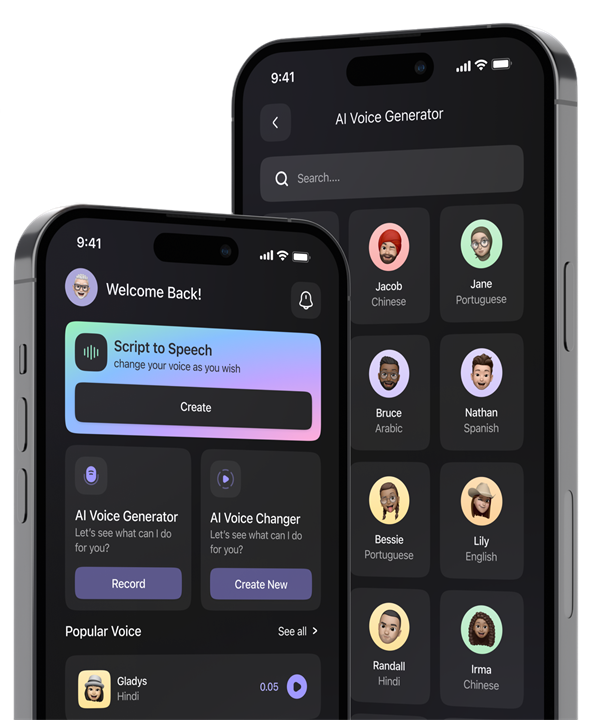
We plan and build mobile applications that connect users, workflows, data and supporting business systems.
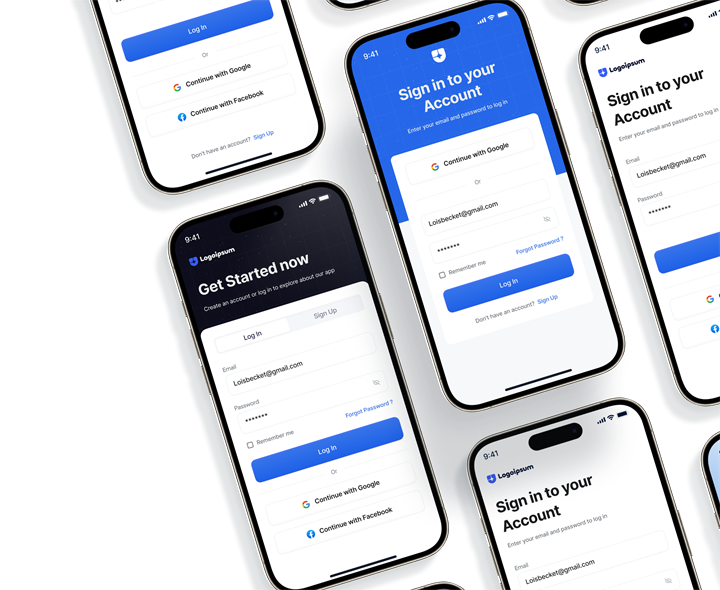
We develop purpose-built software platforms, enterprise applications and operational systems aligned to your business requirements and workflows.
We build web applications and digital platforms that support customer, employee or operational experiences.
We research, define and design user journeys, interfaces and product experiences for web, mobile and software platforms.

Extend your internal engineering capacity with defined roles, responsibilities and delivery governance.
Address broader business objectives through software, AI, integration, automation, data and digital-product solutions.
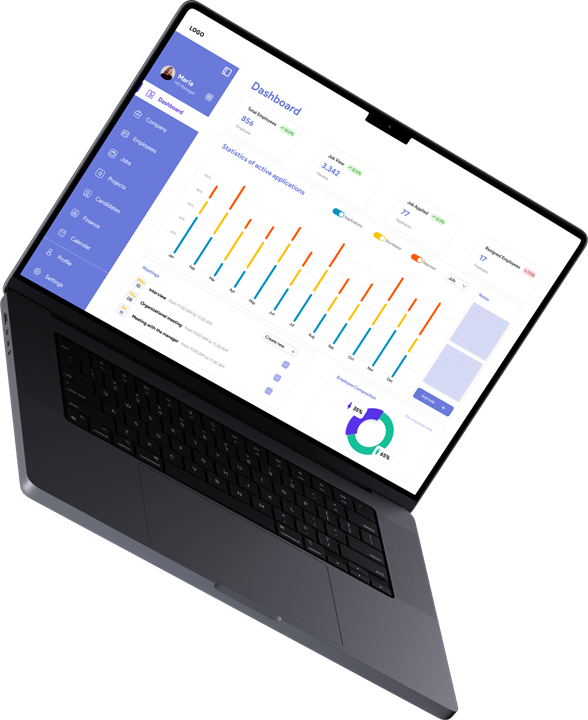
The first step is to establish what is happening in the process today and what your organisation wants to improve.
Useful context may include the workflow, the teams involved, your existing systems, the repetitive activities, any known integration requirements and the important exceptions.
We can review that context and discuss the likely direction. That may be further process clarification, workflow software, system integration, an internal platform, AI-assisted automation or another approach.
Any formal discovery, design or development scope is agreed separately.
The stronger candidates for automation are usually processes that happen repeatedly, follow identifiable rules and consume significant manual effort. Activities that need continuous judgement may still benefit if selected supporting steps are automated.
Redesign may be the better first step when the workflow contains unnecessary activities, unclear ownership or inconsistent rules. Automation should follow once the process is sufficiently understood.
Often, yes. Feasibility depends on the applications involved, the APIs available, permissions, architecture and data. Some environments may need integration work or modernisation first.
No. Rules-based automation is often the better option for predictable processes. AI becomes more relevant when suitable information needs interpretation, retrieval, classification or decision support.
Business process automation is the broader use of software to reduce manual operational work. Workflow automation focuses on defined tasks, approvals, triggers and status changes. Business Process Management (BPM) is broader. It applies when an organisation needs to map, coordinate, monitor and improve processes across a larger operating environment.
Operational automation should begin with a clear understanding of the process, the friction it creates and the points where people still need control.
Tell us about the workflow, the systems and the operational challenge you want to improve. We can review the context and talk through the most appropriate next direction.