









AI Feature Integration
We add defined AI capabilities to the mobile product you already have. We do this for products whose user needs, available information, architecture and operating requirements support practical integration.
Give your users smarter ways to search, create, and get things done with AI built into your mobile app. WDI helps you identify where AI adds practical value and designs the experience around your product, data, and users.








WDI is an AI app development company. We help product teams introduce AI into mobile applications, and we do so where it improves a defined user experience, workflow or business task. Our AI mobile app development services cover feature integration, assistants, recommendations, predictive capabilities and intelligent workflows. Nothing is implemented straight away. We first consider the product objective, the available information, privacy requirements, application architecture, integrations and evaluation criteria, along with the points where human review or fallback behaviour may be required.
We add defined AI capabilities to the mobile product you already have. We do this for products whose user needs, available information, architecture and operating requirements support practical integration.
We plan generative AI features for defined mobile tasks. The required capability, the information sources, the controls and the evaluation approach must all be technically validated first.
Our mobile AI assistants help users retrieve information, navigate workflows or complete defined tasks. Each one works from appropriate information sources and within appropriate controls.
We integrate recommendations that draw on suitable product, user or behavioural information. This is done where the available data can meaningfully support relevant suggestions.
Suitable historical data can support forecasting, classification, recommendations or defined mobile product decisions. We introduce predictive capabilities on that basis.
Visual-analysis capabilities are included on two conditions only: current technical evidence confirms the required implementation approach, and the mobile use case supports them.
An AI feature often depends on the wider product around it. Our related services cover modernisation, mobile engineering, product design, supporting software and deployment requirements, for the cases where an AI capability cannot be considered in isolation.
Architecture or technical constraints can limit practical AI integration. We improve existing applications to deal with that.
We validate an AI-enabled mobile concept through a focused MVP and a prioritised feature scope.
We build AI-enabled experiences across platforms for products whose requirements suit shared mobile development.
Some AI experiences rely on native capabilities or device functionality. We develop those platform by platform.
Our designers create consistent interface patterns for AI interactions, so they hold together across evolving mobile product experiences.
We extend mobile products with supporting AI-enabled software, services and workflows.
Supporting environment and deployment requirements are addressed according to the approved product scope.
Adding AI is a product decision before it is a technology decision. We are the AI app development company that helps your team determine four things: where AI belongs, what information it requires, how users should interact with it and what controls should exist around the experience.
Discuss Your AI AppWe identify the mobile journeys where AI may improve assistance, discovery, recommendations, interpretation or workflows. We leave alone the tasks conventional software already handles well, because AI would only add complexity there.
We determine the required information, its permitted use, access, privacy expectations, consent where applicable and handling constraints. Only then do we decide whether the data is suitable for implementation.
Generative approaches suit certain conversational or information tasks, and we use them there. Predictive, classification or recommendation requirements are different: they may depend on historical data and on different evaluation methods.
We review your architecture, APIs, integrations, information flows and permissions. The review tells us whether targeted integration is practical or whether supporting modernisation should happen first.
We define the points at which users or operational teams should review, approve, correct or take over. This matters most where AI outputs may be uncertain, sensitive or consequential.
We set criteria around the intended task, such as relevance, recommendation quality, workflow usefulness or human-review outcomes. Technical functionality alone does not prove value, and we don't assume it does.
We extend your existing mobile product with AI capabilities. The integration has to be justified by the user need, the architecture, the available information and the operating requirements.
We build a focused first version of your AI-enabled mobile product. It tests the important user journeys, technical assumptions and feature value before development expands.
We use AI within mobile workflows to interpret information, support routing or reduce repetitive handling. Business ownership, exceptions and appropriate human review all stay in place.
We introduce AI-assisted support for defined questions or tasks. It works from approved information sources, with escalation paths and appropriate limits on automated responses.
We bring relevant AI-generated or analysed information into defined reporting views, so your teams can review outputs, patterns and operational signals more consistently.
We connect AI-enabled mobile experiences with your existing systems, wherever appropriate APIs, information access, permissions and integration paths are available.
We assess the legacy application first. The question is whether its architecture, integrations or information foundations should improve before useful AI capabilities are introduced.
AI-enabled mobile platforms are planned around users, workflows, integrations, information requirements and future product needs. The agreed operating context shapes the architecture.
AI mobile requirements vary with users, information, workflows and operating environments. We can shape intelligent app experiences around different industry contexts. Data readiness, privacy, human oversight, integration dependencies and implementation constraints are always kept specific to the intended product.
We define the users, the mobile journey, the business problem and the outcome the AI capability should support.
We define the users, the mobile journey, the business problem and the outcome the AI capability should support.
We review available information, privacy considerations, application architecture, APIs, integrations, permissions and operating constraints.
We review available information, privacy considerations, application architecture, APIs, integrations, permissions and operating constraints.
We confirm whether AI is appropriate, and identify the assumptions that need focused validation before wider development.
We confirm whether AI is appropriate, and identify the assumptions that need focused validation before wider development.
Interactions, information flows, human review, exceptions and fallback behaviour are defined, together with the wider mobile experience.
Interactions, information flows, human review, exceptions and fallback behaviour are defined, together with the wider mobile experience.
Our team develops the agreed mobile and AI capabilities and connects them with the required systems and workflows.
Our team develops the agreed mobile and AI capabilities and connects them with the required systems and workflows.
Agreed functionality and AI behaviour are tested against defined criteria before operational use.
Agreed functionality and AI behaviour are tested against defined criteria before operational use.
We review operational evidence and changing product needs to determine where refinement or expansion is justified.
We review operational evidence and changing product needs to determine where refinement or expansion is justified.
Intelligent app development may combine AI capabilities, information retrieval, data, backend services and mobile engineering. We select advanced techniques only where current technical evidence and the use case support them.
We integrate AI capabilities into defined mobile workflows, product features and user experiences.
AI experiences are connected with defined information sources, in cases where retrieval supports the intended task.
We use semantic retrieval only where current technical capability and implementation evidence support the requirement.
Predictive or classification capabilities are integrated where suitable data and evaluation criteria exist.
AI-enabled mobile experiences need application logic and services behind them. We build those.
We develop the APIs that connect mobile applications, AI capabilities and supporting business systems.
We prepare the information flows required to support defined AI features, integrations and evaluation.
Infrastructure requirements are defined according to AI workloads, application architecture and operating needs.
We define monitoring, access and information-handling requirements according to the AI use case and scope.
AI should support a defined part of the mobile experience or workflow. It should not exist as an undefined feature. Its potential value depends on the problem, the available information, the implementation and the evaluation approach.
We adapt selected experiences using relevant user information. Suitable data and evaluation criteria have to exist first.
Users address defined questions through AI-assisted interactions, with appropriate escalation options.
We use suitable information to provide relevant suggestions within defined mobile experiences.
Search experiences that are meaning-based or context-aware help your users retrieve the information relevant to them.
We extract and organise information from suitable inputs, which reduces repetitive manual entry.
Suitable historical data is used to support forecasts or recommendations for defined decisions.
Your users access information or complete defined tasks through conversational mobile interfaces.
We apply AI to suitable repetitive activities and maintain appropriate ownership, review and exception handling.
A fraction of what we have shipped.
Share the goal, the users and the systems involved. We'll come back with a considered approach.
Verbatim excerpts from documented client feedback. Ratings are not shown until an underlying review source verifies them.
An AI-enabled mobile product may involve broader AI, software, web, design or engineering requirements. These WDI capabilities are your route to the related services once the need extends beyond the mobile application.
We evaluate AI capabilities for products, software and workflows, and implement them where AI supports a defined need.
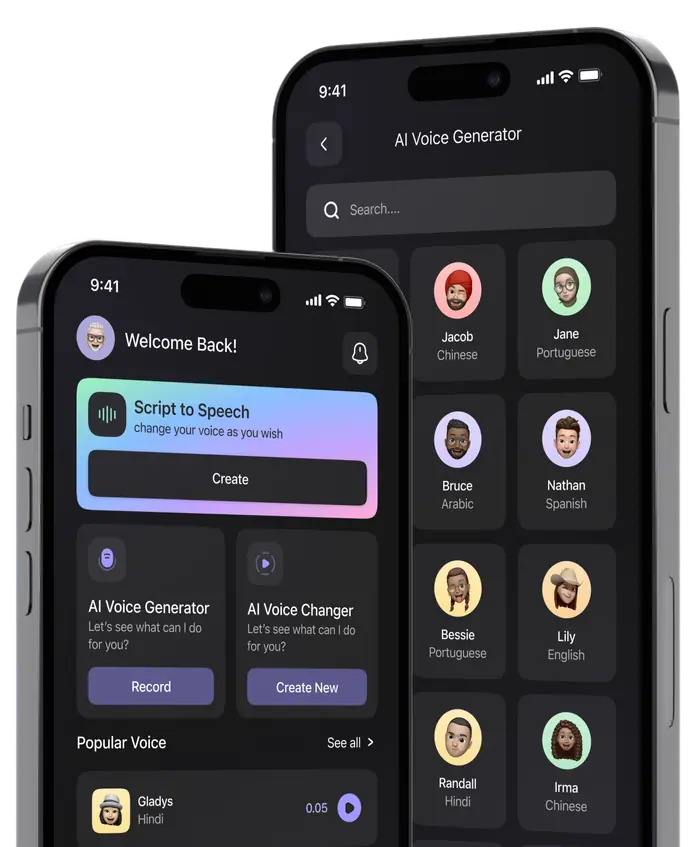
Mobile products are planned, designed, engineered and evolved around users, business requirements and technical constraints.
We build purpose-specific software platforms and systems around business processes, integrations and operating requirements.
Our web team creates applications and digital experiences that support wider product and software requirements.
User journeys, interfaces and product experiences are defined before engineering starts, or alongside it.

We add engineering capacity to an established delivery environment, with roles and responsibilities defined.
Our software approaches are organised around the operational or product problem your organisation needs to solve.
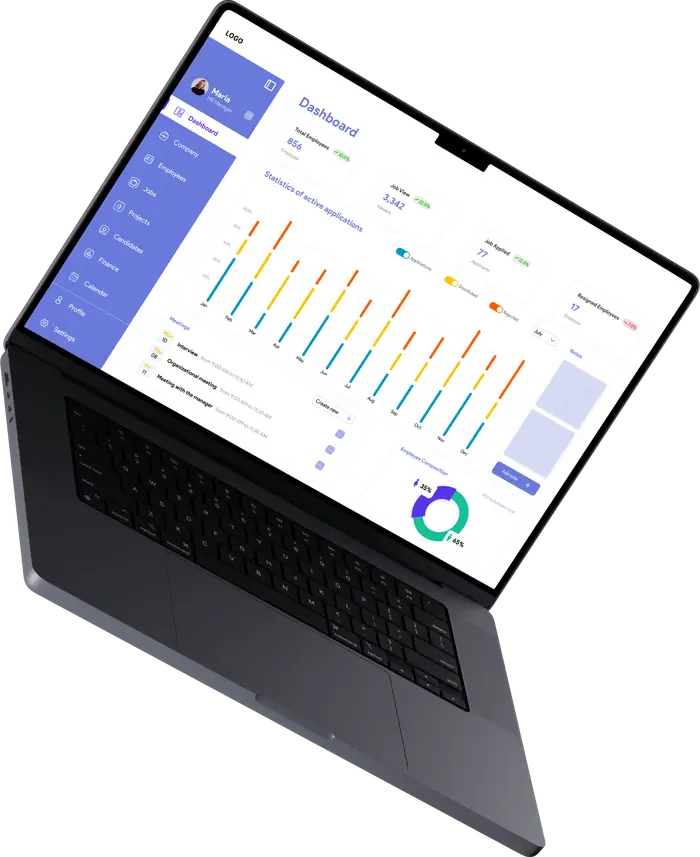
Our broader delivery history gives us useful context for planning product scope, dependencies, priorities and development trade-offs.
Our discovery is business-first. It connects product requirements with the operational or customer problem the application is intended to address.
We consider user roles, integrations, workflows and future requirements in shaping the application's architecture and development approach.
Access, privacy, data handling, performance expectations and other relevant operating requirements are considered during planning, according to the product and the agreed scope.
We consider commercial goals, user needs and engineering decisions together in defining major product choices.
Discovery, design, engineering, validation, deployment planning and continued product evolution can be considered as connected parts of one delivery relationship.
These answers cover when AI is worth adding, feasibility on existing apps, feature types, information requirements, evaluation, human review, scope boundaries and what happens after launch.
If your question is not answered here, an AI mobile product specialist can address it directly in a consultation.
AI is most useful when it improves a defined user experience, product capability or workflow. The decision should consider the problem, available information, privacy requirements, architecture, expected value and evaluation needs. It should also assess whether conventional software could achieve the objective more simply.
In many cases, yes. Feasibility depends on application architecture, APIs, available information, privacy requirements, permissions and operational needs. Some products may need targeted modernisation before the proposed AI capability becomes practical.
An intelligent app may include assistants, recommendations, predictive features, intelligent search, information extraction, conversational experiences or workflow automation. The use case and validated capabilities determine which features are appropriate.
Inputs may include business information, product content, historical data, user workflows or existing system information. Availability, permitted use, privacy expectations, access, quality and handling constraints should all be assessed before implementation.
Evaluation should reflect the task the feature performs. Measures may include relevance, completeness, recommendation quality, consistency, workflow usefulness and human-review outcomes, alongside other criteria defined during planning.
No single review model fits every use case. Some outputs may be suitable for direct use. Other outputs, particularly uncertain, sensitive or higher-impact ones, may require human review, escalation or fallback behaviour.
AI Mobile App Development focuses on AI within mobile or mobile-led product experiences. AI Software Development is broader: it focuses on custom software, business systems and operational workflows where mobile is not the defining delivery context.
The feature should be reviewed against the agreed evaluation criteria and operational evidence. Changes in information, user behaviour, product requirements or AI behaviour may create a need for further testing, refinement or implementation changes.
Share four things with us: the mobile experience you want to build or improve, the problem AI is expected to address, your existing application environment and the information available. We will review the product need, the information and privacy considerations, the implementation dependencies and the evaluation requirements.