01 — CLOUD
Explore service
Cloud Applications & DevOps
We address cloud environment, deployment and operational requirements when these become the primary technical need.

Update the applications your business relies on to address technical limitations and support changing needs. WDI assesses your existing software and plans improvements across architecture, code, and integrations, with a transition approach shaped around business continuity.







WDI is an application modernization company. We start by identifying two things: what is restricting the software today, and what the business needs next. Our software modernization services can cover assessment, architecture, migration, cloud readiness, interfaces, data, APIs, re-engineering and performance, where these needs fit the agreed scope. The application isn't changed until we've reviewed its current business logic, dependencies, integrations, users and operational constraints. That review determines which components should remain, improve or change.
Modernizing an application can involve more than the application. It may require cloud delivery, interface redesign, AI integration, web engineering, workflow changes or additional development capacity around the existing software.
We address cloud environment, deployment and operational requirements when these become the primary technical need.
Reusable interface patterns are created where broader experience consistency is part of modernization.
We add AI where modernized architecture and information foundations support a defined use case.
Browser-based application experiences are built or extended where the wider product requires them.
Modernization can expose manual or fragmented process dependencies. We improve the defined operational workflows involved.
We modernize or build supporting operational interfaces, reporting views and internal applications.
Defined engineering capacity is added for longer modernization programmes and continued application evolution.
Understand the existing system first, then decide what to replace. That is when modernization works best. We help you determine what should stay, what should change and which specialist route owns the primary problem.
Discuss Your ApplicationWe assess architecture, business logic, dependencies, integrations and roadmap requirements first. Targeted modernization, staged replacement or a new application may each be more appropriate, and the assessment tells us which.
We prioritize the components that create meaningful business, technical or operational constraints. We don't attempt to change every part of the application simultaneously.
Application Modernization is for broader business logic, backend, data, integration or application-wide renewal. Modern Web Development is the route when frontend, web architecture, delivery or web migration is the primary problem.
Application Modernization applies when the main problem is the existing application's architecture, logic, data or integrations, and cloud is one possible mechanism. Cloud Applications & DevOps applies when environment, deployment, cloud delivery or operational practices are the primary requirement.
Business logic that still supports the operating model is retained where practical. Tightly coupled or difficult-to-maintain components that restrict future change are reviewed.
Yes. A phased approach can separate urgent technical constraints from longer-term architectural changes. It works where dependencies allow the application to evolve without one large replacement programme.
We improve ageing applications through targeted changes to architecture, interfaces, data, integrations or supporting infrastructure, according to the condition of the current system.
Modernized applications are connected with existing software where suitable APIs, permissions and information flows can support the business processes required.
We introduce AI where a defined product or workflow need is supported by modernized architecture, available information, evaluation requirements and operating controls.
Current data dependencies can limit reporting or operational visibility. We improve how application information is structured, connected or surfaced.
Supporting workflows are modernized where manual tasks, fragmented hand-offs or existing system limitations are restricting how operational work moves.
Existing applications sometimes can't support the roles, workflows, integrations or operating requirements needed. We extend modernization into broader business software in those cases.
We create or modernize customer-facing application experiences where the existing system needs new access, workflows, integrations or backend capabilities.
A new product route is used where the intended user experience and architecture differ enough from the existing application to justify separate development.
Application age, users, workflows, information and operational dependencies all change modernization priorities. We can shape modernization around different business contexts while the scope stays specific to the existing system.
We review users, business processes, current architecture, integrations, data and known technical constraints.
We review users, business processes, current architecture, integrations, data and known technical constraints.
What should be retained, improved, migrated, re-engineered or replaced is identified according to business and technical needs.
What should be retained, improved, migrated, re-engineered or replaced is identified according to business and technical needs.
We establish scope, dependencies, sequencing, target architecture and practical boundaries for each modernization stage.
We establish scope, dependencies, sequencing, target architecture and practical boundaries for each modernization stage.
Required application, workflow and interface changes are defined before deeper implementation begins.
Required application, workflow and interface changes are defined before deeper implementation begins.
We implement the agreed changes progressively and manage dependencies between existing and modernized components.
We implement the agreed changes progressively and manage dependencies between existing and modernized components.
Agreed functionality, integrations, data movement and operational requirements are tested before each transition or release.
Agreed functionality, integrations, data movement and operational requirements are tested before each transition or release.
We use operational needs and roadmap priorities to determine appropriate subsequent modernization work.
We use operational needs and roadmap priorities to determine appropriate subsequent modernization work.
Architecture, APIs, data, deployment and integration changes can all be part of application modernization. We let the existing application's condition, its dependencies and the intended future state decide the technical approach.
We assess cloud suitability and plan migration where the target environment and application dependencies support the change.
Application components are restructured where existing architecture restricts maintainability, integration or future change.
We improve or introduce APIs where applications need clearer integration paths and information exchange.
Application information movement is planned where data changes are part of the modernization scope.
We improve how application components are packaged and deployed, according to the target environment.
Release and delivery practices are improved according to application architecture and operating requirements.
We connect modernized components with existing systems that must remain part of the operating environment.
Access, authentication and information-handling requirements are reviewed as application components change.
We evaluate application performance requirements against expected behaviour, architecture and operating conditions.
AI can assist selected modernization activities, or it can become part of the modernized application. Either use needs a defined need, suitable information and technical feasibility to support it.
We use AI to support review of existing code where suitable inputs and human verification are available.
AI assists analysis of modernization dependencies. Migration decisions stay human-owned.
We use AI to support defined testing activities where outputs can be reviewed against established acceptance criteria.
AI helps organise or draft technical documentation from suitable project information, under human review.
We help teams retrieve relevant information from defined application, documentation or business sources.
AI is added where the modernized application supports a defined user or business use case.
We use suitable application information to support review of operating patterns where meaningful evaluation is possible.
AI-assisted analysis is used as one input when modernization options, dependencies and potential sequencing are reviewed.
A fraction of what we have shipped.
Tell us about the application, the workflows it supports and the constraints limiting continued change.
Application modernization may connect with broader AI, mobile, software, web, design or engineering requirements. These WDI capabilities give you routes to related services where modernization is only part of the requirement.
We evaluate and implement AI capabilities where they support a defined product, software or workflow need.
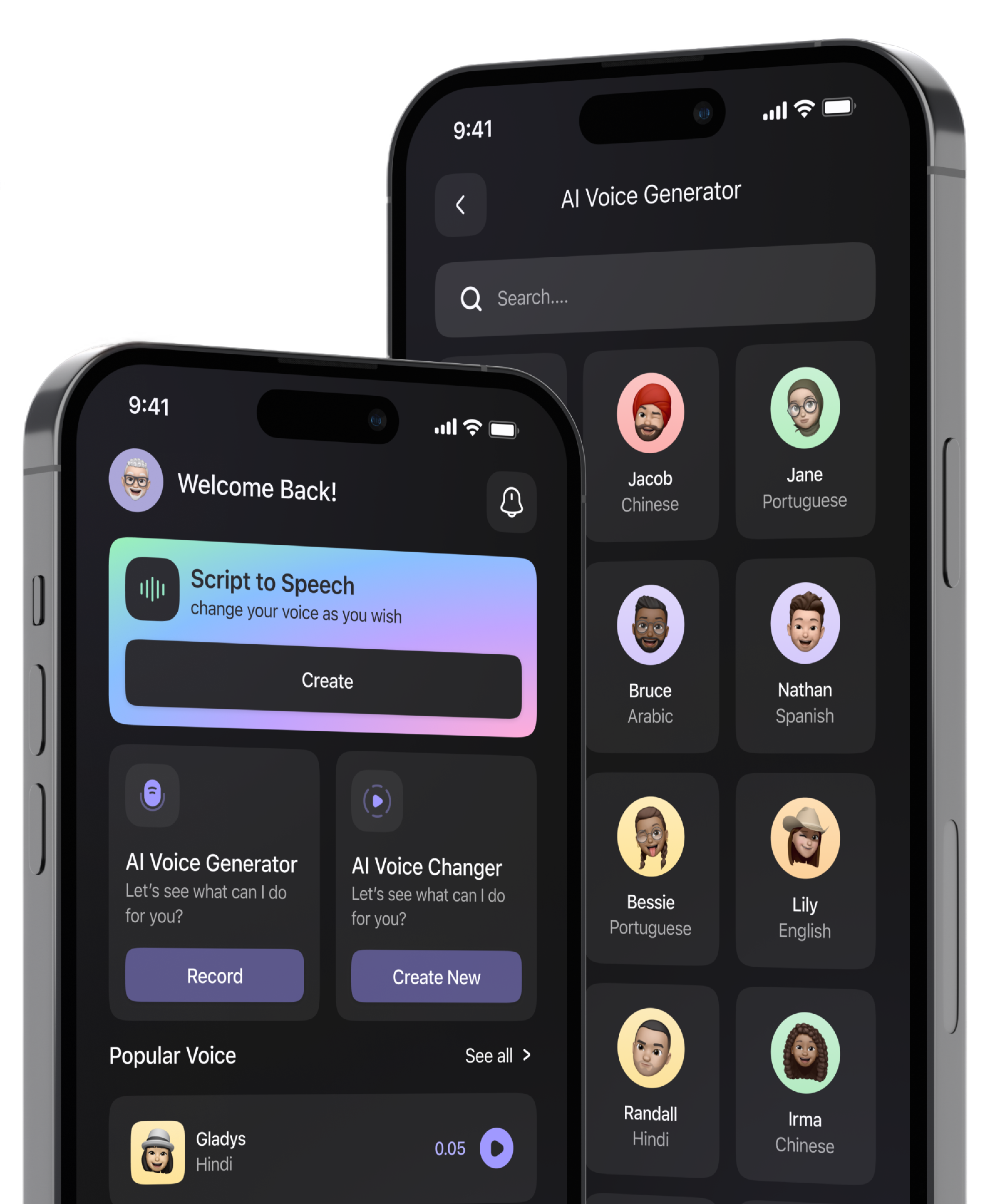
Mobile products are planned, engineered and evolved around defined users, requirements and technical constraints.
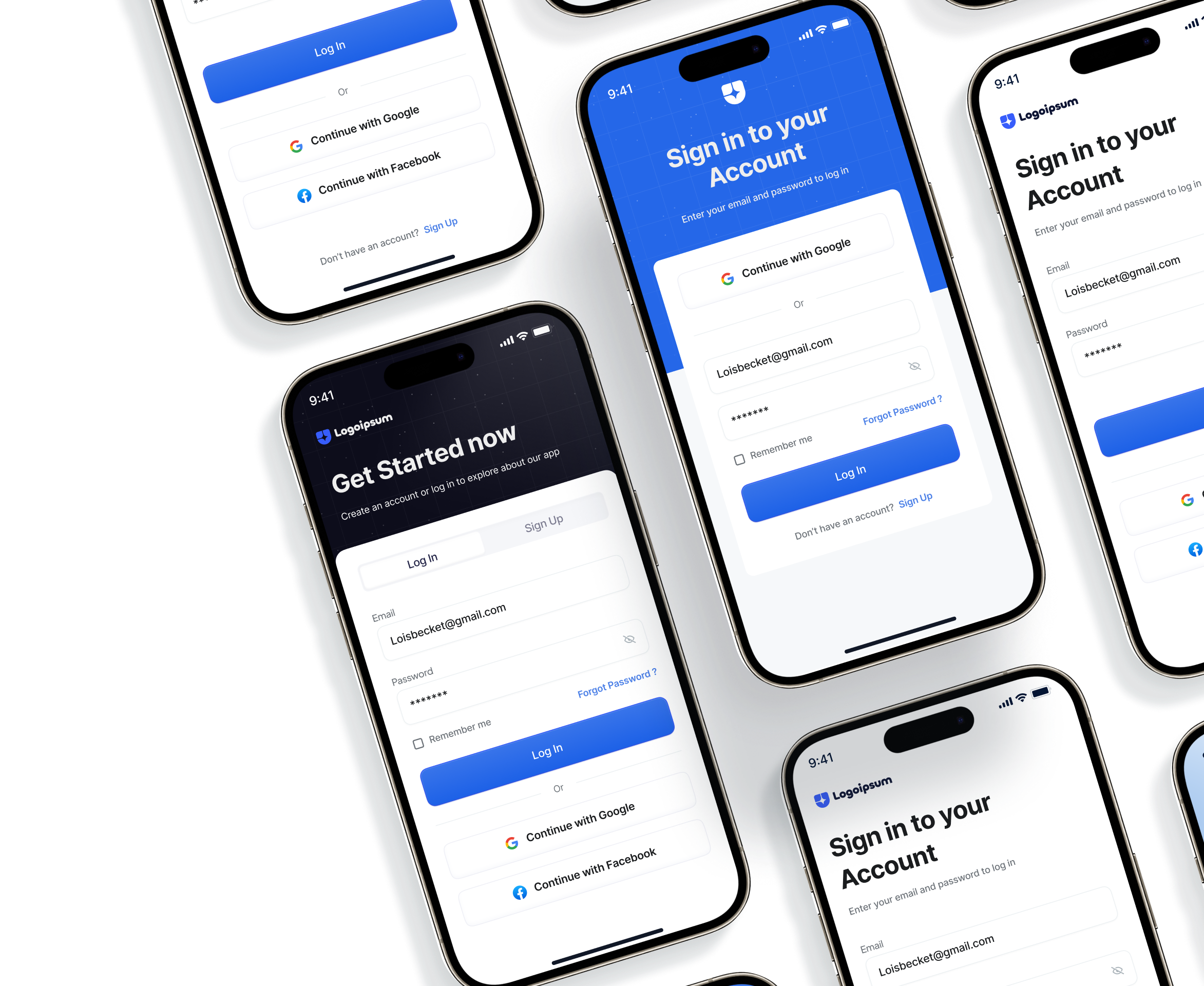
We build purpose-specific software platforms and systems around business processes, integrations and operating needs.
Our web applications and digital experiences support wider product and software requirements.
We define user journeys, interfaces and product experiences before modernization, or alongside it.

Engineering capacity is added within an established delivery environment, with roles and responsibilities defined.
We organise our software approaches around the operational or product problem your organisation needs to solve.
We examine the application, its users, workflows and dependencies first. That business-first approach comes before a target architecture is prescribed.
Existing components can be retained where they still serve the business and can operate within the intended future state.
Integrations, data, business logic and operational constraints are reviewed before modernization sequencing is defined.
Scope can be separated into practical stages where dependencies and business continuity make staged change appropriate.
Our modernization decisions consider two things together: what the application must support and what the underlying software needs to change.
We consider architecture and modernization priorities in relation to the product or system roadmap, not one isolated release.
These answers explain how WDI approaches application modernization, existing business logic, phased change, cloud boundaries and the difference from related services.
If your question is not answered here, a modernization specialist can address it directly in a consultation.
It is the process of improving an existing software system so it can better support current business, technical and user requirements. Application modernization may involve architecture, integrations, data, interfaces, deployment or selected application components. It doesn't have to be a complete rebuild.
Modernization can be appropriate when important business logic, data or functionality still has value and can be improved without replacing the whole system. Replacement may be more appropriate where underlying constraints make continued change impractical.
Application Modernization covers broader renewal involving business logic, backend systems, data, integrations or application-wide architecture. Modern Web Development is the more appropriate route when frontend, web architecture, web delivery or web migration is the primary requirement.
Application Modernization focuses on renewing an existing application's architecture, logic, data or integrations, with cloud as one possible mechanism. Cloud Applications & DevOps is the more appropriate route when cloud environment, deployment, delivery operations or cloud-led engineering is the primary requirement.
Yes, where application dependencies allow it. A phased approach can modernize selected components, interfaces or integrations, and existing parts continue operating until later stages are ready.
Potentially. Business logic that still works may be retained while the surrounding architecture, integrations, interfaces or technical components are improved. It depends on how tightly the existing logic is coupled to the current system.
Yes, where AI supports a defined need and the modernized application has suitable information, architecture, integrations, evaluation criteria and human controls. Modernization may sometimes be required before AI integration is practical.
Application Modernization is the engineering service for assessing and changing an existing application. Modernize Legacy Systems is the broader solution route. It is for organisations deciding how to address legacy-system problems across software, integrations, workflows and related technology.
Tell us about the application you need to improve and the business workflows it supports. We'd also like to know the technical constraints you're aware of, the integrations and the problems limiting continued change.
We'll review the current system, its dependencies and the modernization priorities. Then we can discuss whether targeted improvement, migration, re-engineering, cloud-led change or replacement is the appropriate next step.