

What stillworks well?
Keeping the stable, valuable parts of the system can avoid unnecessary redevelopment.

Move beyond systems that make change difficult while protecting the business knowledge and data they hold. WDI helps you plan a phased modernization across applications, integrations, and data migration, with attention to dependencies and operational continuity.
Legacy system modernisation improves existing software to meet current business, user and technical needs without necessarily replacing it.
It can address ageing architecture, outdated interfaces, difficult integrations, limited APIs, inaccessible data, infrastructure constraints and duplicated manual work through targeted upgrades, re-engineering or migration.
The goal is to preserve what works while removing barriers to change and reducing operational, technical and user friction.
Modernisation is worth evaluating when an existing system still supports important business activity but increasingly gets in the way of change.
Modernisation is not always the right answer. If the system no longer serves a meaningful business purpose, replacing or retiring it may be more appropriate. If there is only one isolated problem, a focused improvement may be preferable to a broad transformation programme.
The first decision is not which technology should replace the old one. It is what your organisation actually needs to change.
Keeping the stable, valuable parts of the system can avoid unnecessary redevelopment.
The main problem may be architecture, UX, data, integration, infrastructure or workflow, and not the entire application.
Business-critical integrations, processes and users may determine how change has to be phased.
Clear future requirements help prevent technical change that delivers no business value.
Different problems call for different levels of intervention.
Migration, testing, data movement and operational transition need to reflect how important the existing system is.
These questions matter most where a system has accumulated years of business rules, integrations and operational dependencies that may not be fully documented.
Modernisation should be proportional to the problem. A complete rewrite is not automatically better than a focused change. Equally, incremental improvement is not always enough for a system that is fundamentally constrained.
| Situation | A possible direction |
|---|---|
| The system works but the interface is difficult to use | UI/UX modernisation |
| External systems cannot connect easily | API enablement or integration improvement |
| Data structures limit reporting or new functionality | Database or data modernisation |
| Architecture makes change increasingly difficult | Selective re-engineering or architecture modernisation |
| Infrastructure limits deployment or operational flexibility | Infrastructure or cloud migration assessment |
| Large parts remain valuable but specific components are obsolete | Phased component modernisation |
| The application no longer supports future business needs | Replacement or broader re-engineering may be appropriate |
Tell us about the applications, operational challenges and constraints you are dealing with.
Discuss Your Modernisation PrioritiesRestructure selected application components where the existing implementation makes important business or technical change difficult.
Move suitable application workloads or components where a different hosting environment supports the agreed modernisation objective.
Improve application structure where the existing architecture limits integration, change, maintainability or future product requirements.
Refresh user journeys and interfaces where ageing experiences create unnecessary friction for customers or employees.
Improve data structures, storage or access where database limitations constrain applications, reporting or integrations.
Expose suitable application functions or information through APIs, to support integration with newer systems and digital experiences.
Move suitable functionality, data or workloads out of older environments where migration offers a clearer route forward.
Investigate application bottlenecks and improve selected areas where current performance is affecting users or operations.
A modernisation decision should begin with two questions: why does the existing system matter, and where do its real constraints sit?
Which important processes, users or services depend on the system
What is slow, difficult, expensive or restrictive today
How the major components interact and where change is constrained
What information must be retained, moved, accessed or restructured
Which internal and external systems depend on the application
Which workflows or experiences need improvement
What must keep working during any transition
The measurable improvements expected from modernising the system
WDI’s business-first approach begins with the problem, the users, the constraints and the success measures. Technology is prescribed only after that.
Future requirements cover what the organisation expects the system to support next. The assessment may show that only part of the application needs modernising, while other components can stay in place.
Assess and improve ageing software across application, architecture, integration and data requirements.
Improve user journeys and interfaces where the existing product experience needs significant change.
Support cloud application, environment and software-delivery requirements within a wider modernisation programme.
Create more consistent interface patterns where modernisation includes a broader user-experience refresh.
Introduce AI capabilities where the modernised environment can support a defined business use case.
Rebuild or extend browser-based application components when modernisation calls for new web experiences.
Provide defined engineering capacity for phased or ongoing modernisation programmes.
Modernise business-critical applications where ageing architecture, interfaces or integrations restrict future change.
Improve existing customer-facing platforms when their user journeys, integrations or underlying application components need renewal.
Modernise custom CRM environments where workflows, integrations, interfaces or reporting need improvement.
Update the workflow applications behind business processes that have outgrown the existing software or integration model.
Improve the operational applications employees use when ageing functionality or interfaces create recurring friction.
Modernise reporting applications where data access, presentation or integration limits useful business visibility.
Re-engineer selected web application components where older implementation approaches make maintenance or enhancement difficult.
Modernise the software that supports recurring business operations where the current environment limits process or system improvement.
Review hosting and environment constraints where infrastructure limits deployment or operational flexibility.
The engineering considerations behind a change: structure, interfaces, data and delivery, chosen around what the existing system still needs to support.
Assess the application and environment requirements before any suitable workloads or components are moved.
01Restructure selected application components where the existing architecture limits practical change.
02Improve application interfaces so that the appropriate systems can exchange information more effectively.
03Plan and move application data where the modernisation route requires a different database environment.
04Assess the environment and deployment requirements where modernisation changes how software is packaged, tested or operated.
05Plan the controlled movement of modernised software through development, testing and release environments.
06Connect retained legacy components with newer applications where full replacement is unnecessary.
07Define project-specific access and application controls according to users, information and agreed requirements.
08Assess selected performance constraints and identify practical improvement opportunities within the agreed application scope.
09AI helps teams inspect and understand suitable existing code during technical assessment.
AI assists the analysis of suitable application information when teams are evaluating migration requirements.
AI assists with creating selected test scenarios, subject to engineering review.
AI helps organise or draft technical documentation from suitable existing information.
Useful information is surfaced from suitable legacy documentation, code or system records for human review.
Assess whether the modernised application foundation can support a defined future AI capability.
Available application information supports human decisions about where investigation may be most valuable.
AI assists the analysis of suitable operational information where it can inform modernisation decisions.
AI should remain an accelerator and a decision-support capability. Architecture, migration, testing and production decisions still require appropriate engineering ownership and verification.
AI should be added during legacy software modernization only where it supports a defined business objective and the underlying system can support it. Related decisions about connected systems belong on Integrate Systems & Tools.
These examples describe possible modernisation situations rather than claims of specialist WDI expertise in every listed sector.
A fraction of what we have shipped.
Across its broader software and digital engineering work, WDI has delivered 2,000+ projects. These figures describe WDI’s overall project experience and do not imply that every project was a legacy-system modernisation. Capabilities include enterprise applications, APIs, workflow digitisation, system integration, reporting, product design, cloud delivery and ongoing engineering support. Use this page to decide the modernisation route. Use Application Modernization for the delivery capability, and Integrate Systems & Tools when the constraint is primarily how systems should connect.
Evaluate and implement AI capabilities where intelligent processing can add practical value to products, software or business workflows.
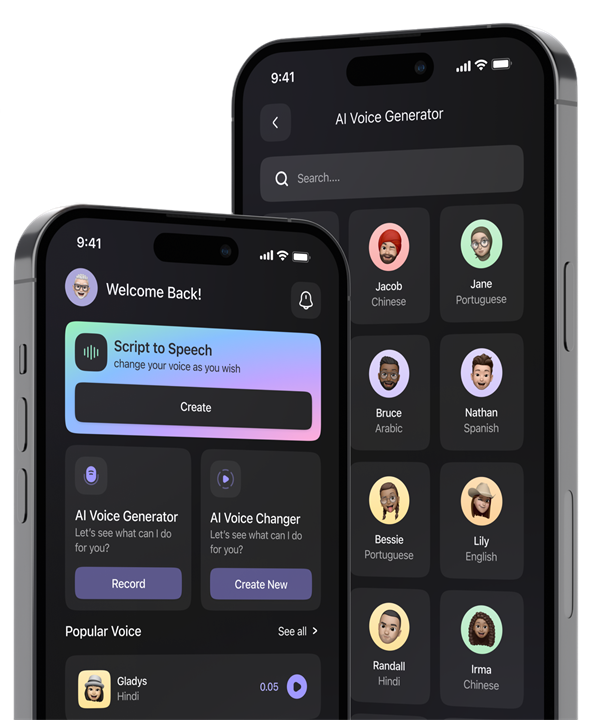
Plan and build mobile applications that connect users, workflows, data and supporting business systems.
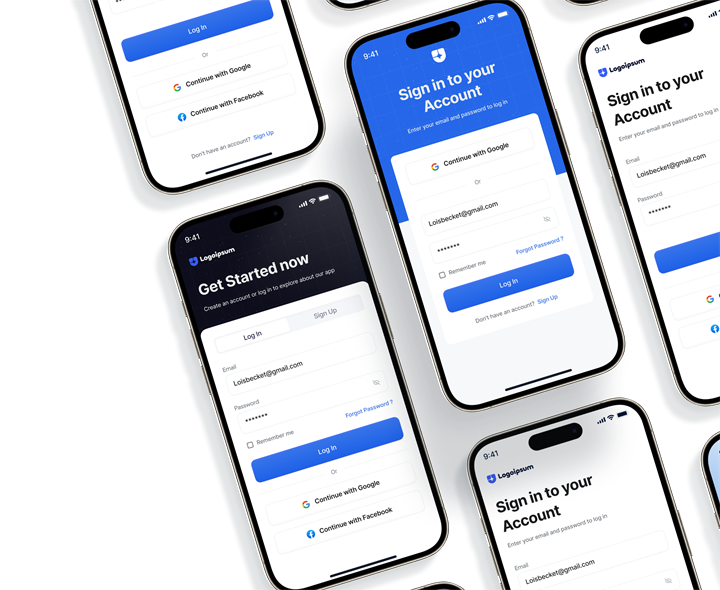
Develop purpose-built software platforms, enterprise applications and operational systems aligned to your business requirements and workflows.
Build web applications and digital platforms that support customer, employee or operational experiences.
Research, define and design user journeys, interfaces and product experiences for web, mobile and software platforms.

Extend your internal engineering capacity with defined roles, responsibilities and delivery governance.
Address broader business objectives through software, AI, integration, automation, data and digital-product solutions.
The first discussion should establish what the existing system does, why it still matters and what is becoming difficult.
Useful context may include the applications involved, the users and business processes they support, known architecture or infrastructure constraints, major integrations, data or migration requirements, recurring maintenance problems, planned business or product changes and parts of the system that must keep operating.
We can review that context and discuss the likely direction. That may be targeted modernisation, integration, redesign, migration, re-engineering or a broader transformation programme.
Any formal discovery, design or development engagement is scoped and agreed separately.
It depends on how much business value the existing system still creates. If the core functionality remains useful, targeted modernisation may be appropriate. Replacement may be more practical when the application no longer supports your future requirements, or when its constraints affect most of the system.
Often, yes. A phased approach is useful where parts of the system can be separated and modernised without changing everything at once. Whether that is feasible depends on architecture, integrations, data and operational dependencies.
Legacy system modernization is the broader business problem: how to improve an ageing software environment. Application modernization is a delivery capability. It focuses on improving specific applications, architecture, data, interfaces or infrastructure. This page helps you determine the modernisation route. The Application Modernization service page explains the delivery capability in greater depth.
No. Cloud migration is one possible route, not a requirement. The better decision depends on the application, the infrastructure, your operating requirements, the dependencies and your business objectives.
Sometimes. UI/UX modernisation can be separated from deeper application change where the existing backend and interfaces can support the new experience. Other systems may need API, architecture or backend improvements first.
Only where it supports a defined business objective, and where the underlying system, information and operating model can support it. In some cases, improving integrations or data accessibility should come first.
Legacy systems often hold two things at once: valuable business logic and accumulated constraints. A useful modernisation plan tells them apart.
Tell us about the applications, dependencies and problems you need to address. We can review the context and discuss which parts may need to be retained, improved, integrated, migrated or re-engineered.