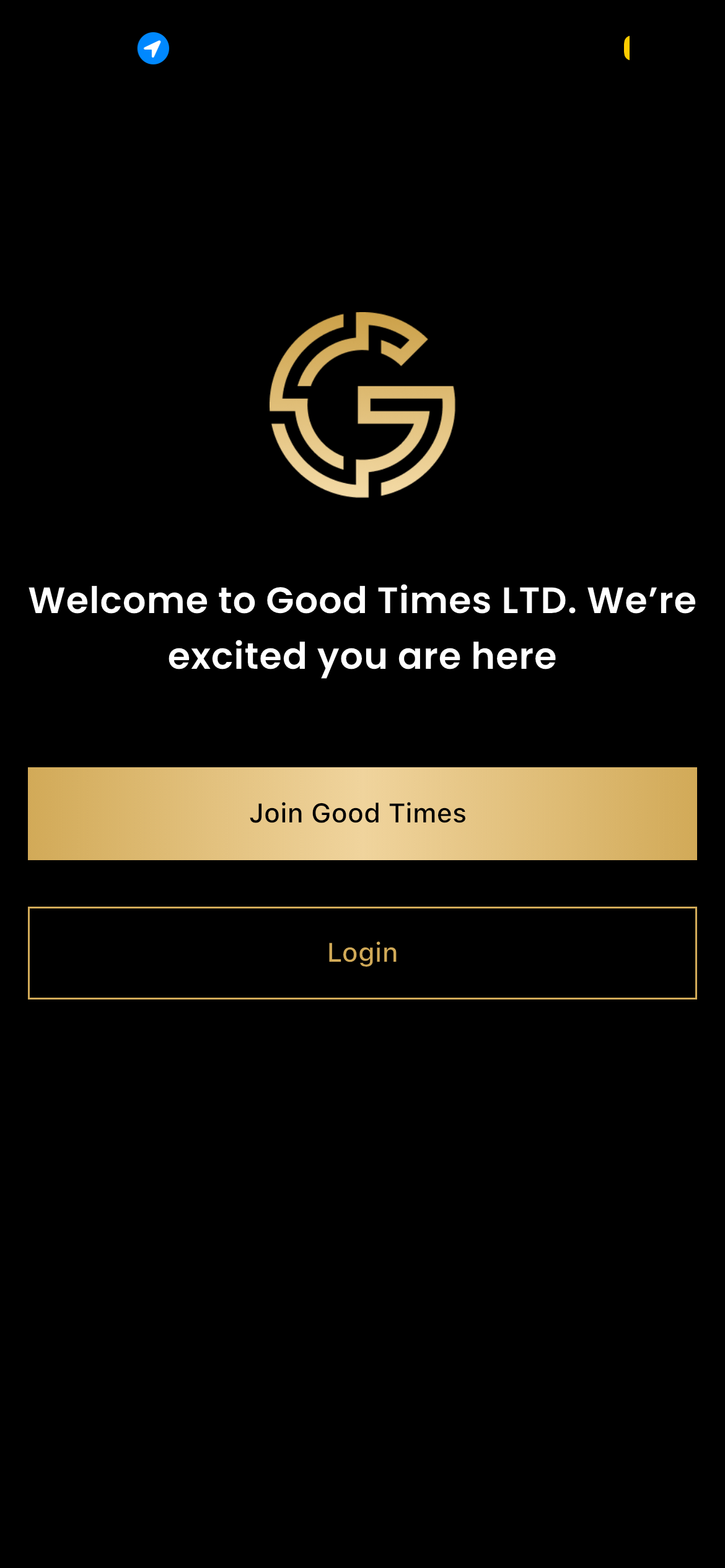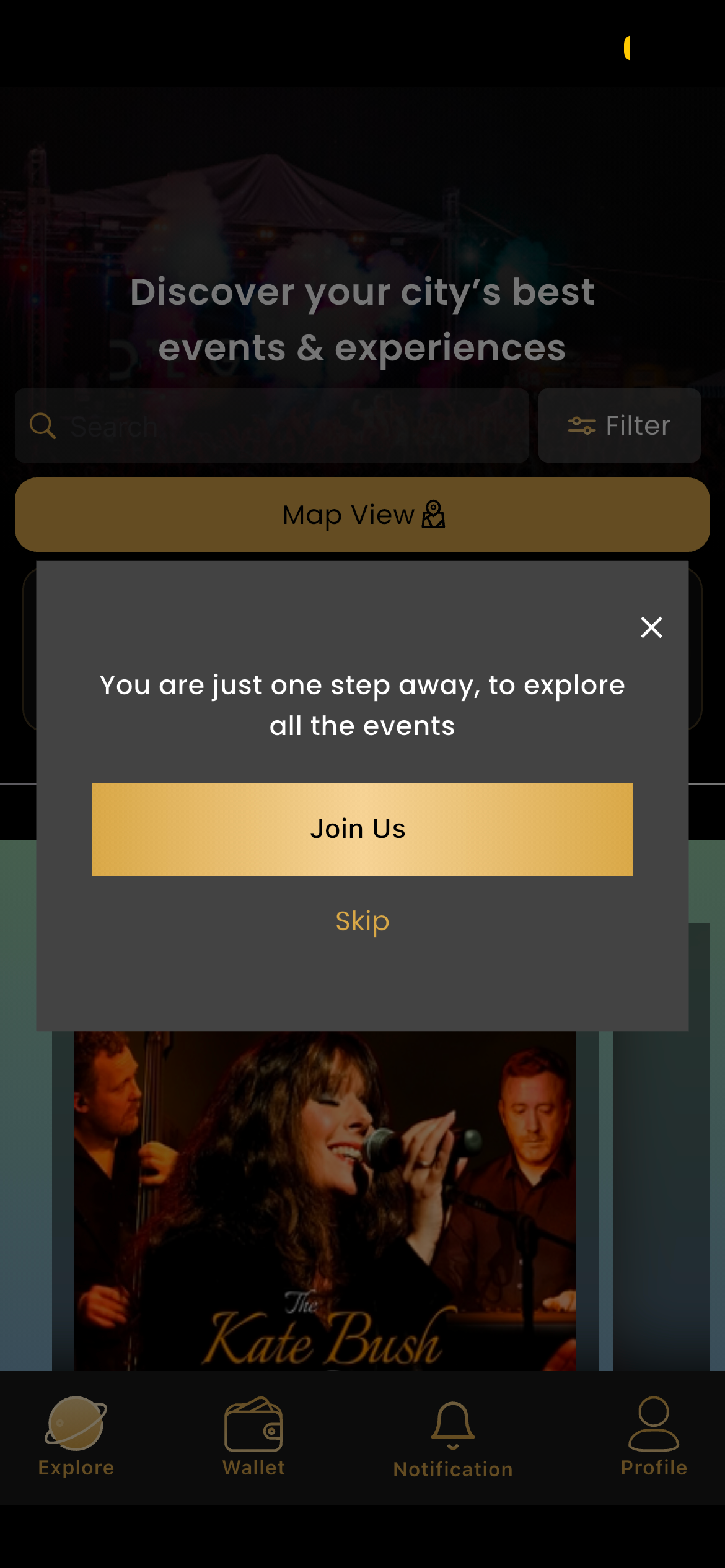







Product Discovery
We begin by clarifying the product problem, the intended users, your business objectives, your assumptions and your constraints. Only then do we decide what the first mobile release should include.
Bring the essential version of your app to market with a clear purpose and a focused feature set. WDI helps you prioritise what matters, test your assumptions with real users, and use what you learn to shape your next release.







WDI is an MVP app development company. Founders and product teams bring us an early idea, and we develop it into a mobile MVP that is focused and ready to build. Discovery, scope, design, prototyping, engineering and validation are connected along the way. This page concerns one kind of MVP: the kind where a mobile application or mobile-led experience is the primary first release. We do not define what should be built first until we have considered four things: the core user problem, the essential journeys, the technical dependencies and the assumptions that need testing.
We begin by clarifying the product problem, the intended users, your business objectives, your assumptions and your constraints. Only then do we decide what the first mobile release should include.
Every MVP has something it needs to learn, deliver or validate. We prioritise the essential journeys and functionality around that, and we keep the first release from expanding unnecessarily.
Our designers work with a clear focus. The user journeys and interfaces they create are built around the core MVP tasks, the product requirements and the first-release experience you intend.
We turn the key product journeys into an interactive representation that your stakeholders can work through. It helps them review assumptions and refine the experience before full development.
Our team validates the agreed functionality, the key journeys and the release requirements. That happens before the MVP moves into its intended launch environment.
We prepare the agreed MVP for release. That covers deployment, handover and operational-readiness activities, as the project scope defines them.
A mobile MVP is only the first stage of a wider product journey. Validated requirements will move beyond the first release, and our related services can support what comes next: product definition, alternative delivery approaches, AI integration and continued engineering.
Shared development suits some future requirements well. For those products, we extend the MVP across mobile platforms.
On occasion, a PWA is the better fit for the first product experience. We consider browser-led delivery in those cases.
We use a headless CMS only where an approved content-management requirement supports the mobile product.
Reusable interface patterns keep a product consistent as its experience expands. We create those patterns for you.
We add AI capabilities where validated product needs and available information justify their use.
We add defined engineering capacity as your MVP moves into continued product development.
The approved product scope determines which supporting environment and deployment requirements we address.
What makes an MVP useful is what it needs to prove or deliver. The number of features it contains is beside the point. We are the startup app development company that helps your team make the product, scope and engineering decisions that keep a mobile first release focused.
Discuss Your MVPIt should include the smallest coherent set of journeys and functionality. We prioritise what is required to serve the intended user, test important assumptions or support the first meaningful product outcome.
Enhancements, edge cases and future ideas can wait. We separate them from the essential first-release requirements, so the MVP stays focused and we still keep sight of what may follow.
That depends on the primary need. Discovery, journeys and prototyping point to MVP & Product Design. MVP App Development is for requirements that progress into engineering, testing and release.
Intended users, device needs, product experience and roadmap decide the delivery approach. We route browser-led products to the relevant web or PWA service.
We ask one question: does AI genuinely improve the first product experience? Introducing it later would reduce early complexity and still preserve the opportunity for future integration.
We keep the likely next steps in view while defining architecture, data, integrations and product decisions. What we will not do is overengineer the MVP around future requirements that are uncertain.
We take your initial concept through to a focused mobile first release. That means defining the users, journeys, priorities and technical requirements, plus the assumptions the product needs to test.
We introduce AI into a new product where it supports a core mobile product need. We must also be able to define the required information, the evaluation approach and the operating controls.
Portal functionality is sometimes necessary to the first product experience, and we support mobile-led customer journeys of that kind. A portal that is itself the primary standalone platform requirement is a different matter.
We connect the mobile MVP with the existing systems it needs. Two things must hold: suitable interfaces, permissions and integration paths are available, and the connection is essential to the first-release experience.
Reducing repetitive activity can be part of an MVP's core proposition. We include focused mobile workflow automation for those products, and leave out automation that would create a separate enterprise-software requirement.
We provide essential product or operational views. These are included where reporting directly supports users, operators or evaluation of the mobile first release.
Acquisition, enquiry or lead-management workflows can be built into a mobile MVP in focused form. We do this where they directly support the first-release business model and the intended user journey.
Not every project is a mobile-led MVP. We route projects whose primary requirement is enterprise software to WDI's Software Development service.
Users, workflows, information and operating environments differ from one industry to the next, and mobile MVP priorities change with them. We can shape the first release around the product problem in each industry context. Scope, dependencies and validation requirements stay specific to the mobile product being proposed.
We establish a clear view of the user, the business problem, the product objective and the assumptions behind the proposed MVP.
We establish a clear view of the user, the business problem, the product objective and the assumptions behind the proposed MVP.
We prioritise essential journeys and functionality, and keep first-release needs separate from the wider roadmap.
We prioritise essential journeys and functionality, and keep first-release needs separate from the wider roadmap.
Key user journeys take shape here. Important experience assumptions are tested before you commit to full implementation.
Key user journeys take shape here. Important experience assumptions are tested before you commit to full implementation.
We define the product architecture, backend, APIs, data and integrations that the agreed release requires.
We define the product architecture, backend, APIs, data and integrations that the agreed release requires.
We develop the prioritised functionality progressively, so you can review the product against the agreed scope.
We develop the prioritised functionality progressively, so you can review the product against the agreed scope.
The agreed journeys and release requirements are tested. Then we prepare the MVP for its intended users.
The agreed journeys and release requirements are tested. Then we prepare the MVP for its intended users.
What happens after the first release is decided by product evidence, user feedback and business priorities.
What happens after the first release is decided by product evidence, user feedback and business priorities.
We keep MVP technology deliberately simple. The approach should support the first product without unnecessary complexity. In defining the initial technical foundation, we consider the intended mobile experience, integrations, information, deployment requirements and the likely roadmap.
The initial architecture is defined around core product journeys, integrations, information and the operating requirements we can foresee.
Product experience, device requirements and roadmap priorities decide which mobile engineering approach we choose.
We build the supporting application logic that the agreed MVP workflows and functionality need.
Your MVP must connect with approved systems, services and integrations. We develop the APIs required for that.
We structure application data around first-release requirements, access patterns and supporting product workflows.
Environment requirements are defined from three things: the MVP architecture, deployment needs and the agreed operating context.
We define release and deployment requirements that are appropriate to iterative MVP development and controlled changes.
We define relevant product measures, where appropriate, around agreed journeys, behaviours and validation questions.
The MVP's users, data and scope decide how we address access, authentication and information-handling requirements.
AI has a role in discovery, prototyping and selected first-release capabilities. It earns that role where it helps your team explore or validate a defined product requirement. Product judgement, prioritisation and release decisions remain human-owned.
AI supports our structured exploration of product information, assumptions and potential requirements.
We explore product interactions or interface concepts with AI-assisted methods, always under human direction.
Wider implementation has to be justified. We test whether a proposed AI capability provides enough product value to warrant it.
We generate defined product content where suitable controls, review and source requirements can be established.
Recommendation experiences are tested where suitable information is available for meaningful evaluation.
Dialogue can be a useful route to information or tasks. We explore conversational experiences in those cases.
We automate suitable early workflows and keep clear ownership, exceptions and required human review.
Suitable interaction information reveals patterns, and those patterns may inform subsequent product decisions.
A fraction of what we have shipped.
Share the goal, the users and the systems involved. We'll come back with a considered approach.
Verbatim excerpts from documented client feedback. Ratings are not shown until an underlying review source verifies them.
Beyond the first release, a mobile MVP may lead into broader mobile, software, AI, web, design or team requirements. These WDI capabilities point you to the appropriate specialist service for that stage of the roadmap.
We evaluate AI capabilities for products, software and workflows, and implement them where AI supports a defined need.
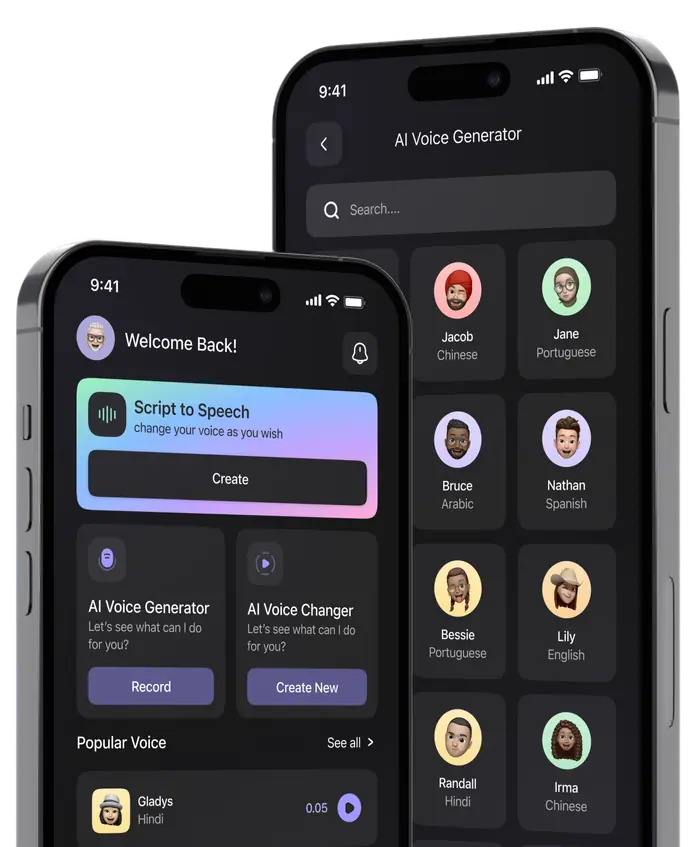
Our mobile team plans, designs, engineers and evolves products around users, business requirements and technical constraints.
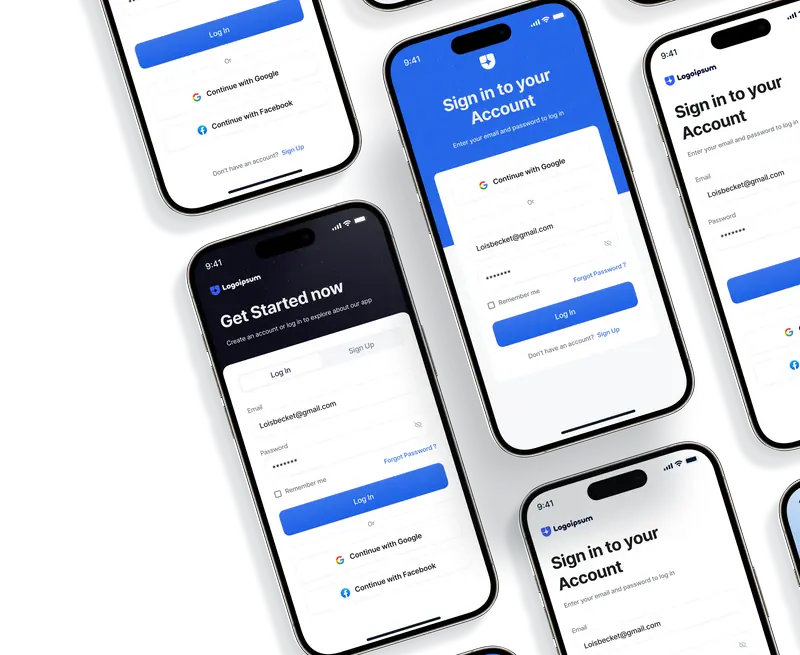
We build purpose-specific software platforms and systems around business processes, integrations and operating requirements.
Our web team creates applications and digital experiences that support wider product and software requirements.
User journeys, interfaces and product experiences are defined before engineering starts, or alongside it.

We add engineering capacity to an established delivery environment, with roles and responsibilities defined.
Our software approaches are organised around the operational or product problem your organisation needs to solve.
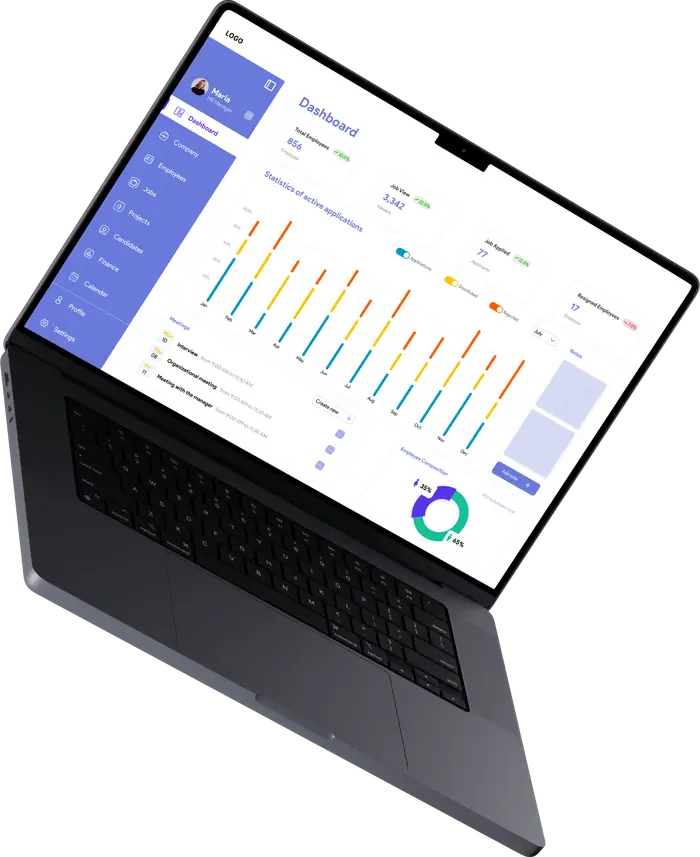
We have a broad delivery history behind us, and it gives us useful context for planning product scope, dependencies, priorities and development trade-offs.
Our discovery starts with the business. It connects product requirements with the operational or customer problem the application is intended to address.
User roles, integrations, workflows and future requirements all inform how we shape the application's architecture and development approach.
We consider access, data handling, performance expectations and other relevant operating requirements during planning. What we cover follows the product and the agreed scope.
Commercial goals, user needs and engineering decisions are weighed together whenever we define a major product choice.
Discovery, design, engineering, validation, deployment planning and continued product evolution can be treated as connected parts of one delivery relationship.
These answers cover MVP scope, feature prioritisation, the difference from MVP & Product Design, timelines, AI, integrations, choosing a partner and what happens after launch.
If your question is not answered here, a mobile product specialist can address it directly in a consultation.
An MVP should include the smallest coherent set of functionality that does two jobs: serving its intended users, and testing the most important product assumptions or business objective. It should not simply contain an arbitrary percentage of the eventual feature list.
Start with three things: the core user problem, the essential journey and what the product needs to learn or accomplish. A feature that does not materially support those goals can usually stay on the later roadmap until evidence justifies its priority.
The difference lies in where the work is heading. MVP App Development is appropriate when discovery and design progress into engineering, testing and a mobile first release. MVP & Product Design is the better fit when product definition, UX, validation and prototyping are the primary requirement, with implementation possibly following separately.
There is no reliable universal timeline, and we would not claim otherwise. Duration depends on scope, user journeys, integrations, technical dependencies, design maturity and release requirements. We define the MVP first because that gives a stronger basis for planning than a generic estimate.
Yes, where AI supports a core product need and we can establish the required information, evaluation criteria and operating controls. AI that is secondary to the proposition may be better introduced later.
Yes, where suitable APIs, permissions and integration routes exist. A mobile MVP can then connect with the systems it requires. The key question is a different one: is that integration essential to the first release, or can it reasonably be deferred?
Look for a startup app development company that helps clarify your product scope and challenges unnecessary first-release features. It should connect design decisions with engineering realities too. A company that simply converts a feature list into code falls short of that standard.
Evidence should drive the next stage, not the original feature wish list alone. User feedback, product behaviour, business priorities and technical findings can help determine whether to improve, expand, reposition or reconsider parts of the product.
Tell us about your mobile product idea. Include your intended users, known requirements, existing systems and the assumptions you need the first release to test. We will review the product objective, scope, dependencies and implementation considerations, and then discuss an appropriate next step with you.