01 — WORKFLOW
Explore
service
Workflow Automation Software
We structure repeatable processes around tasks, approvals, exceptions and information flows.

Put AI to work on specific business challenges, from finding information to assisting with repetitive tasks. WDI helps you select relevant use cases and build software with the data connections, review steps, and user controls those tasks require.








WDI is an AI software development company. We help businesses introduce AI into custom software, in places where it improves a defined product capability, workflow or operational task. Our AI software development services cover AI-assisted experiences, software integration, information handling, workflow support and model-enabled functionality. Implementation waits until we've considered the business objective, the available information, privacy requirements, your existing architecture, integrations and evaluation criteria. We also establish where human review or fallback behaviour remains necessary.
The AI capability is only part of the system. AI software often depends on workflow, internal tools, modernisation, SaaS, web, design and deployment requirements, and these related services support that wider system.
We structure repeatable processes around tasks, approvals, exceptions and information flows.
Internal interfaces are built around AI-assisted workflows, information and operational reporting.
Architecture or data constraints can limit practical AI integration. We improve the existing software to address them.
We build AI-enabled SaaS products where the SaaS model fits the product requirement.
AI-enabled software is delivered through browser-based application experiences where appropriate.
We create reusable interface patterns for AI-enabled product experiences as they evolve.
We address application environment and deployment requirements according to the agreed scope.
Start with the business and software requirement, not with a model choice. That is how AI software development should begin. We help you determine where AI belongs, what it depends on and how it should operate.
Discuss Your AI SoftwareWe compare AI with conventional software, workflow redesign and rules-based automation. The problem may have a simpler solution, and model-driven complexity shouldn't be added before that is known.
We identify the data or business information required, its permitted use, privacy expectations, accessibility, quality and ownership. Only then do we decide whether the proposed AI feature is practical.
Your current architecture, APIs, workflows and constraints are reviewed. The review shows which is the stronger route: targeted AI integration, software modernisation or a new application.
We define which outputs can be used directly. We also define where users should review, approve, correct, escalate or take over from AI.
Criteria are set around the actual task, such as relevance, completeness, consistency, workflow usefulness or human-review outcomes. Technical functionality alone isn't the measure.
This service is for AI that belongs inside custom software. Broader opportunity assessment, organisational AI strategy or cross-business planning goes to WDI's AI Development service.
We extend existing software with AI where integration is supported by the use case, available information, architecture, permissions and operating requirements.
Some repetitive activities involve information that needs interpretation. We use AI-assisted software for those, and business ownership and exception handling are retained.
Defined service questions or workflows are supported using defined information sources, escalation routes and appropriate human oversight.
We bring relevant operational information and AI-assisted analysis into defined reporting views, where source data and evaluation requirements are understood.
AI-enabled software is connected with existing systems where suitable APIs, permissions, information access and integration routes are available.
We plan AI-enabled business software around defined users, workflows, integrations and operating requirements. Automation and scale are not treated as automatic outcomes.
Appropriate AI capabilities are added to customer or partner platforms where the feature supports a defined user need and operating model.
We build a focused first release to test important AI assumptions, user journeys and implementation dependencies. That comes before any commitment to a broader roadmap.
Information, workflows, users and operating constraints all change what AI software requires. We can shape implementations around different business contexts while feasibility, privacy, evaluation and human oversight stay specific to the intended use.
We clarify the users, the workflow, the problem and the outcome the AI capability is intended to support.
We clarify the users, the workflow, the problem and the outcome the AI capability is intended to support.
Available information, privacy requirements, current software, APIs, integrations, permissions and implementation constraints are reviewed.
Available information, privacy requirements, current software, APIs, integrations, permissions and implementation constraints are reviewed.
We confirm whether AI is appropriate, and identify the assumptions that need focused technical or product validation.
We confirm whether AI is appropriate, and identify the assumptions that need focused technical or product validation.
Workflows, interfaces, system behaviour, human review, exceptions, fallback behaviour and evaluation requirements are defined.
Workflows, interfaces, system behaviour, human review, exceptions, fallback behaviour and evaluation requirements are defined.
We develop the agreed software and AI capabilities and connect them with the required systems and workflows.
We develop the agreed software and AI capabilities and connect them with the required systems and workflows.
Agreed software functionality and AI behaviour are tested against defined criteria before operational use.
Agreed software functionality and AI behaviour are tested against defined criteria before operational use.
We review operational evidence, changing information and business requirements to determine where refinement or expansion is justified.
We review operational evidence, changing information and business requirements to determine where refinement or expansion is justified.
AI software may combine model integration, backend services, information access, business data and system integrations. We let the validated use case and technical feasibility decide the implementation approach.
We integrate suitable AI capabilities into defined software features and workflows.
AI software is connected with defined information sources where retrieval supports the intended task.
We use model-enabled capabilities where suitable data, feasibility and evaluation requirements are established.
The application logic and services that AI-enabled software requires are built by our team.
We prepare the information flows required for AI functionality, integrations and evaluation.
AI capabilities are connected with software through defined APIs and application workflows.
We define environment requirements according to application architecture, AI workloads and agreed operating needs.
Evaluation, monitoring, ownership, permissions and review requirements are defined according to the use case.
AI can support selected software activities where it improves a defined task or user experience. Its potential value depends on information quality, implementation, evaluation and appropriate human ownership.
We support suitable business workflows, and clear ownership, exceptions and human review are retained.
AI-assisted analysis is provided for defined decisions. Appropriate human responsibility is not removed.
We help users retrieve and interpret relevant information from defined business sources.
Suitable information is used to support defined analysis where meaningful evaluation is possible.
We adapt selected software experiences where suitable user information and evaluation criteria exist.
Repetitive information handling is supported where inputs, review requirements and operating boundaries are defined.
We help users or service teams address defined questions using suitable information sources and escalation paths.
Defined employee tasks involving information retrieval, summarisation or workflow guidance are supported under appropriate controls.
A fraction of what we have shipped.
Share the goal, the users and the systems involved. We'll come back with a considered approach.
Verified feedback from founders, product owners and technology teams who have worked with WDI on product strategy, UX, interface design and digital-product delivery.
AI software may connect with broader AI, mobile, web, design or engineering requirements. These WDI capabilities give you routes to related services once the requirement goes beyond custom AI software.
We evaluate broader AI opportunities, readiness and implementation approaches across products, software and workflows.
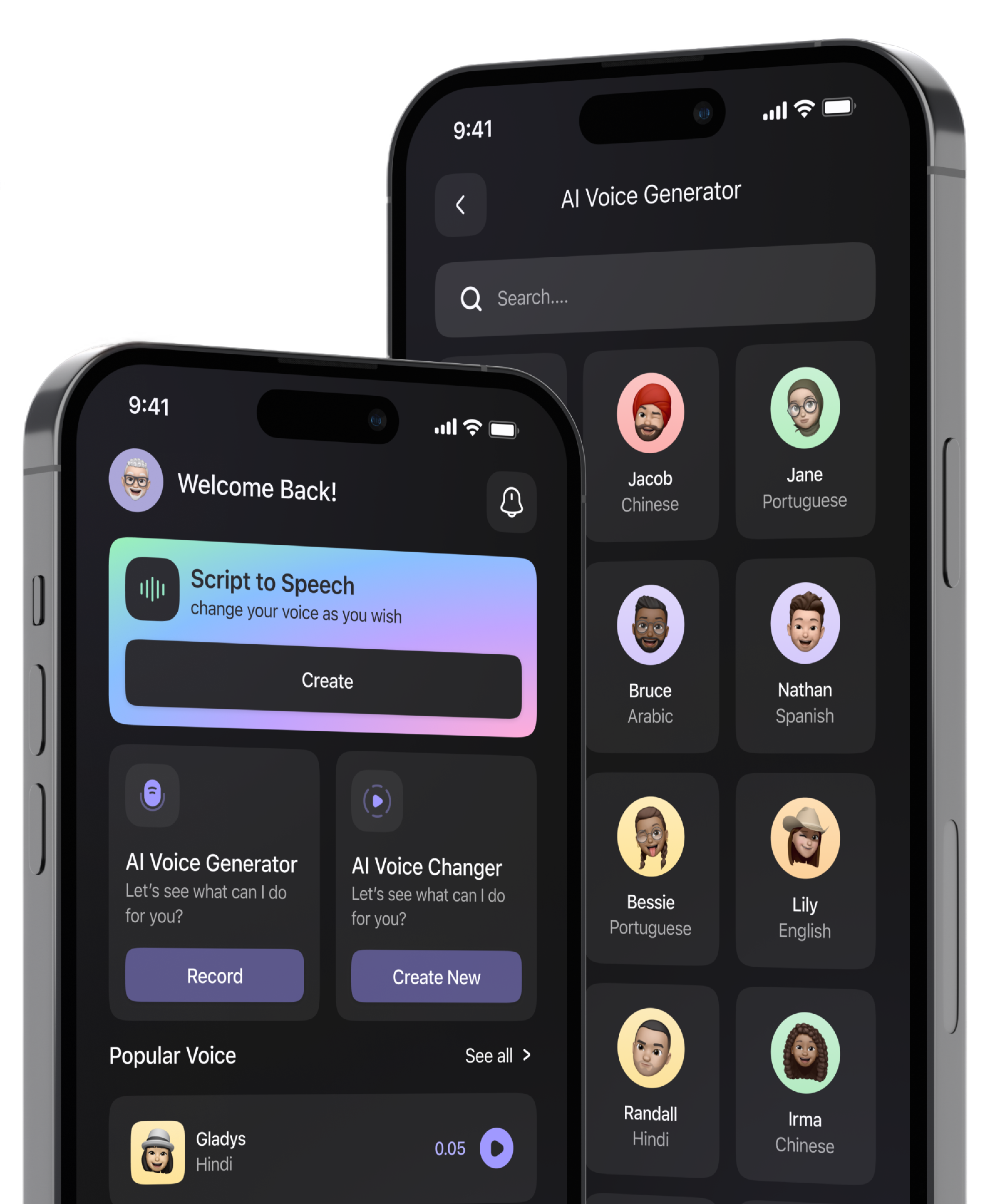
We plan, design, engineer and evolve mobile products around users, business requirements and technical constraints.
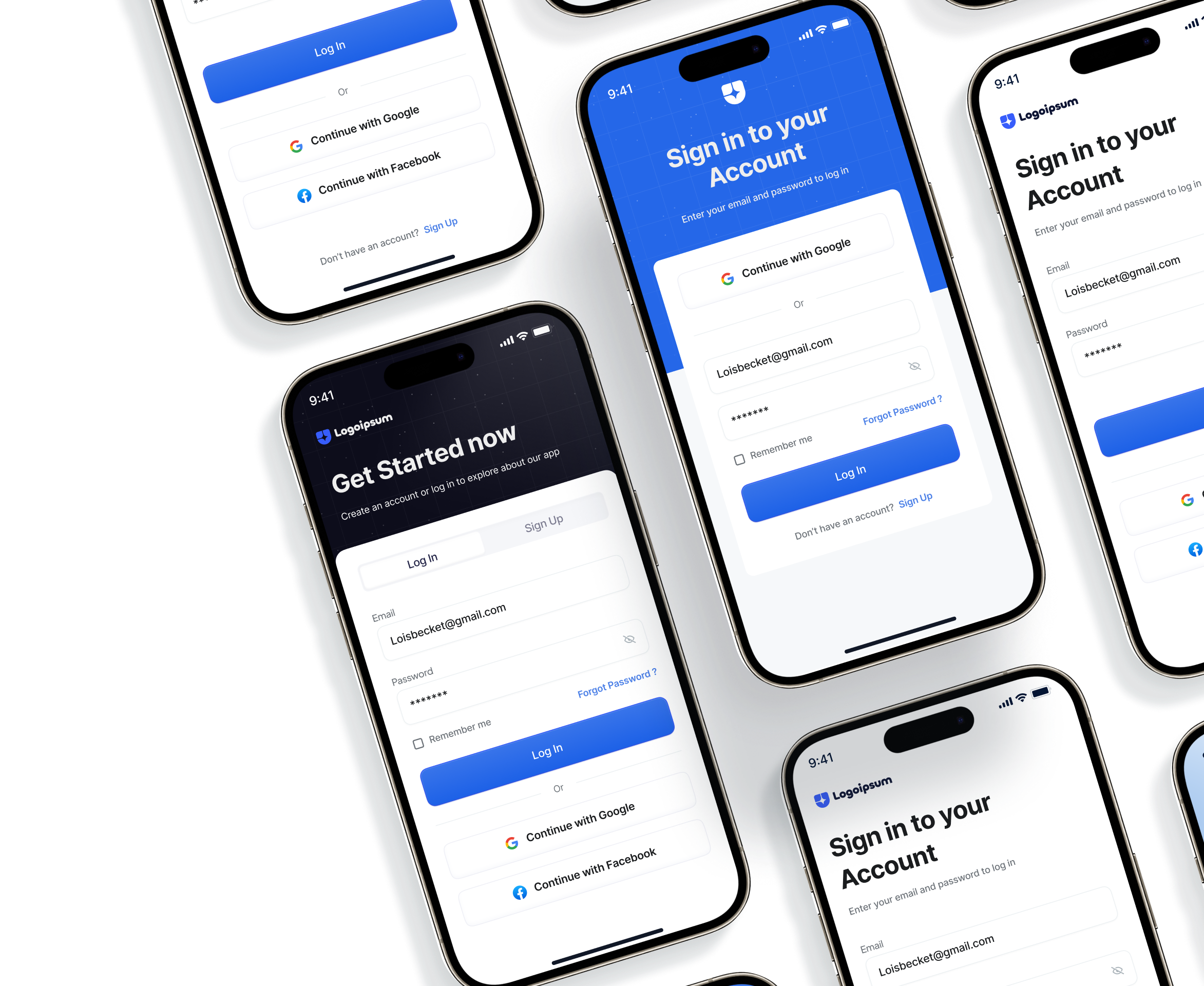
Purpose-specific software platforms and systems are built around business processes, integrations and operating requirements.
Our web applications and digital experiences support wider product and software requirements.
We define user journeys, interfaces and product experiences before engineering, or alongside it.

Engineering capacity is added within an established delivery environment, with roles and responsibilities defined.
We organise our software approaches around the operational or product problem your organisation needs to solve.
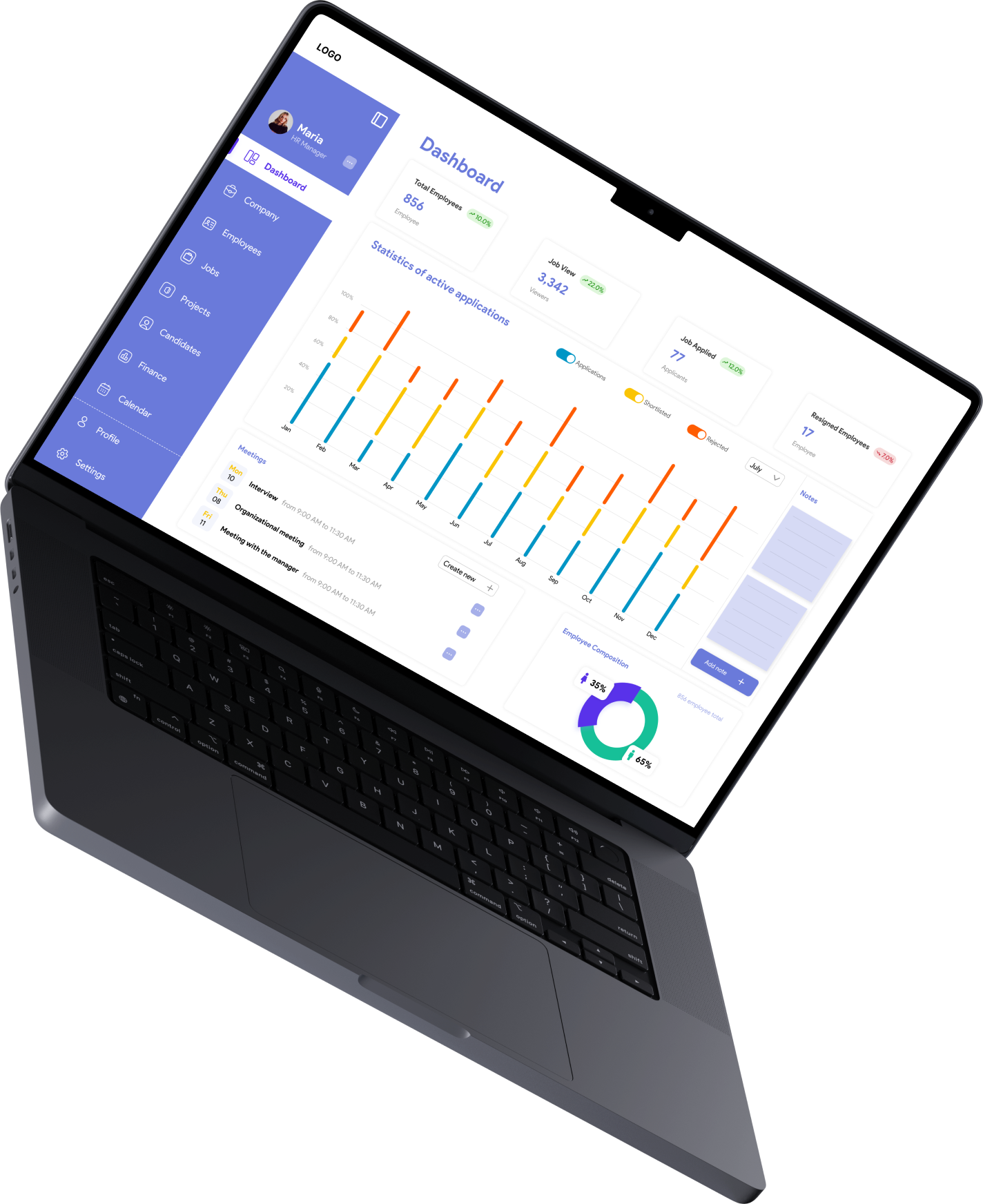
We start with the user, the workflow and the intended outcome. That business-first approach comes before an AI implementation approach is selected.
Conventional software or workflow improvements remain options. We keep them open where AI would add unnecessary complexity.
Architecture, integrations and information access are reviewed first. Then we decide whether AI should be added, modernised around or built into a new system.
Review, exceptions, escalation and fallback behaviour can be defined according to the software's operating context.
AI behaviour can be assessed against criteria connected to the actual task, not against technical functionality alone.
We treat product engineering, workflows, APIs, information and AI capabilities as parts of the same software system.
These answers explain how WDI approaches workflow discovery, automation boundaries, integrations, AI assistance and continued process improvement.
If your question is not answered here, a workflow specialist can address it directly in a consultation.
AI can be useful when software has to interpret information, support analysis, retrieve knowledge or assist users with tasks that don't fit fixed rules well. A process that is deterministic and already understood is different. Conventional software may remain preferable for it.
AI Software Development focuses on AI within custom business software, operational systems and software workflows. WDI's broader AI Development service is wider. It covers AI opportunity assessment, strategy and implementation where a custom software system is not the defining requirement.
In many cases, yes. Feasibility depends on architecture, APIs, available information, permissions, privacy requirements and operating constraints. Some applications may need targeted modernisation before AI integration becomes practical.
It varies by use case. Useful inputs may include business information, historical data, documents, workflows or existing system data. Availability, quality, permitted use, accessibility and ownership should be reviewed before implementation.
Evaluate it against the actual task. The criteria depend on the use case and may include relevance, completeness, consistency, workflow usefulness, human-review outcomes or other measures agreed during planning.
No single model fits every use case. Some outputs may be suitable for direct use. Uncertain, sensitive or consequential outputs may need review, escalation or fallback behaviour.
Look for an AI software development company that can evaluate whether AI is appropriate and understands the surrounding software architecture. It should plan integrations and information requirements, define human oversight and explain how the capability will be evaluated after implementation.
AI-enabled software should be reviewed against agreed evaluation criteria and operating evidence. Information, user behaviour, business requirements or AI behaviour may change, and that can create a need for further testing, refinement or implementation changes.
Tell us about the business problem, your existing software and workflows, the information sources and integrations involved, and the AI capability you are considering.
We'll review the use case, readiness, architecture, privacy and evaluation requirements. Then we can discuss whether AI integration, custom AI software or another approach is the appropriate next step.