
01 — MODERNISE
Application
Explore service
Application
Modernization
The broader architecture, backend, data or integration constraints affecting the existing product are addressed.

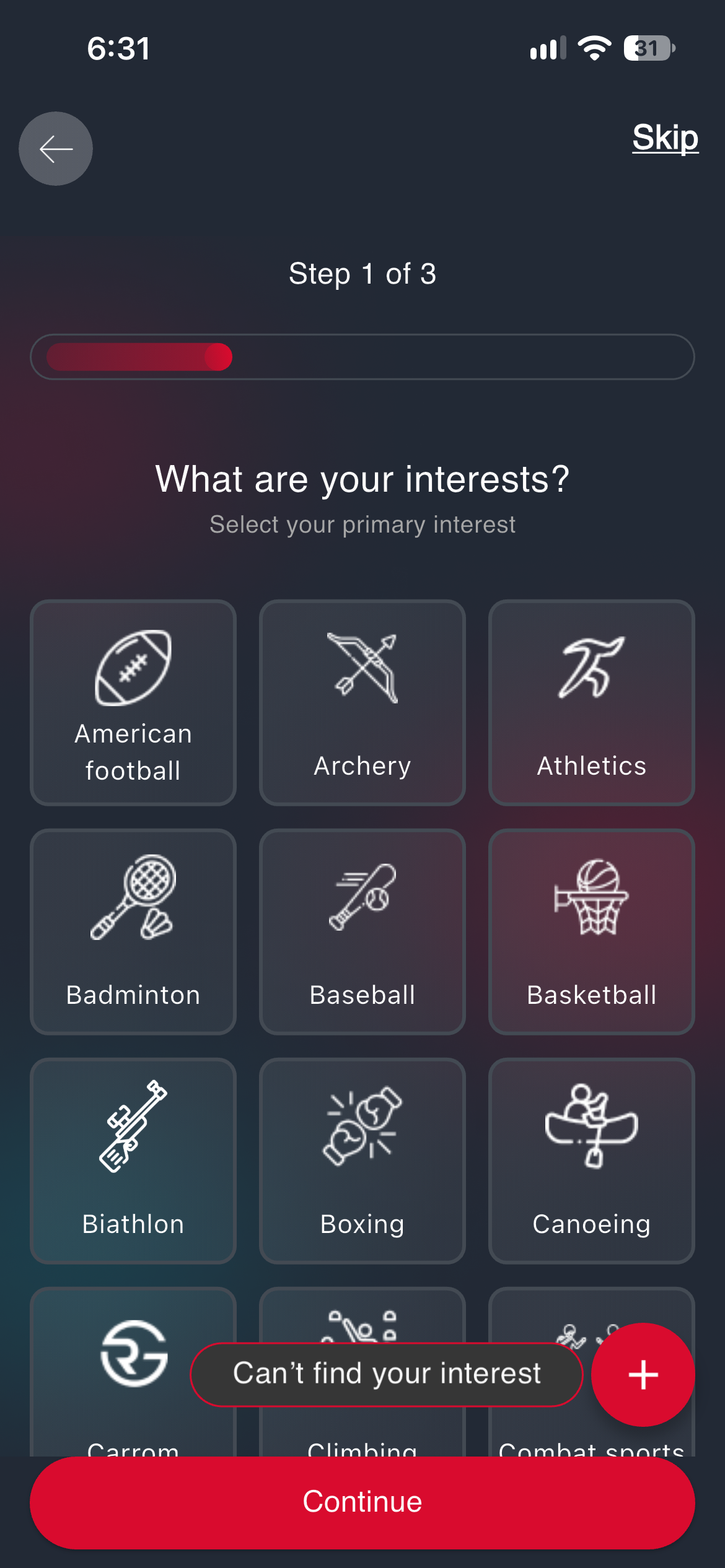
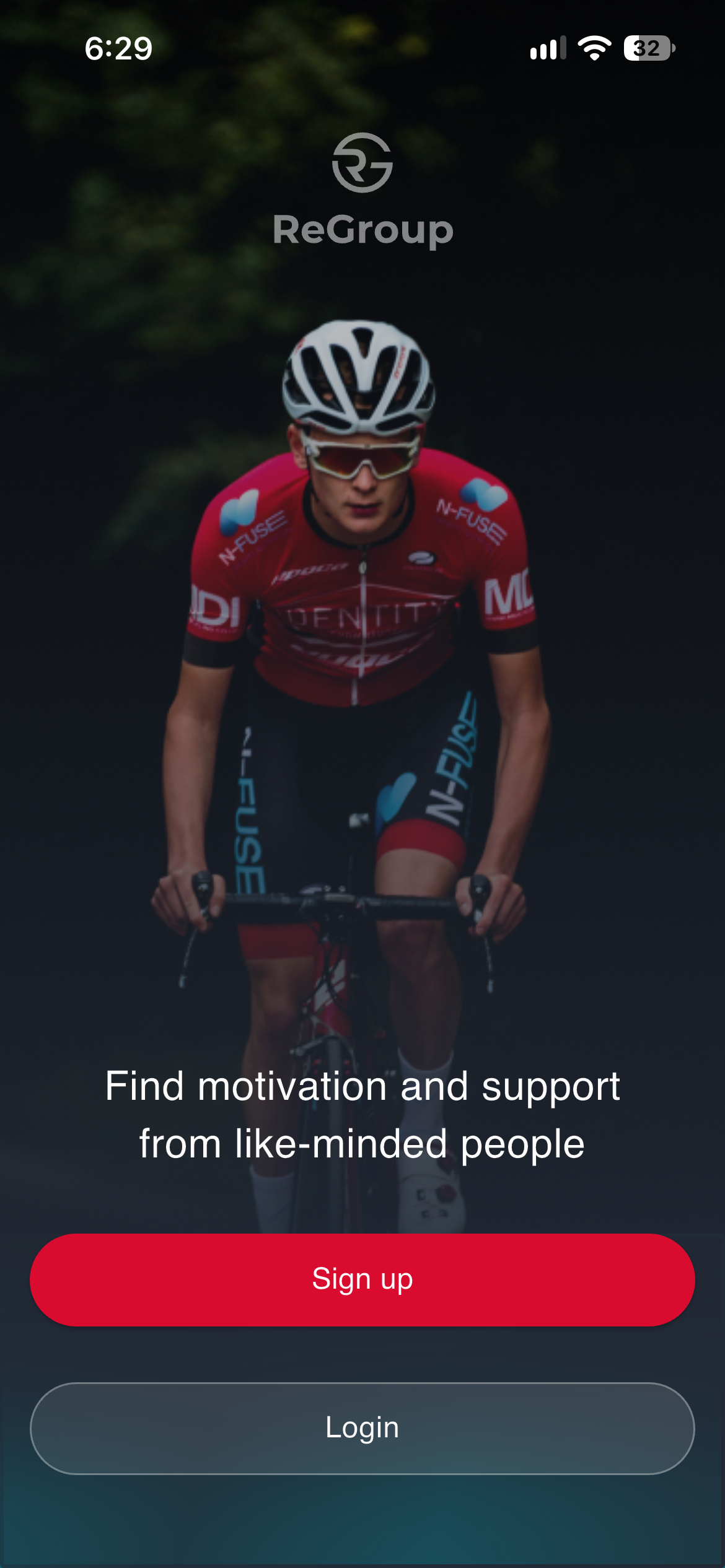
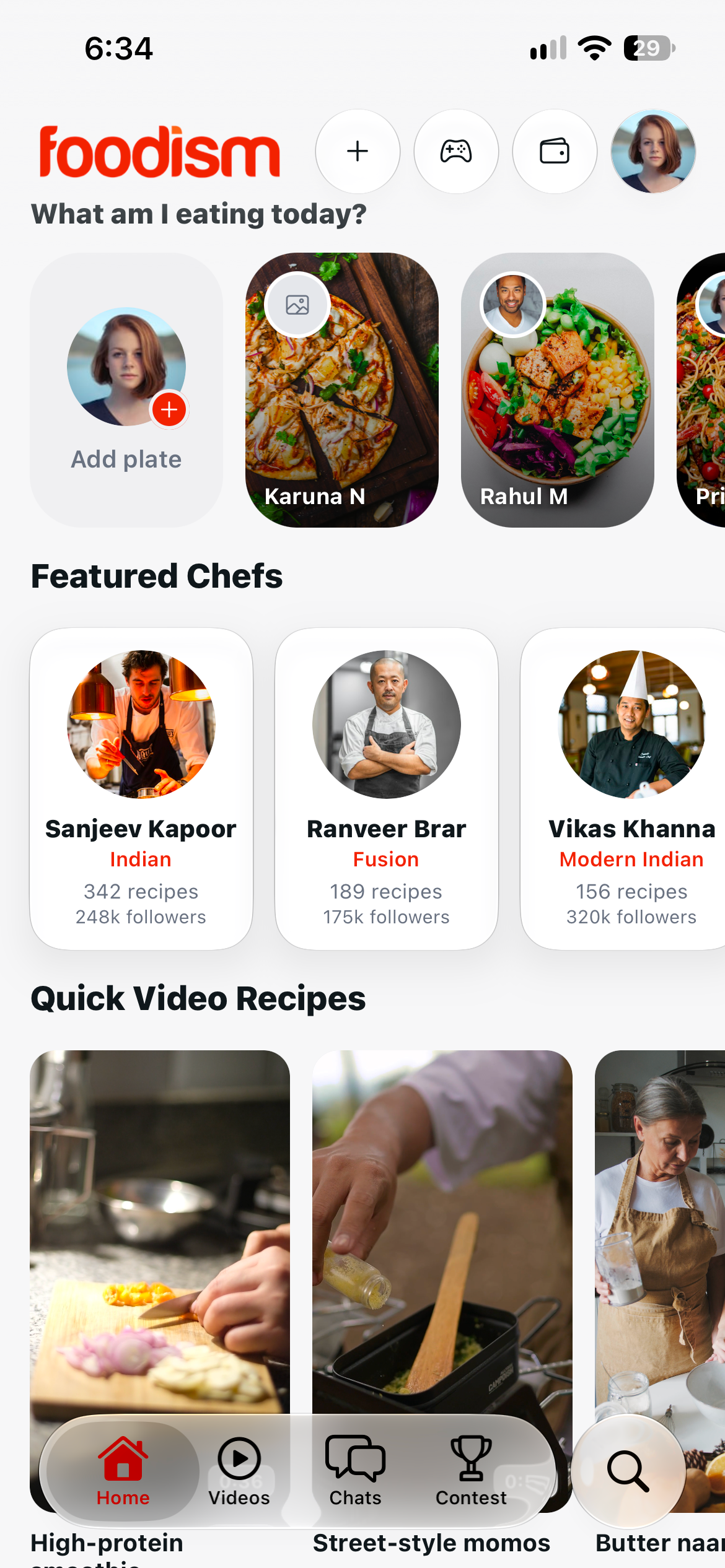
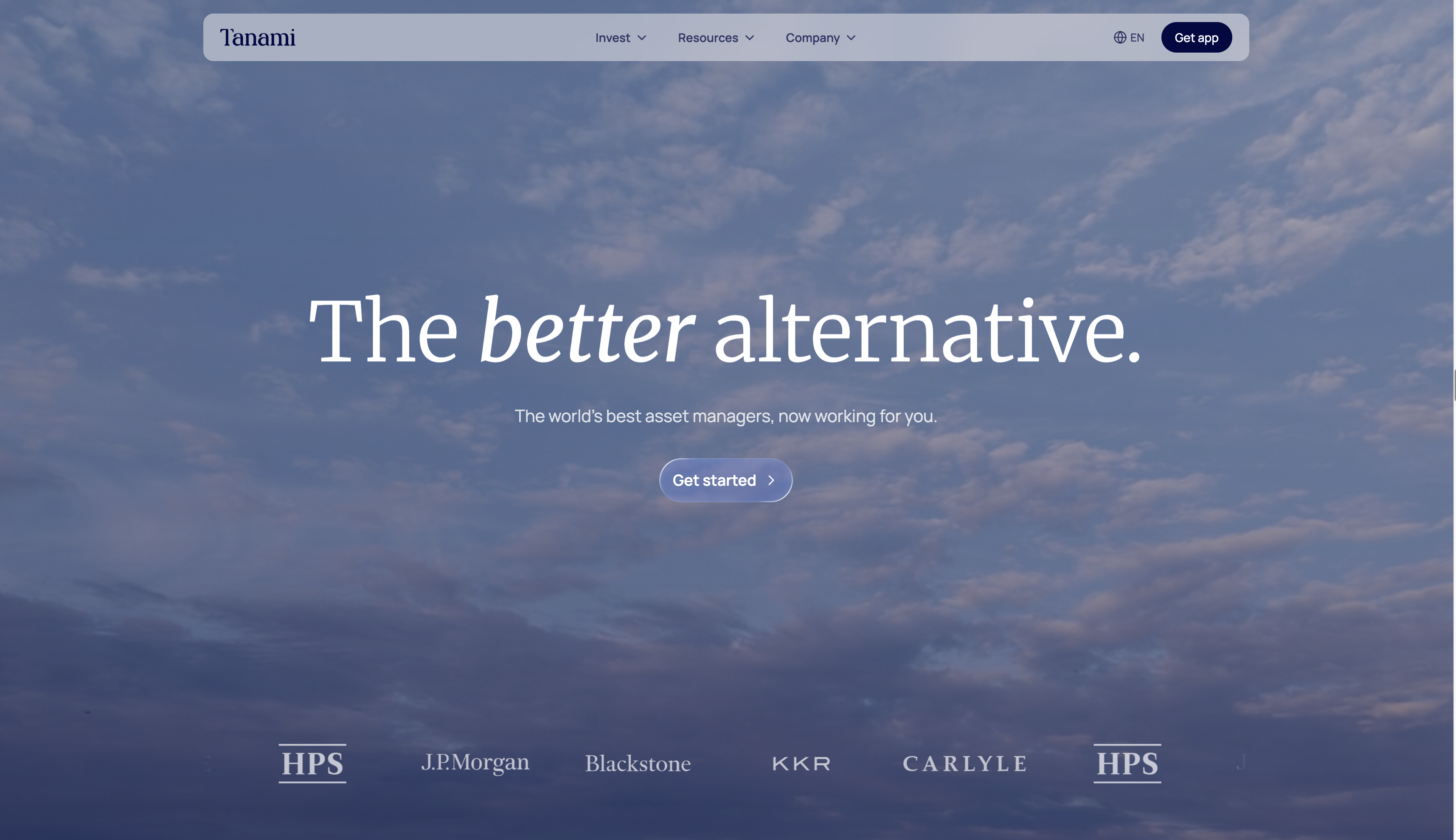
Make your existing product easier to use while preserving the workflows your customers rely on. WDI rethinks navigation, interfaces, and interactions to help established applications meet changing user expectations.






WDI's product redesign services help teams improve existing digital products by identifying where journeys, interfaces and design foundations no longer fit current needs. Product redesign can cover UX, UI, mobile, web, design-system and conversion-focused changes. Before detailed redesign begins, WDI reviews the users, current product behaviour, evidence, constraints and technical dependencies. The work then targets meaningful problems and does more than refresh the visual layer.
 01 · WDI
UX redesign reworks user journeys, navigation and interaction patterns where the current experience creates friction or no longer reflects product needs.
Discuss Your Product RedesignProduct redesign may connect with deeper software, design-system, web, mobile or cloud changes. That is the case when the experience problem extends beyond the interface.
The broader architecture, backend, data or integration constraints affecting the existing product are addressed.
Usability and journey problems are diagnosed before a commitment is made to a wider redesign.
Reusable interface foundations for products that need greater consistency and continued evolution.
Website-specific experience redesign, where the primary context is the public web experience.
Approved redesign work is implemented where browser-based engineering is required.
Approved redesign work is implemented where the mobile application is the primary product context.
Environment, deployment or cloud-delivery needs are addressed when they become part of the wider modernisation requirement.
A product can feel outdated for many reasons. WDI helps determine whether the real need is UX redesign, interface modernisation, deeper application change or a combination of these.
Discuss Your Product RedesignA UX audit comes first when the main problem is still unclear. Move into redesign when the important experience issues and the required changes are sufficiently understood.
Retain valuable product logic and working functionality where practical. Deeper rebuilding should be considered only when the existing structure materially limits the intended product direction.
Product Redesign applies when the main problem is the user experience, the journeys, the interface or the design foundation. Application Modernization applies when architecture, backend, data or integrations are the primary constraint.
Identify the journeys, workflows, content and product behaviours that still serve users well. They should not be changed simply because the surrounding interface is being modernised.
Prioritise the redesign around high-value journeys, known friction, product objectives and implementation dependencies. Not every screen deserves equal weight.
Product Redesign suits broader digital-product experiences. Website UI/UX Design suits cases where the main requirement is a website, marketing site or web-led content experience.
Product redesign services can support wider product change when an existing experience, software foundation or workflow no longer fits current needs.
The product experience is improved while deeper software, architecture or integration changes are handled through the broader modernisation route.
Explore solutionOnce the current experience, information and product constraints are understood, we assess where AI may improve a defined user task.
Explore solutionProduct journeys are redesigned where users currently depend on fragmented systems or disconnected information flows.
Explore solutionWe modernise customer or partner experiences where access, workflows and supporting product structure need broader change.
Explore solutionUser-facing workflow experiences are improved where manual or fragmented operational processes create product friction.
Explore solutionReporting and information experiences are redesigned where users need clearer access to the data that supports decisions.
Explore solutionWe modernise role-based business products where complex workflows, permissions and information shape the interface.
Explore solutionImportant customer journeys are improved where UX, content or interaction friction may be limiting progression towards enquiry or action.
Explore solutionRedesign priorities vary with user roles, workflows, information and operating context. WDI can modernise digital-product experiences across industries while keeping recommendations specific to the actual product.
A review of the users, the important journeys, the current product structure, the available evidence and the known constraints.
A review of the users, the important journeys, the current product structure, the available evidence and the known constraints.
Cosmetic concerns are separated from deeper UX, workflow, content or product problems.
Cosmetic concerns are separated from deeper UX, workflow, content or product problems.
We decide which journeys, behaviours and product elements should be retained, improved or rethought.
We decide which journeys, behaviours and product elements should be retained, improved or rethought.
Important flows, navigation, interactions and interface structure are reworked around current user and business needs.
Important flows, navigation, interactions and interface structure are reworked around current user and business needs.
The visual patterns, components and design foundations required by the approved redesign direction are refined.
The visual patterns, components and design foundations required by the approved redesign direction are refined.
We evaluate the redesigned experience against the product requirements, the evidence available and the implementation constraints.
We evaluate the redesigned experience against the product requirements, the evidence available and the implementation constraints.
The approved redesign is translated into clear design outputs and requirements for engineering or further modernisation work.
The approved redesign is translated into clear design outputs and requirements for engineering or further modernisation work.
Product redesign combines UX, interface and delivery considerations. The exact methods should follow the product problem, not a predetermined design toolkit.
Reusable interface components, structured around the redesigned product experience.
We design important product journeys around supported screen contexts and interaction needs.
Interface patterns and reusable foundations are improved as the product evolves.
Approved redesign outputs are prepared for implementation by engineering teams.
Selected interface considerations are reviewed during redesign, and we identify where deeper specialist work may be required.
Available product evidence helps prioritise redesign questions and assess important journeys.
Loading, responsiveness and interaction behaviour are considered where they materially affect the product experience.
We connect approved redesign outputs with the requirements needed for implementation.
AI can assist selected redesign activities where it helps teams review information, explore alternatives or identify opportunities. Human product and design judgement remain central.
AI helps organise suitable product evidence or interface observations for human review.
We explore where personalised experiences may support a defined user need, given the information available.
We consider whether improved search or information access may support the redesigned product experience.
Conversational interactions are explored where they address a defined user task and product need.
AI serves as one input when selected accessibility considerations are reviewed.
Suitable product information helps identify patterns relevant to redesign decisions.
AI supports the drafting or review of selected interface content, under human judgement.
Once the underlying redesign problem and dependencies are understood, we identify where AI may add useful product capability.
A fraction of what we have shipped.
Product redesign can lead into broader design, software, mobile, web, AI or delivery requirements, depending on what the existing product needs next.
We evaluate AI opportunities where intelligence supports a defined product, workflow or user need.
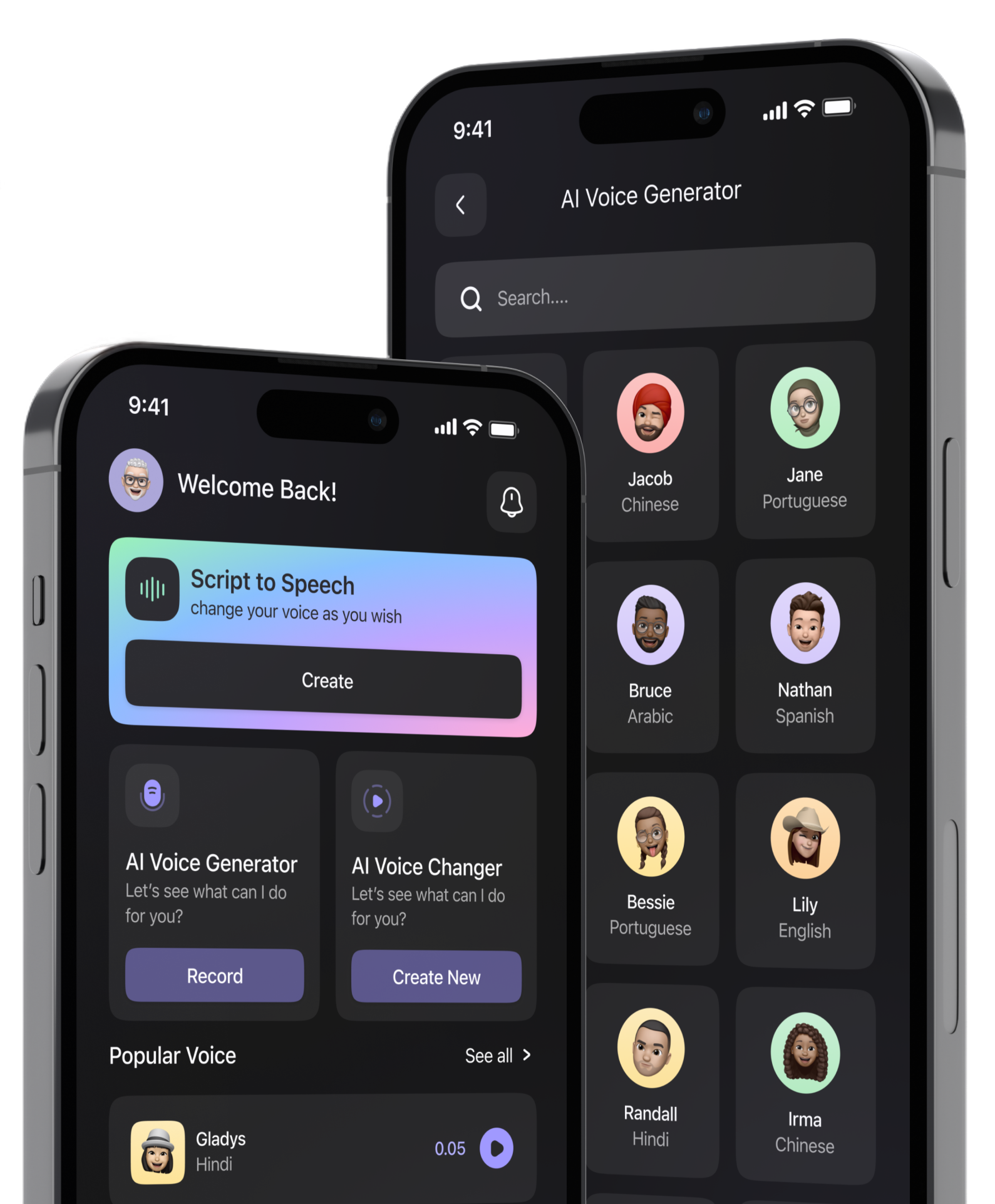
Approved redesign work is implemented where mobile engineering is required.
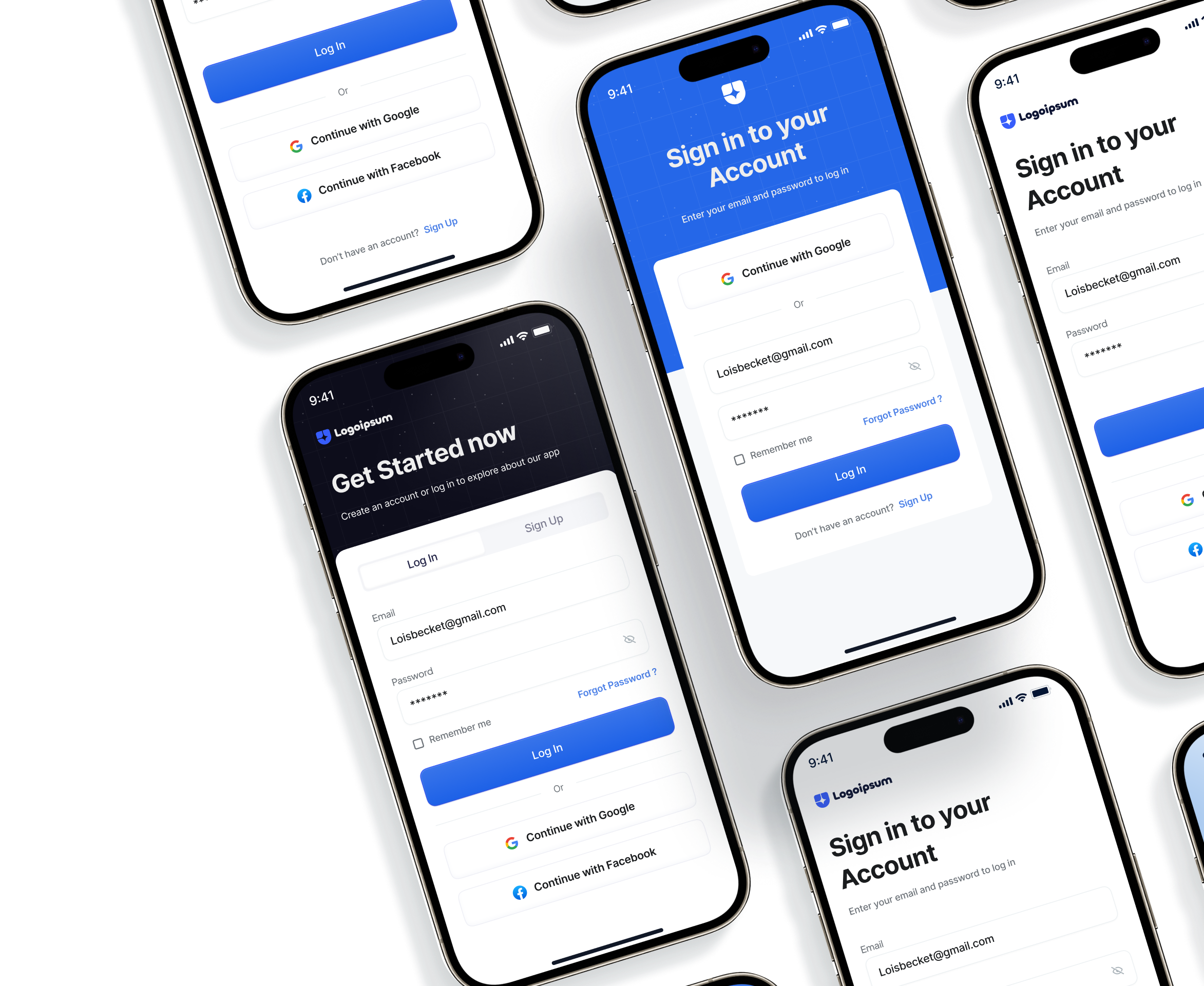
We address the deeper software, workflow or integration constraints affecting the product.
Approved redesign work is implemented where the browser experience is central.
Specialist UX, website UI/UX, product design or design-system work.

Defined design or engineering capacity, added within an established delivery environment.
Broader technology approaches, for cases where redesign exposes a wider product or operational problem.
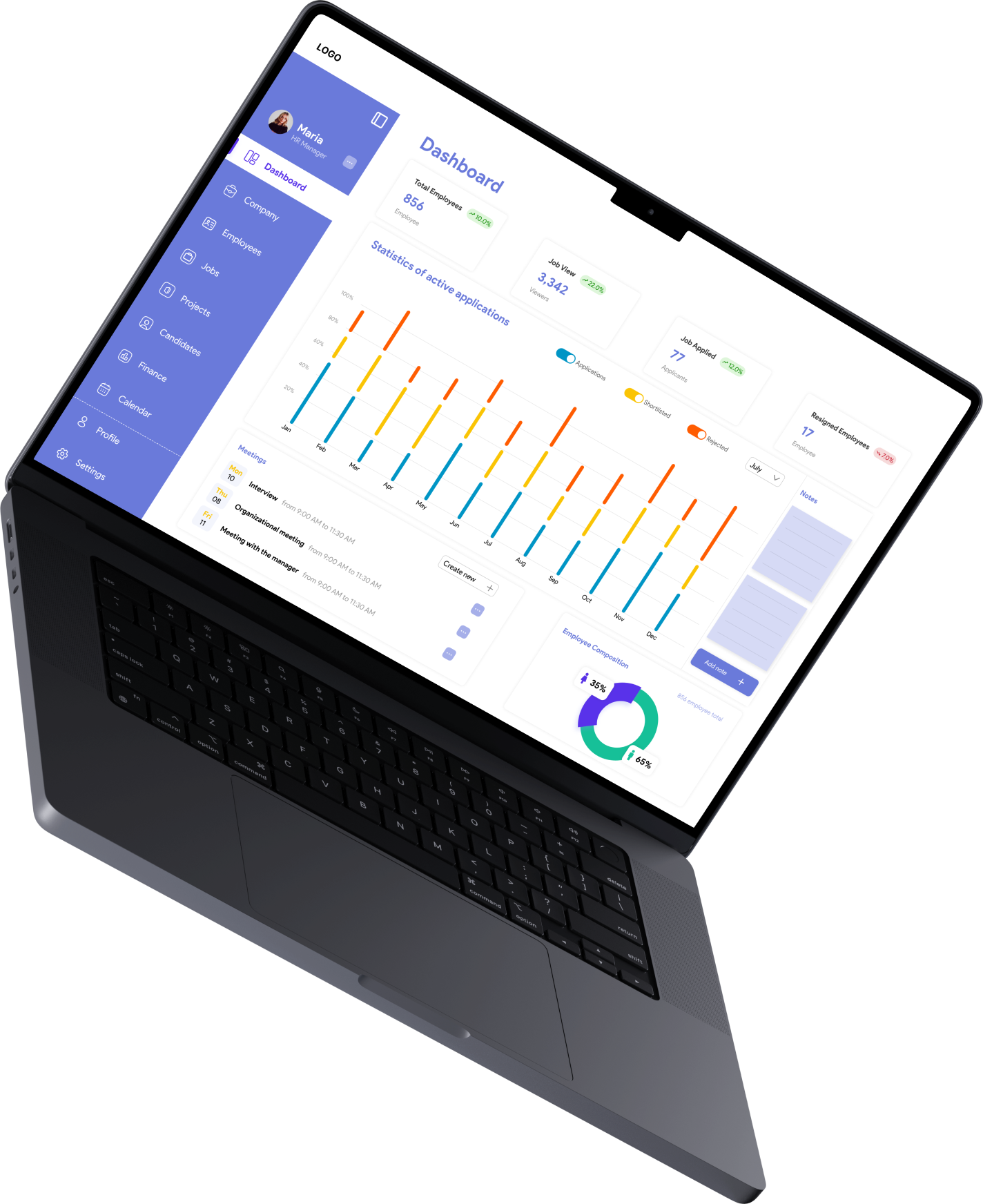
Verified feedback from founders, product owners and technology teams who have worked with WDI across strategy, design, engineering and long-term product delivery.
WDI reviews what users already rely on before deciding what should change.
Interface change is tied to defined user, product or business problems. A visual refresh alone is not the goal.
Existing functionality and workflows can be retained where they continue to support users effectively.
Redesign decisions can consider application limitations, integrations and implementation realities early.
Important journeys and interface problems can be addressed first. Not every screen needs to be redesigned equally.
Approved redesign work can provide a clearer basis for engineering, design-system or wider modernisation decisions.
Legacy product redesign is the process of improving an established digital product whose UX, interface or design foundations no longer fit current user or business needs. It can preserve valuable functionality while changing the journeys and interface around it.
A UX audit is the right choice when the main problem is still unclear. Redesign is more appropriate when the important experience issues are sufficiently understood and the product needs broader structural or interface change.
Product Redesign focuses on user journeys, interaction, interface and the product experience. Application Modernization focuses on deeper software architecture, backend, data, integrations and technical constraints. Some products may require both.
Not necessarily. A redesign can focus on the journeys, screens or interface foundations that create the most important problems. Existing parts that still work well may be retained.
Yes. WDI's product-design scope includes web and mobile interface work. A redesign can therefore focus on existing mobile or browser-based product experiences where the agreed scope supports it.
A redesign can address UX or interaction friction that affects conversion-related journeys. It should not be treated as a guarantee of commercial outcomes. Conversion performance may also depend on proposition, traffic, pricing, content and other factors.
Sometimes. If inconsistent or ageing interface patterns are limiting the redesign, modernising the design system can support greater consistency and clearer implementation. It is not required for every product.
After a redesign is approved, the next step may be design-system work, frontend implementation, mobile or web engineering, application modernisation or further validation. The route depends on the product's technical condition and the approved scope.
Share the existing product, the journeys or interface problems you want to improve, the user evidence available and any known technical constraints.
WDI will review the product and help determine whether the next step should be targeted redesign, wider UX work, design-system modernisation, engineering or deeper application modernisation.