01 — MODERNIZATION
Explore service
Application Modernization
We renew existing software where architecture, data or integration constraints are the primary problem.

Build cloud software that supports how your teams work and how your business plans to grow. WDI designs applications around your performance, access, and integration requirements, with infrastructure choices informed by resilience and ongoing costs.






WDI is a cloud application development company. We help teams build and evolve cloud-based applications around defined architecture, deployment and operational requirements. Our services can cover cloud application development, migration planning, delivery workflows, environment automation, modernisation and monitoring, where these needs fit the agreed scope. Implementation waits until we've reviewed the application, its integrations and workloads, the release process, dependencies and operating constraints. That keeps cloud and delivery decisions connected to the software itself.
The core application is often not the whole requirement. A cloud application may also need modernisation, AI, web or SaaS engineering, workflow software, internal tools or additional development capacity around it.
We renew existing software where architecture, data or integration constraints are the primary problem.
AI is added where cloud-based software supports a use case that is defined and can be evaluated.
We build browser-based application experiences connected to the wider cloud software environment.
SaaS products are developed where the delivery and product model fit the requirement.
We structure repeatable workflows around cloud-based applications and supporting systems.
Operational interfaces are built for defined application, workflow or reporting requirements.
We add defined engineering capacity for continued cloud application development and delivery work.
Cloud and DevOps decisions should follow the application. They shouldn't lead it. We help you determine what belongs in the cloud, what needs to change and which service owns the primary requirement.
Discuss Your Cloud ApplicationA cloud-based approach is the right choice when the application's operating, integration and delivery requirements justify it. Cloud adoption is not treated as an automatic architectural goal.
We review the current application, its dependencies, data and integrations first. New cloud software, migration or targeted improvement may each be the better route, and the review tells us which.
Application Modernization applies when existing architecture, business logic, data or integrations are the primary problem. This service applies when cloud environment, deployment or delivery operations lead the requirement.
Repeatable build, deployment or environment tasks are automated where this improves control and consistency. Necessary review, ownership and change-management decisions are not removed.
We define development, testing and production needs around application architecture, release process, access requirements and operating responsibilities. Environments are not created without a clear purpose.
DevOps consulting is the route when the core question concerns software delivery, deployment practices, environments or operational workflows, and not application functionality alone.
We develop cloud-based business software around defined users, workflows, integrations and operating requirements. We don't assume one architecture fits every application.
Cloud is one possible modernisation mechanism. We use it where the existing application's architecture, dependencies and future requirements justify the change.
Cloud applications are connected with existing software where suitable APIs, permissions and information flows can support the processes required.
We build a new cloud-based product where the application model, users, integrations and delivery requirements support that approach.
AI is introduced where a defined use case is supported by the cloud application, available information, evaluation requirements and human controls.
We use cloud-based software within wider operational automation where the workflows, systems and responsibilities are clearly defined.
Reporting and information access are supported where the broader architecture and source-system requirements justify cloud-based application components.
We develop customer or partner-facing platforms where cloud delivery fits the required application architecture and operating model.
Software architecture, users, workloads, integrations and operating environments all change what a cloud application requires. We can shape cloud-based applications around different contexts while technical decisions stay specific to the product.
We clarify users, workflows, architecture, integrations, workloads, delivery requirements and current constraints.
We clarify users, workflows, architecture, integrations, workloads, delivery requirements and current constraints.
Cloud application development, migration, delivery improvement or another route is chosen according to what best fits the requirement.
Cloud application development, migration, delivery improvement or another route is chosen according to what best fits the requirement.
We define application components, data, integrations, environments and delivery dependencies around the agreed scope.
We define application components, data, integrations, environments and delivery dependencies around the agreed scope.
Build, testing, release and deployment activities are planned according to the application's operating model.
Build, testing, release and deployment activities are planned according to the application's operating model.
We develop the application and implement the agreed environment or delivery requirements progressively.
We develop the application and implement the agreed environment or delivery requirements progressively.
Application behaviour, integrations, deployment workflows and agreed operating requirements are tested before release.
Application behaviour, integrations, deployment workflows and agreed operating requirements are tested before release.
We review application and delivery needs to determine appropriate improvements as the software changes.
We review application and delivery needs to determine appropriate improvements as the software changes.
Application architecture, environments, delivery workflows, integrations and monitoring all meet in cloud software. We let the workload and operating requirements decide the technology choices, not a predetermined platform or toolset.
Application structure is defined around workloads, integrations, information requirements and the intended operating environment.
We build the application logic and services that cloud-based software requires.
Cloud applications are connected with approved systems through suitable APIs and defined integration routes.
We define development, testing and production environment requirements according to the application and delivery model.
Defined build, testing and deployment workflows are implemented to suit the software environment.
We manage application configuration requirements according to agreed environments and release workflows.
Release and deployment processes are defined according to application architecture and operating requirements.
We define operational signals and monitoring requirements appropriate to the application and scope.
Access and environment permissions are defined according to responsibilities and agreed operational requirements.
AI can assist selected cloud and delivery activities where its use is justified by suitable operational information and a defined use case. Human ownership remains important for operational decisions.
We use AI to support review of suitable application or operational signals where evaluation criteria are defined.
Available operating information supports capacity review. Automated scaling decisions are not treated as guaranteed outcomes.
We help teams review suitable incident information. Diagnosis and operational decisions stay human-owned.
Suitable application information is used to assist defined analysis of cloud or delivery behaviour.
We support selected delivery tasks with AI where inputs, outputs and human verification are clearly defined.
AI assists review of suitable configuration information, under appropriate technical oversight.
We help teams retrieve relevant operational or application information from defined sources.
Suitable historical information is used to assist planning where meaningful evaluation criteria exist.
A fraction of what we have shipped.
Tell us about the software you need to build or evolve, who uses it, and the delivery constraints.
Cloud applications may connect with broader AI, mobile, software, web, design or engineering requirements. These WDI capabilities give you routes to related services once the requirement goes beyond cloud delivery.
We evaluate and implement AI capabilities where they support a defined product, software or workflow need.
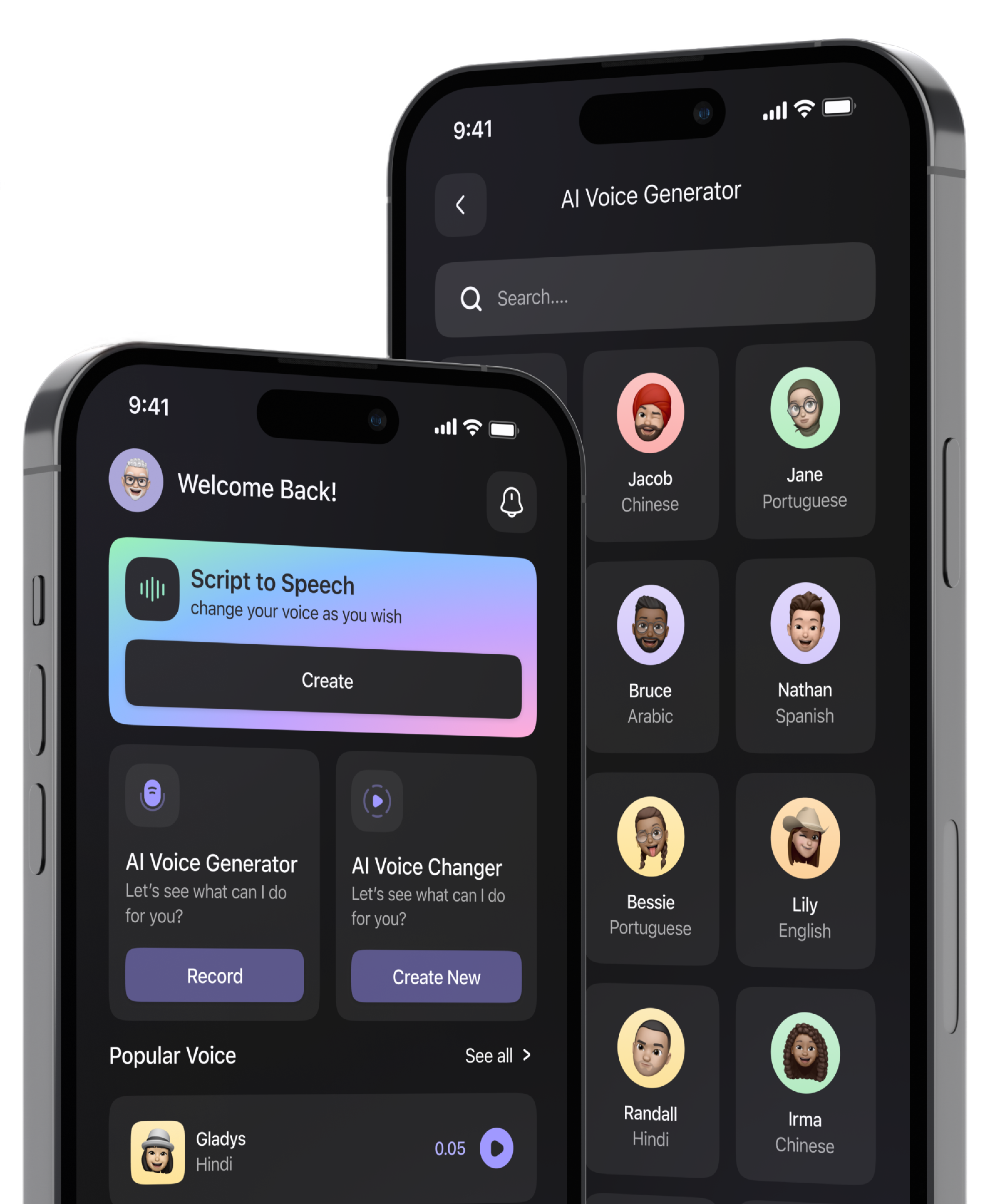
Mobile products are planned, engineered and evolved around defined users, requirements and technical constraints.
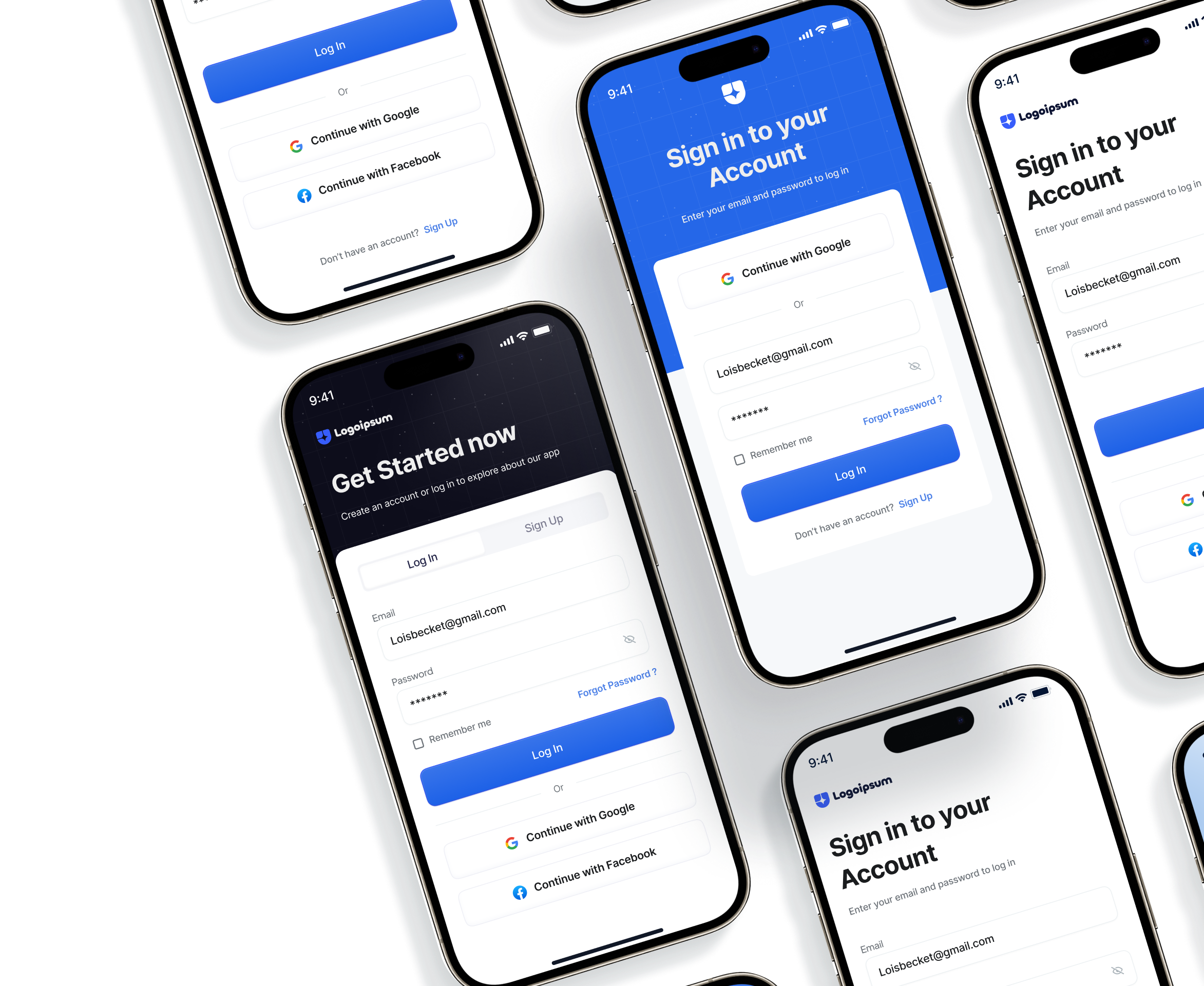
We build purpose-specific software platforms and systems around business processes, integrations and operating needs.
Our web applications and digital experiences support wider product and software requirements.
We define user journeys, interfaces and product experiences before engineering, or alongside it.

Engineering capacity is added within an established delivery environment, with roles and responsibilities defined.
We organise our software approaches around the operational or product problem your organisation needs to solve.
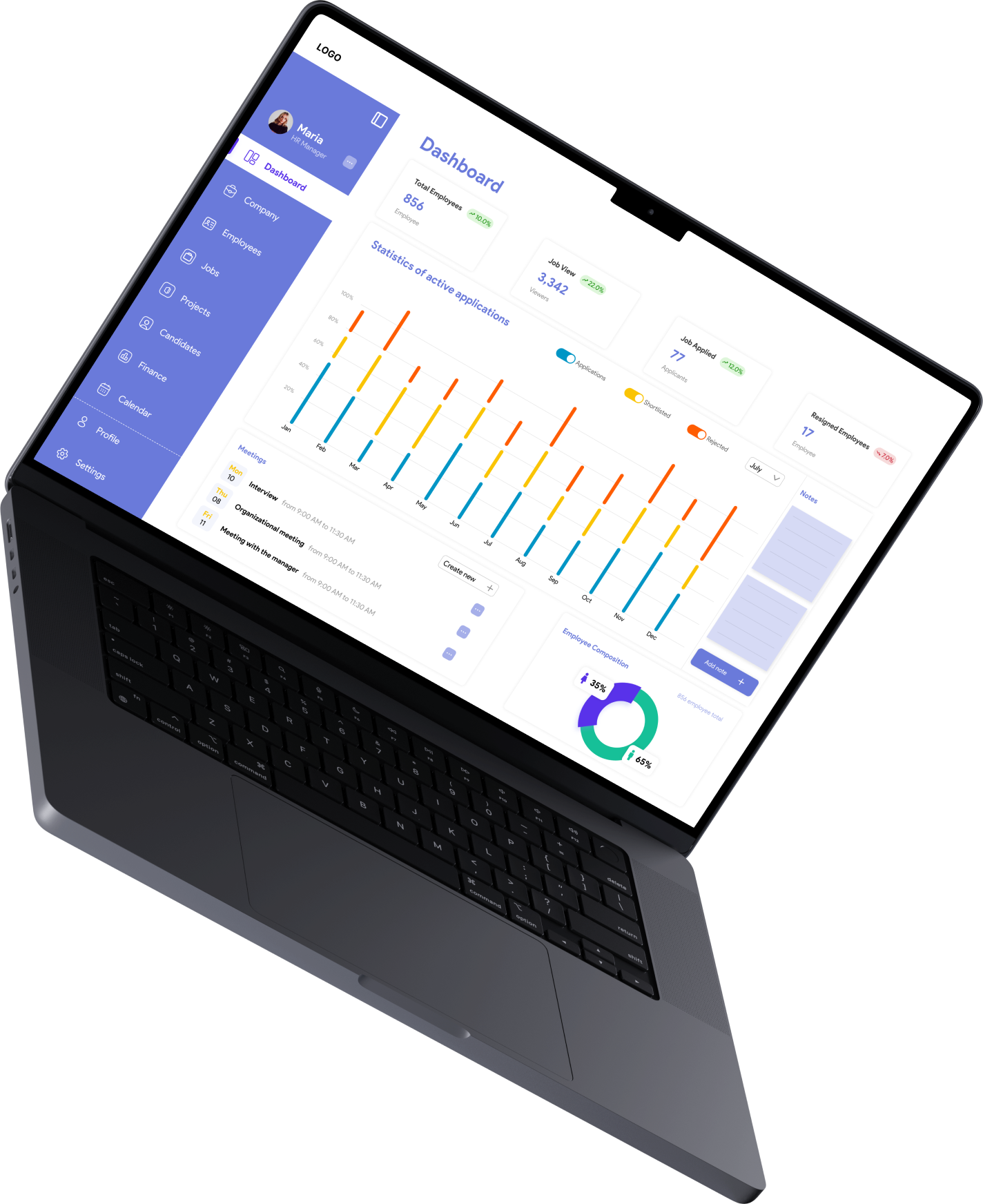
We start with what the software must support. That business-first approach comes before a cloud or delivery model is prescribed.
Cloud adoption is considered where it serves application, integration, delivery or operating requirements. It is not a default technology decision.
We consider application components, environments, integrations and release workflows together. DevOps is not treated as a separate afterthought.
Cloud applications can be planned around systems that need to remain part of the wider operating environment.
Environments, releases, access and monitoring requirements can be defined around explicit responsibilities and the agreed scope.
Architecture, workloads and roadmap priorities change. Application and delivery requirements can be reviewed as they do.
These answers explain cloud application development, when cloud software development fits, what a DevOps consulting company helps with, and how this service differs from Application Modernization.
If your question is not answered here, a cloud application specialist can address it directly in a consultation.
It is the design and engineering of software intended to operate within a cloud-based environment. Cloud application development should consider application architecture, workloads, integrations, data and deployment requirements, and how the software will be operated after release.
Cloud software development can be appropriate when the application's delivery, operating, integration or workload requirements benefit from a cloud-based environment. It should not be chosen only because cloud adoption is fashionable or expected.
A DevOps consulting company may help assess software delivery, build and release workflows, application environments, deployment practices and operational responsibilities. The exact scope should follow the application's architecture and delivery needs.
Cloud Applications & DevOps is appropriate when cloud environment, application delivery, deployment or operational workflows are the primary requirement. Application Modernization owns the broader renewal of existing architecture, business logic, data and integrations.
Potentially. The first step is an assessment of architecture, dependencies, integrations, data and operating requirements. The appropriate route depends on the application. It may be migration planning, targeted adaptation, wider modernization or another technical approach.
No. Delivery automation should match the software, release frequency, team responsibilities and operating requirements. Unnecessary automation can add complexity without solving an important application or delivery problem.
AI may assist selected monitoring, analysis, incident-review or operational tasks where suitable information and evaluation criteria are available. Operational decisions should keep appropriate technical ownership and verification.
Look for a cloud application development company that can connect application architecture, integrations, environments, delivery and operational responsibilities. It should explain why a cloud approach fits the software, and not treat cloud adoption as the goal itself.
Tell us about the software you need to build or evolve and who uses it. We'd also like to know its integrations, current environment, release requirements and known operational constraints.
We'll review the application and its delivery needs. Then we can discuss whether cloud application development, migration planning, DevOps improvement, modernization or another route is appropriate.