Design System Consulting for Products That Grow Together
Keep your digital products consistent as your teams, features, and platforms expand. WDI helps you establish reusable components, design standards, and practical documentation that make design and development easier to coordinate.
Our design system services bring reusable components, shared patterns, documentation and governance together, so your digital products can remain coherent as interfaces and teams evolve.
01 · WDI
Design System Strategy
We define the purpose, scope, ownership and priorities of your design system around the product and the teams that need to use it.
A design system should solve a real consistency or delivery problem. Creating a component library is not the goal in itself. We help your team decide what belongs in the system, how governance should work and when a smaller reusable UI approach would serve you better.
A design system is more useful when your products contain recurring patterns, multiple interface areas or teams that need shared design decisions. A smaller product may only need a focused component library.
Choose a component library when your primary need is reusable interface elements. A broader design system also covers patterns, documentation, usage rules, governance and ownership.
Standardise the repeated decisions where consistency helps your product or your team. Do not force unique journeys or specialised interactions into a shared pattern simply to increase reuse.
Choose a design system when the main problem is consistency and reuse across an established interface. Choose Product Redesign when the underlying journeys, the interaction model or the wider product experience need broader change.
Ownership should be clear enough that your teams know who reviews changes, who resolves inconsistencies and who decides when a new pattern belongs in the shared system.
Start with the components and patterns that are repeated, important and sufficiently understood. Your design system can expand as the product creates genuine new reuse requirements.
Design systems can support product modernisation, enterprise software, customer platforms and new digital products where repeated interface patterns need clearer structure. The right route depends on your product's maturity, team ownership and implementation needs, and on whether the design system itself is the deliverable.
01
EnterpriseSoftware
Solution 01
Build Scalable Enterprise Software
We create reusable interface foundations for role-based business software where recurring patterns need clearer, product-wide consistency.
Once your product direction and the important first-release patterns are sufficiently defined, we establish an appropriate reusable interface foundation.
Redesign priorities vary with user roles, workflows, information and operating context. WDI can modernise digital-product experiences across industries while keeping recommendations specific to the actual product.
Financial ServicesWe redesign product journeys where complex information, decisions, roles or trust requirements shape the user experience.
HealthcareHealthcare or wellness products are improved where clarity, roles, information handling and user journeys need stronger structure.
SaaSRecurring software workflows, navigation and role-based interfaces, modernised as the product evolves.
CommerceWe improve discovery, purchase, account and service journeys where interface friction affects the customer experience.
EducationLearning, content, progress or administration experiences, redesigned around the needs of different users.
Professional ServicesClient, account or operational software experiences are modernised around defined workflows and information needs.
LogisticsWe improve operational product experiences where status, movement, information and task coordination affect usability.
Enterprise SoftwareComplex internal or business applications, redesigned around role-based workflows, permissions and information density.
01
Client outcome
We review your existing interface, its recurring patterns, your teams and product areas, and the reasons you are considering a design system.
Stage 01
Understand the Product
We review your existing interface, its recurring patterns, your teams and product areas, and the reasons you are considering a design system.
02
Client outcome
We identify duplicated, inconsistent or reusable components and the design decisions already embedded across the product.
Stage 02
Audit Existing Patterns
We identify duplicated, inconsistent or reusable components and the design decisions already embedded across the product.
03
Client outcome
We decide which components, patterns, tokens, documentation and governance requirements belong in the first system release.
Stage 03
Define the System Scope
We decide which components, patterns, tokens, documentation and governance requirements belong in the first system release.
04
Client outcome
We establish agreed interface foundations and reusable components around real product requirements.
Stage 04
Design the Foundations
We establish agreed interface foundations and reusable components around real product requirements.
05
Client outcome
We define how components and patterns should be used, combined and extended within the product.
Stage 05
Document Usage
We define how components and patterns should be used, combined and extended within the product.
06
Client outcome
Before broader adoption, we review the system against representative screens and journeys.
Stage 06
Validate in Product Context
Before broader adoption, we review the system against representative screens and journeys.
07
Client outcome
We establish ownership, review and change processes so the system can evolve with your product.
Stage 07
Define Governance & Evolution
We establish ownership, review and change processes so the system can evolve with your product.
Methods
Design System Practices
A design system connects design decisions with reusable interface patterns, documentation and implementation requirements across evolving digital products.
Design Tokens
We define reusable design values that help your teams apply shared interface decisions consistently.
Component Libraries
We structure reusable interface elements around real product states and repeated interaction needs.
Responsive Interface Patterns
We define how reusable components and layouts should behave across the screen contexts you support.
Component Documentation
For each reusable component, we document intended usage, variations, states and relevant implementation guidance.
Accessibility Considerations
We consider relevant accessibility needs within component and pattern decisions and tell you where specialist review may be required.
Frontend Handoff
We prepare component specifications and design guidance for engineering teams to implement.
Design-to-Code Workflows
We connect design-system outputs with implementation requirements, so design and engineering can work from a clearer shared reference.
Version & Change Guidance
We define how significant component changes, replacements and deprecated patterns should be communicated across teams.
AI opportunities
AI for Design Systems
AI can assist with design-system activities. Human judgement remains responsible for standards and governance decisions.
Component Discovery Assistance
AI helps us organise or identify interface patterns that may be repeated, for human review.
Consistency Review Assistance
AI helps teams review suitable interface information for inconsistencies that may need design attention.
Accessibility Assistance
AI is one input when we review selected accessibility considerations within reusable patterns.
Documentation Assistance
AI supports the drafting or organising of component documentation, under human review.
Pattern Recommendation Support
AI helps surface existing patterns that may be relevant to a new interface requirement.
Design-to-Code Assistance
AI supports selected handoff or implementation-preparation tasks, and engineering verification is retained.
UI Review Assistance
AI helps organise observations about reusable interfaces for further product and design review.
Governance Assistance
AI helps organise change requests, documentation or review information. It does not replace system ownership.
Our Projects
Selected work, project by project.
A fraction of what we have shipped.
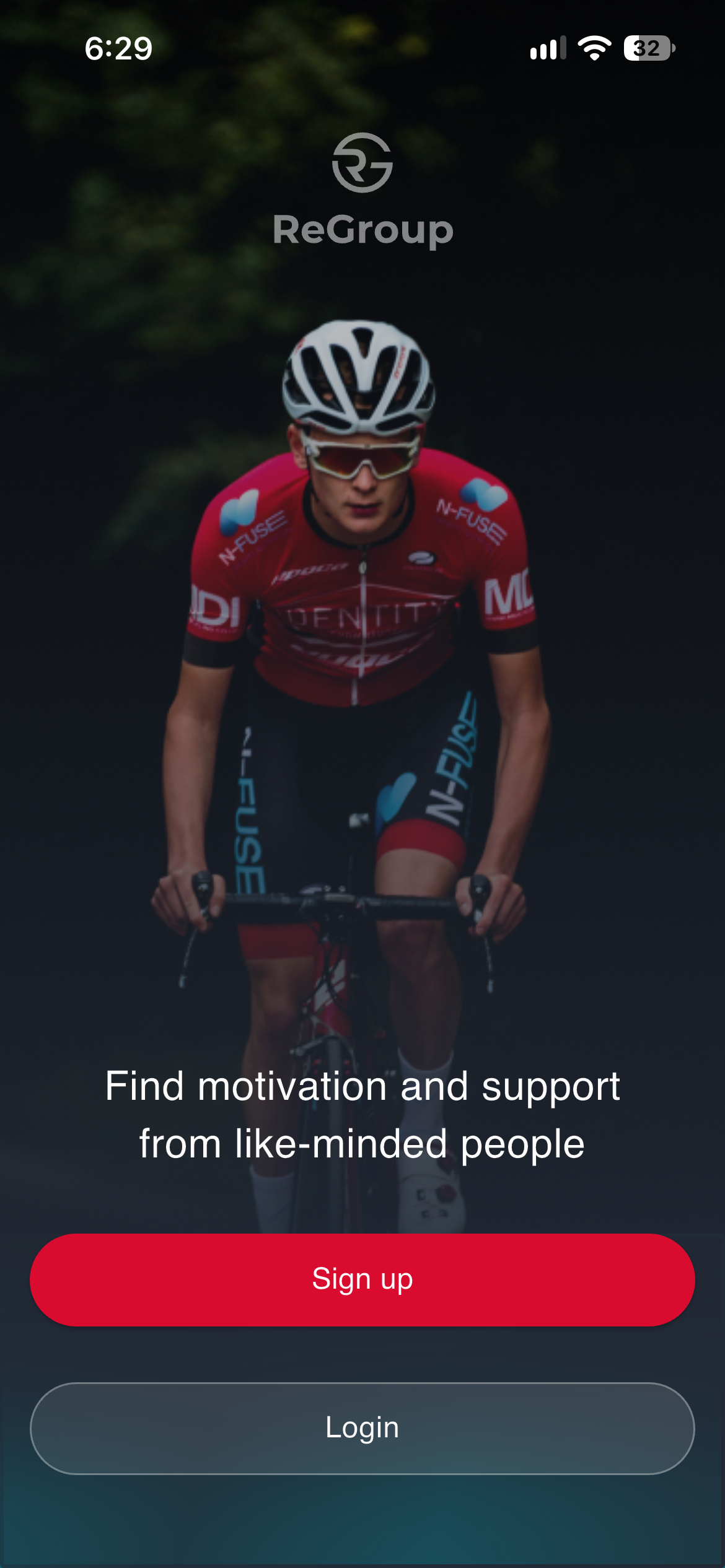
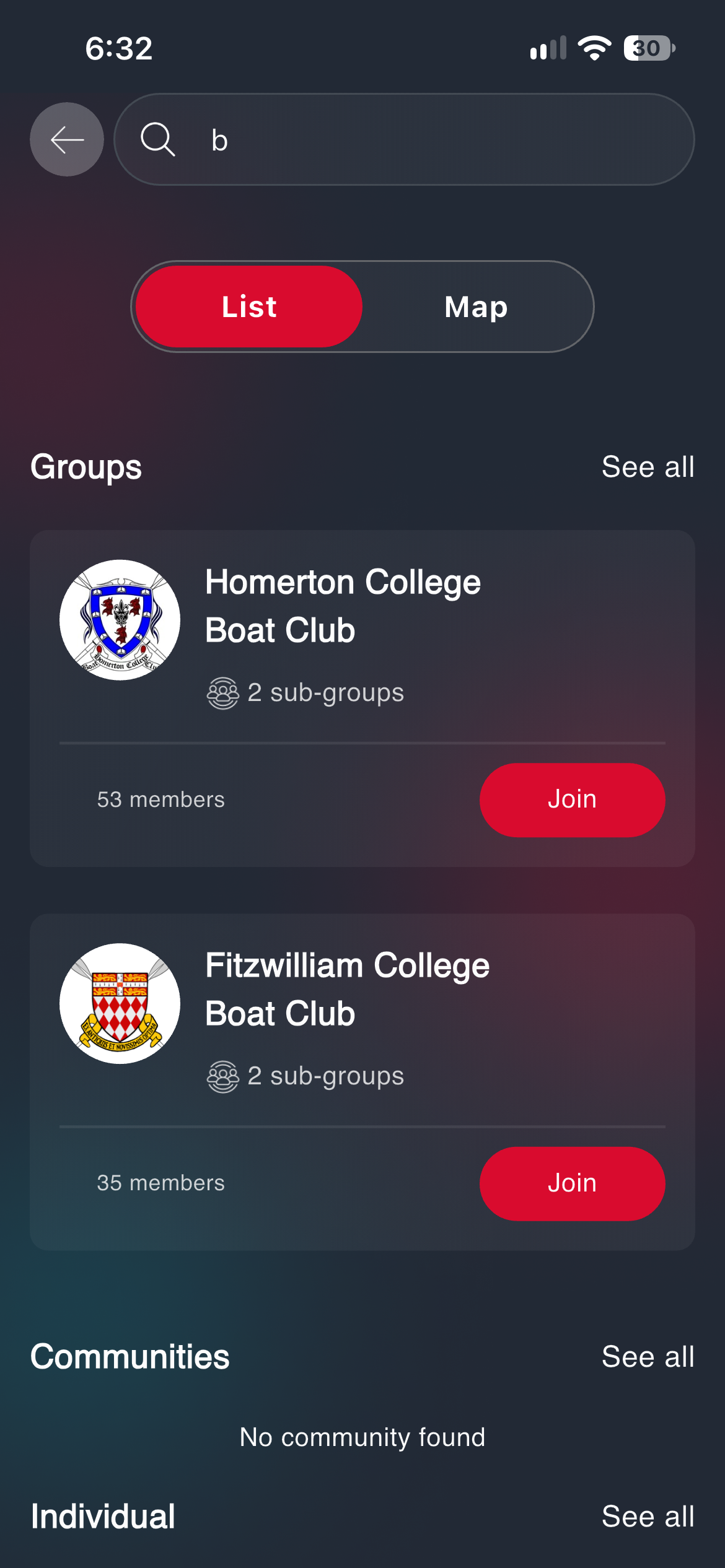
01. ReGroup
R
Sports & CommunityMotivation, found together.
A sports community where motivation is found together.
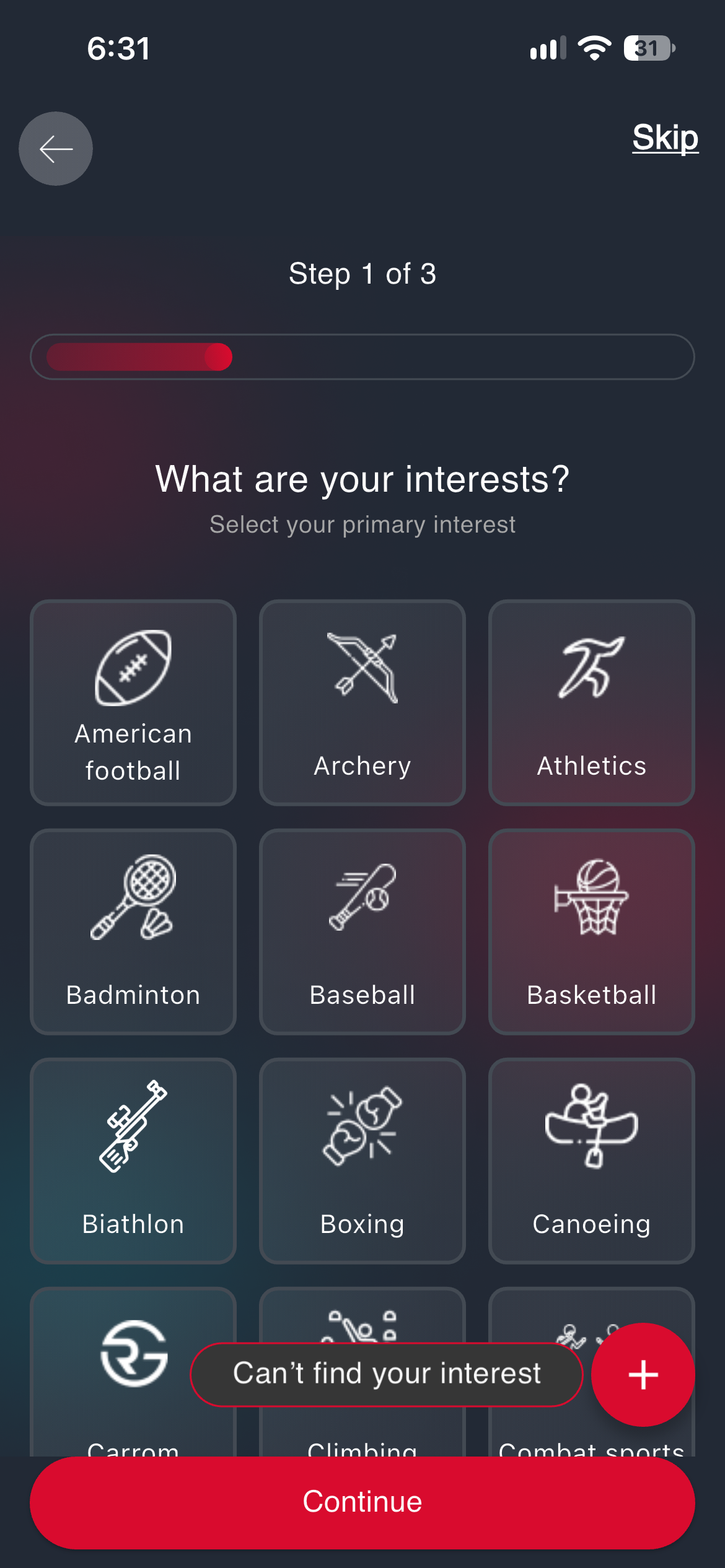
ReGroup is a sports community platform where people choose the activities they care about, discover nearby clubs and groups, and find encouragement from like-minded members. WDI shaped the product around three moments — onboarding by interest, discovering a group and staying engaged — then designed and engineered the mobile app for iOS and Android, supported by a scalable backend for profiles, groups and activity feeds.
Making market learning clearer, faster and more structured.
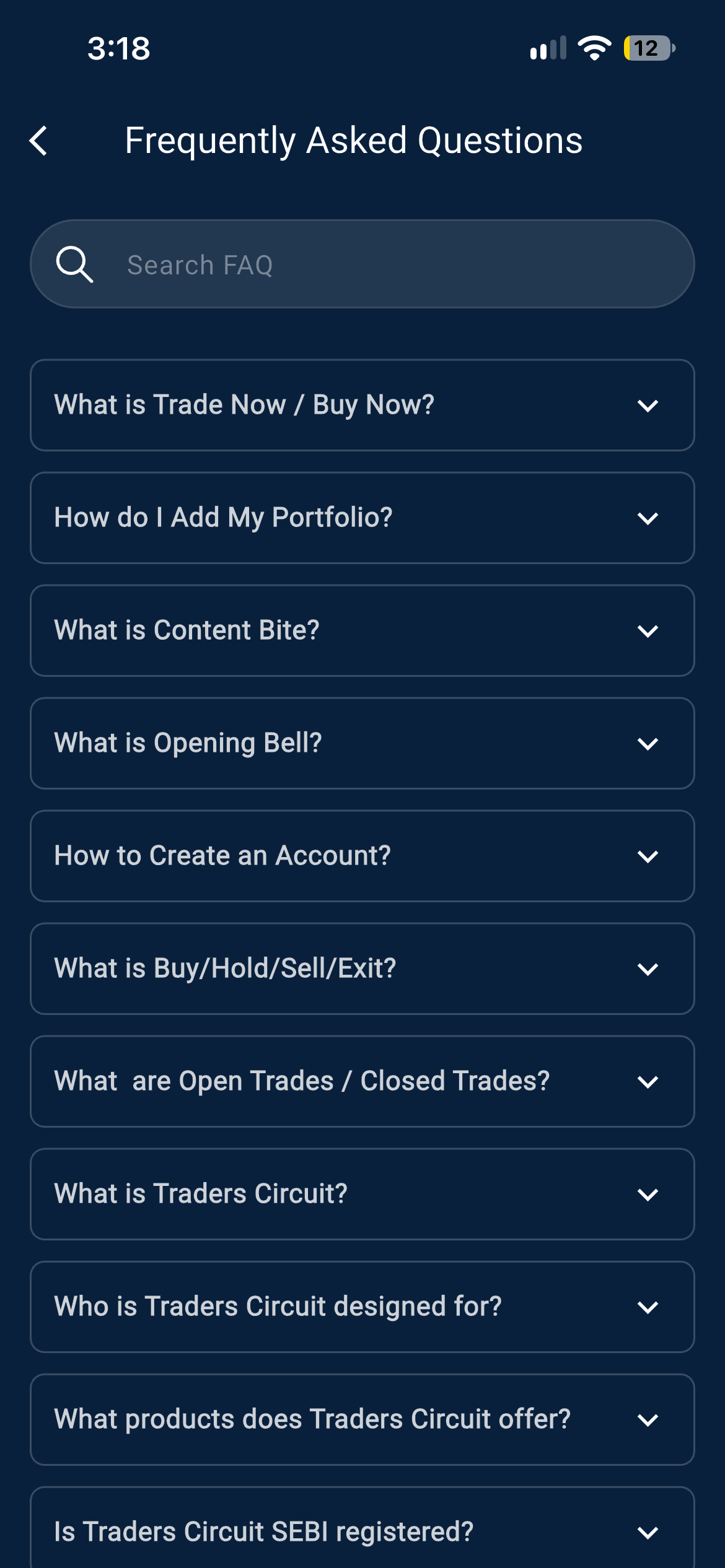
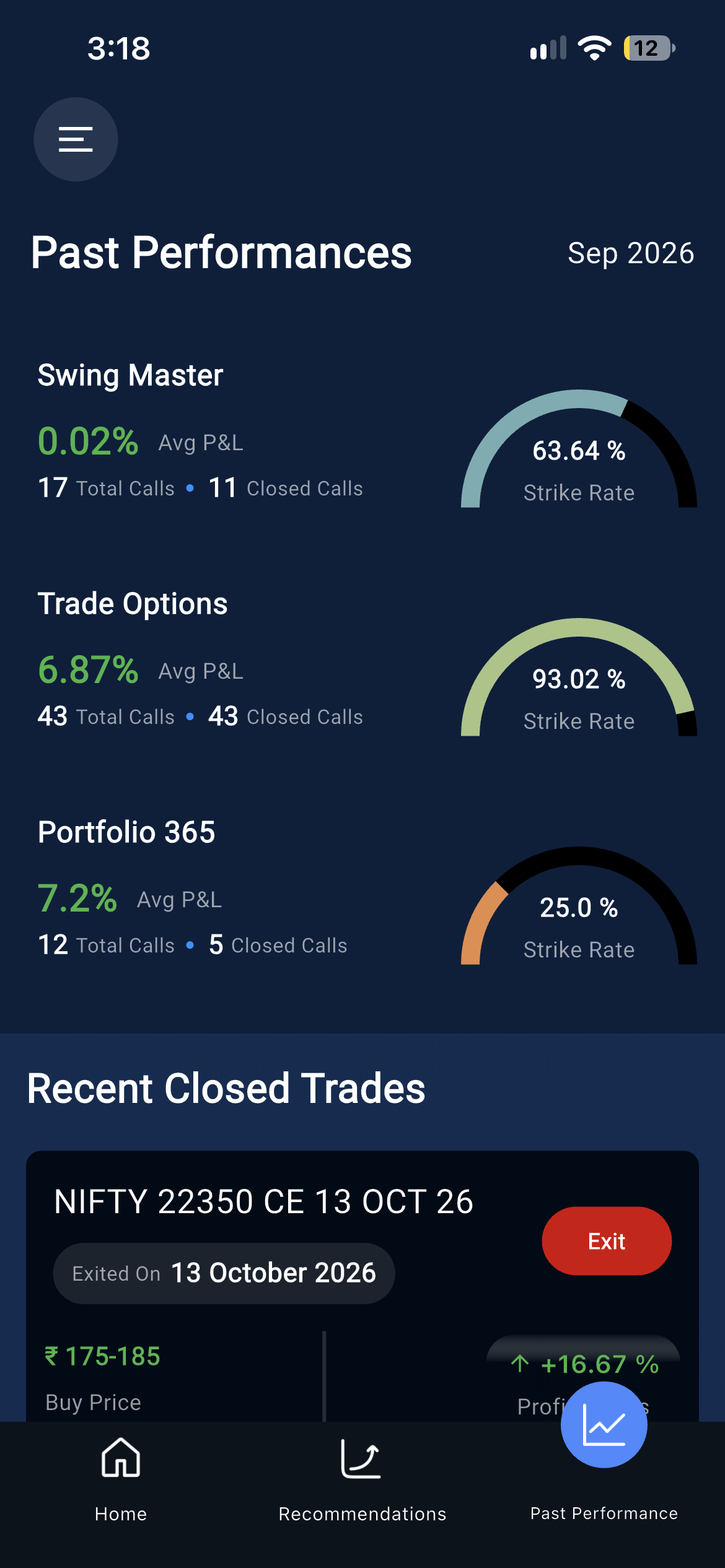
Traders Circuit gives traders structured market insight, learning content and a supportive community in one fast, mobile-first product. WDI worked on the information architecture and interface for performance tracking, guided learning content and FAQs, and engineered the app so data-heavy screens stay readable and quick to act on from a small display.
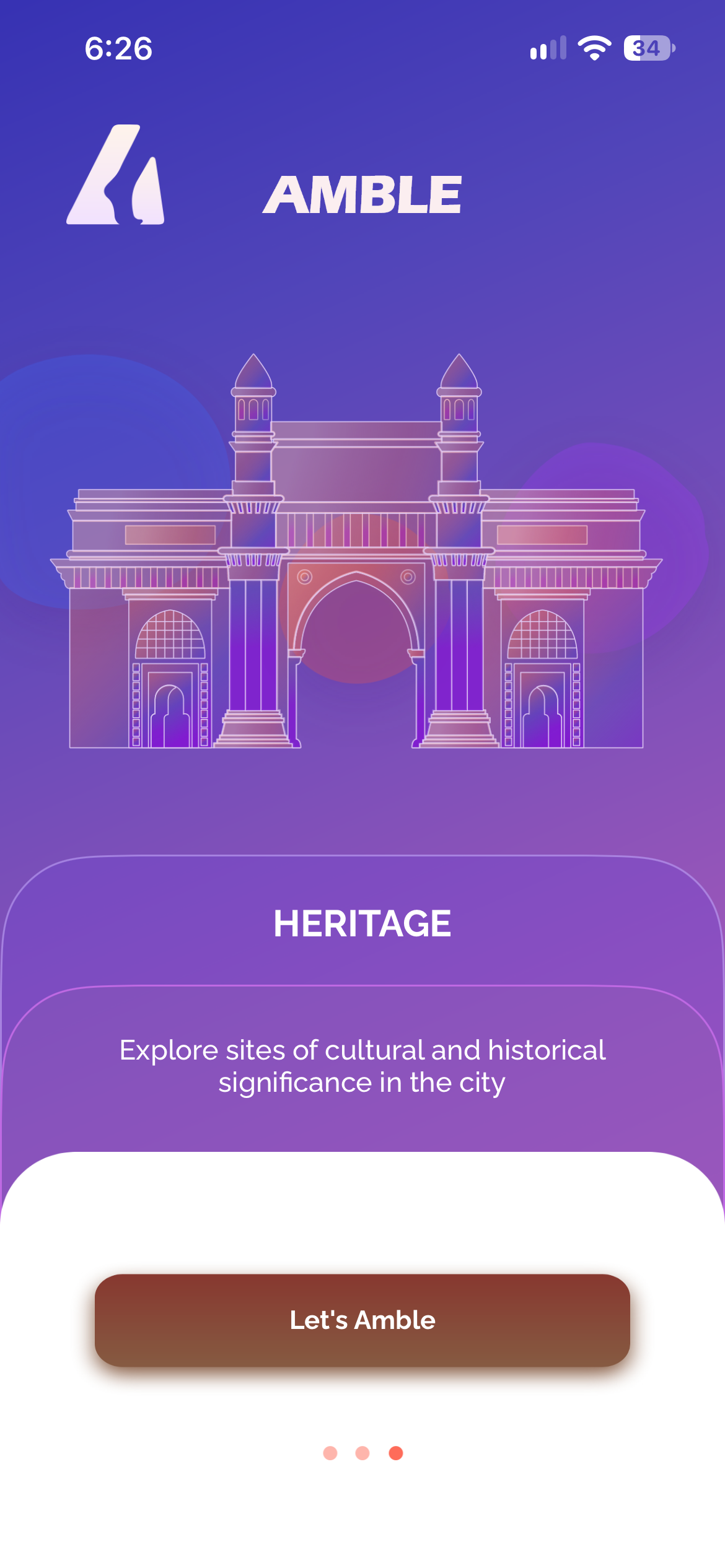
Guiding people through Mumbai’s heritage, one walk at a time.
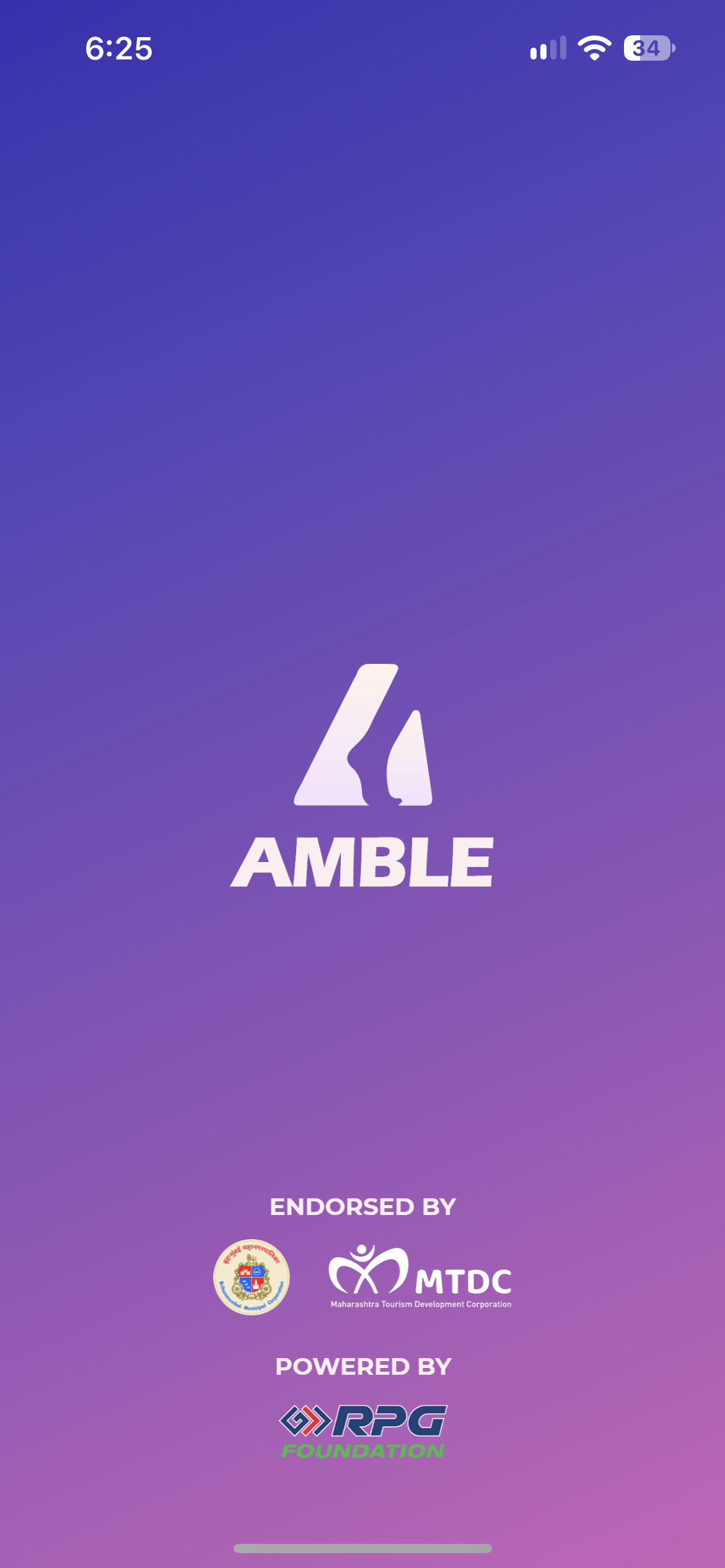
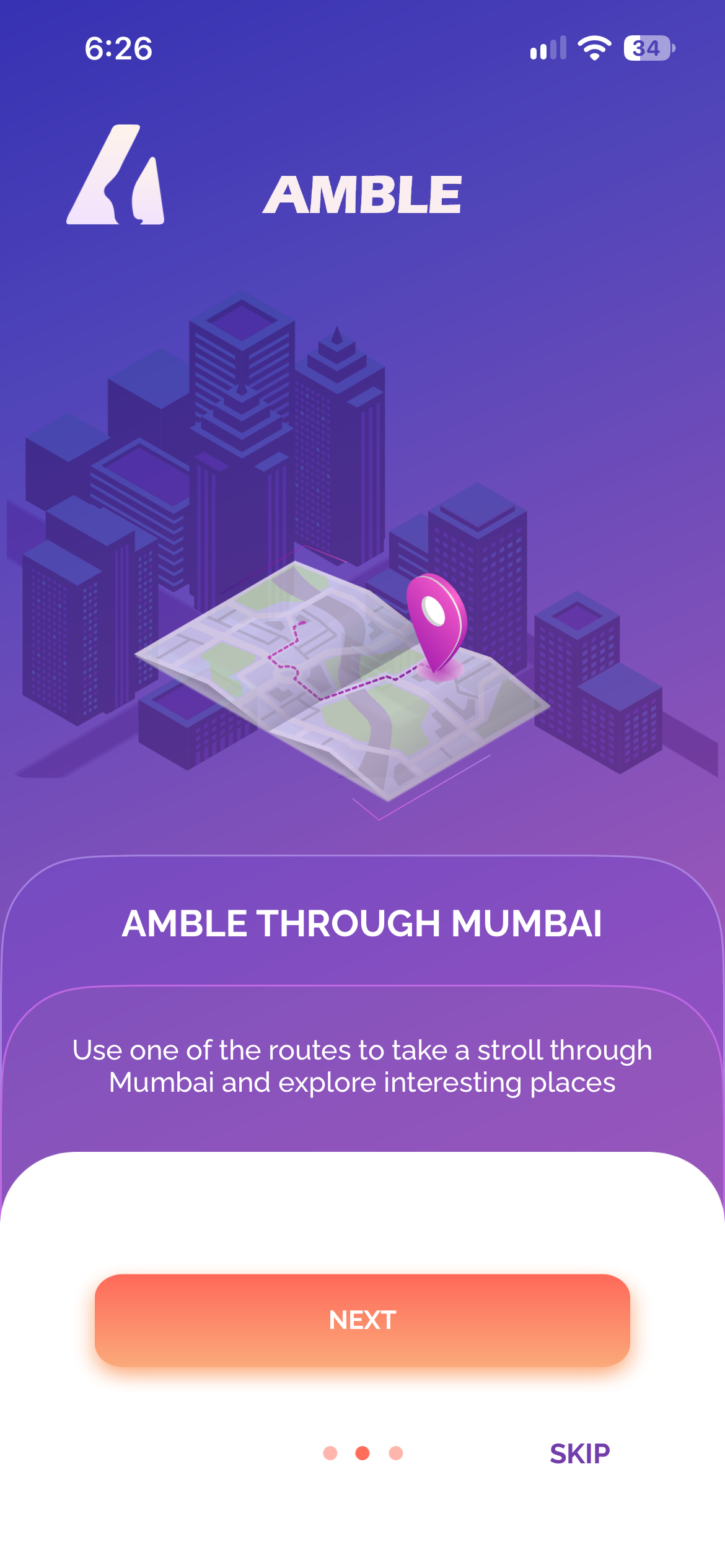
Amble is a heritage-walk app powered by RPG Foundation and endorsed by the BMC and MTDC. It guides residents and visitors along curated routes through the city’s cultural and historical landmarks. WDI designed and built the route, landmark and storytelling experience, balancing rich historical content with simple, on-the-ground navigation.
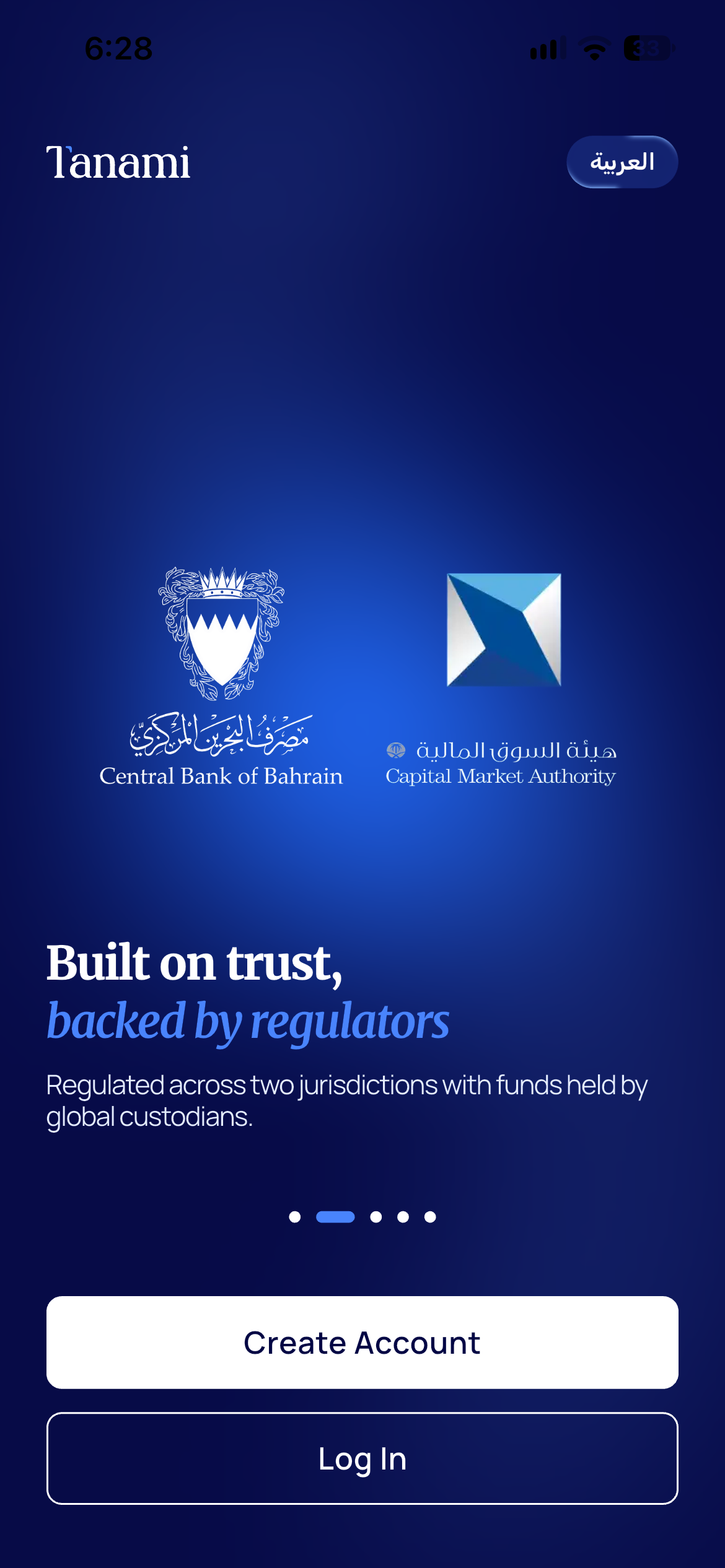
Making private markets more accessible to investors.
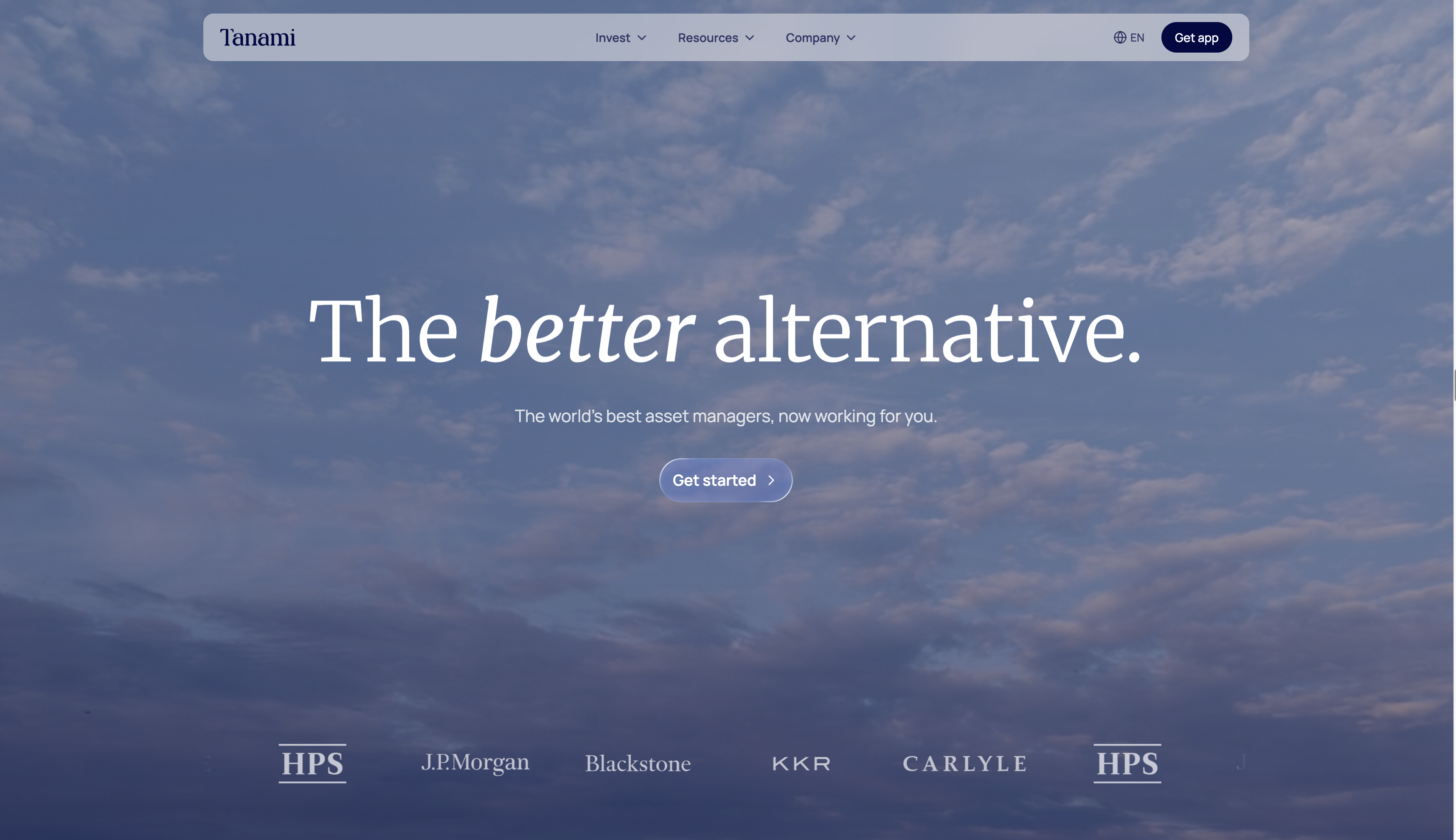
Tanami Capital is a regulated investment platform that gives investors access to curated private-market opportunities from established global managers, in both English and Arabic. WDI partnered on product strategy, UX, architecture and engineering, delivering a bilingual mobile experience built for trust, clarity and multi-phase growth.
Verified feedback from founders, product owners and technology teams who have worked with WDI across strategy, design, engineering and long-term product delivery.
We review your real interface patterns and product needs before deciding what should become reusable.
02
Reuse Has a Clear Purpose
We standardise components and patterns where consistency genuinely helps. We do not force every interaction into one model.
03
Design and Engineering Stay Connected
Component definitions, states and handoff requirements can be considered together as the system takes shape.
04
Governance Is Part of the System
We consider ownership and change decisions alongside components and documentation, instead of leaving them until adoption becomes difficult.
05
Existing UI Can Be Modernised
Your current component library or design system can be reviewed and improved. It does not have to be replaced automatically.
06
The System Can Evolve with the Product
Components, documentation and governance can be reviewed as new product needs create legitimate reasons for change.
FAQs
Frequently asked questions
Design system consulting helps teams define what should be standardised across a digital product. It also covers how reusable components and patterns should be structured, how they should be documented and who should own changes as the system evolves.
Definition
Definition
A design system becomes more useful when interfaces contain repeated patterns, inconsistencies are increasing, several product areas need shared UI decisions or multiple teams need a common reference. A smaller product may only need a focused component library.
When to build
When to build
A component library primarily provides reusable interface elements. A design system is broader. It can also include design foundations, patterns, documentation, usage guidance, governance and ownership.
Comparison
Comparison
An enterprise design system is a reusable interface foundation intended to support multiple product areas, teams or complex application contexts. Its scope should follow actual organisational and product needs, not complexity for its own sake.
Enterprise
Enterprise
Design Systems & Scalable UI focuses on reusable interface foundations and consistency. Product Redesign is more appropriate when the underlying journeys, the interaction model or the wider product experience need substantial change.
Redesign
Redesign
Not necessarily. It can be more practical to begin with frequently used, sufficiently understood components and patterns, then expand the design system as genuine product needs emerge.
Scope
Scope
Yes. WDI's UI/UX and product-design scope includes design systems, so we can review an existing system where its components, patterns, documentation or governance need improvement.
Modernisation
Modernisation
Once the design system is defined, the next step may include adoption across existing interfaces, implementation support, additional components, product redesign or continued governance as the product evolves.
Next step
Next step
Create a Design System Around the Product You Actually Have
Tell us about your product, its current interface patterns, the teams using them, the inconsistencies you know about and any existing component library or documentation.
We will review your current UI foundation and help you decide whether the next step should be a focused component library, design-system consulting, system modernisation or a broader product redesign.