01 — WEB APP
Explore service
Web Application Development
Some software needs customer, employee or partner access. We build browser-based applications for it.

Build software around the way your business works and where you want it to go. WDI translates your operational needs into custom applications that connect teams, support decisions, and make everyday work easier.








WDI is a custom software development company. We help businesses plan, build and evolve custom software around real workflows, users and operating requirements. Our software development services cover workflow systems, CRM applications, AI-enabled software, process platforms, modernisation, internal tools and cloud-supported applications. The solution isn't defined until we've considered the business problem, your current systems, integrations, information needs and user roles. We also look at the dependencies that will shape implementation and continued product ownership.
A software platform may require more than the core custom system: web experiences, product design, AI, SaaS capabilities or additional engineering capacity. These related services support those requirements.
Some software needs customer, employee or partner access. We build browser-based applications for it.
We define and engineer a focused first release around essential product assumptions and workflows.
Our designers shape software journeys, interfaces and interactions around user tasks and product requirements.
We create reusable interface patterns, which keep software experiences consistent as they evolve.
AI is added to browser-based products where validated requirements support the capability.
We build software delivered through a SaaS model where that approach fits the requirement.
We add defined engineering capacity to support ongoing software development and roadmap delivery.
Custom software involves business, product and technical decisions, and they come before development begins. We help your team clarify three things: what should be built, which specialist service fits the problem and what should integrate with your existing systems.
Discuss Your SoftwareWe review current systems, workflows, constraints and roadmap needs first. Targeted modernisation, extension or a new application may each be the more appropriate route, and the review tells us which.
We define the business process, users, information and decisions the system must support. That happens before stakeholder requests turn into an expanding feature list.
We identify essential integrations, available APIs, permissions, information ownership and manual hand-offs. The software architecture then reflects the wider operating environment.
Application Modernization is for broader business logic, backend, data or integration renewal. Modern Web Development is the route when frontend, web architecture, delivery or web migration is the primary problem.
We evaluate AI only where it improves a defined software task or workflow. Suitable information, evaluation criteria, controls and human ownership must also be possible to establish.
We plan around known workflows, integrations and the likely product direction. The initial system is not engineered around every hypothetical future requirement.
| If your primary requirement is… | Specialist service | Main decision |
|---|---|---|
| Automating isolated or repeatable workflows | Workflow Automation Software | Which tasks, rules and hand-offs should be digitised? |
| Managing customer information and processes | CRM Software Development | Does a standard CRM fit, or is custom workflow logic required? |
| Making AI central to software behaviour | AI Software Development | Is the use case, information and evaluation model ready? |
| Managing interconnected process stages and roles | Business Process Management | Does the problem span several workflows, teams or approvals? |
| Renewing an existing software estate | Application Modernization | Should the system be extended, re-architected or progressively replaced? |
| Improving internal operations and reporting | Internal Tools & Dashboards | Which users, tasks and information need a purpose-built interface? |
| Building cloud applications and delivery operations | Cloud Applications & DevOps | What environment, deployment and operational requirements does the software need? |
We build software that structures repeatable operational activities, approvals, hand-offs and information flows, in cases where custom workflow logic is justified.
Purpose-built business software is developed around defined users, workflows, integrations and operating requirements. Enterprise-specific depth stays within the dedicated solution route.
We connect software with your existing applications and services, wherever suitable APIs, permissions and integration paths are available.
Relevant operational information is brought into defined reporting views. Source systems, access requirements and reporting needs have to be understood for this.
We improve ageing software through targeted architectural, interface or integration changes. Broader renewal requirements are routed to Application Modernization.
We create customer or partner-facing software around defined services, information, workflows and authentication, together with the supporting business systems.
AI is introduced where integration is justified by the use case, the available information, the architecture, the evaluation approach and operational controls.
We move you from product concept to a focused software release. Users, journeys, essential functionality, dependencies and implementation priorities are defined along the way.
We build software workflows for capturing, organising and managing enquiries or leads, where these activities are part of the agreed business process.
Workflow, users, information and operating context differ from one organisation to the next, and software requirements differ with them. We can shape custom systems around different industry situations, and we keep architecture, integration and process requirements specific to the organisation.
We clarify the business problem, users, workflows and current systems, and the outcome the software is intended to deliver.
We clarify the business problem, users, workflows and current systems, and the outcome the software is intended to deliver.
Needs are turned into prioritised workflows, functionality and dependencies, with a delivery scope we agree together.
Needs are turned into prioritised workflows, functionality and dependencies, with a delivery scope we agree together.
We define user journeys, interfaces and system interactions before implementation, which reduces avoidable rework.
We define user journeys, interfaces and system interactions before implementation, which reduces avoidable rework.
Application structure, data, backend services, APIs, integrations and operating requirements are defined.
Application structure, data, backend services, APIs, integrations and operating requirements are defined.
We develop the agreed functionality progressively, so your stakeholders can review working software against the prioritised scope.
We develop the agreed functionality progressively, so your stakeholders can review working software against the prioritised scope.
Agreed workflows, functionality and integrations are tested before the software moves into its intended operating environment.
Agreed workflows, functionality and integrations are tested before the software moves into its intended operating environment.
We review operational needs, user feedback and roadmap priorities. They guide subsequent improvements and modernisation.
We review operational needs, user feedback and roadmap priorities. They guide subsequent improvements and modernisation.
We don't begin with a predetermined technology stack. Software architecture should follow business and system requirements, so we consider backend needs, integrations, information, deployment and operating constraints in defining the technical approach.
We build application logic and backend services around agreed software workflows, information and integration requirements.
The APIs that agreed systems, services and software workflows require are developed and connected by our team.
We structure application data around access patterns, business requirements, integrations and supporting architecture.
Software architecture is defined around workflows, integrations, information requirements and foreseeable operating needs.
We connect software with existing applications and services where suitable interfaces, permissions and dependencies are available.
Release and deployment requirements are defined according to the architecture and operating environment.
We address user access, authentication and information-handling requirements according to the software scope.
We prepare the information flows required for software functionality, integrations, reporting and validated AI use cases.
Relevant performance and capacity requirements are defined according to expected software behaviour and operating conditions.
AI can support selected software workflows where it addresses a defined business or user need. Whether it's suitable depends on available information, architecture, evaluation criteria, privacy and appropriate human oversight.
We use AI within suitable workflows, and clear business ownership, exceptions and human review are retained.
Suitable historical information is used for defined prediction or forecasting tasks, where evaluation criteria exist.
Conversational interfaces support defined information or workflow tasks, with appropriate controls.
We process supported documents where the required information, use case and implementation approach are validated.
Users get help accessing relevant information from defined sources, according to the product requirement.
AI-generated analysis supports defined decisions. Appropriate human ownership is retained.
We analyse suitable workflow information to identify patterns that may inform operational decisions.
We help users retrieve, organise or interpret approved business information for defined tasks.
A fraction of what we have shipped.
Share the goal, the users and the systems involved. We'll come back with a considered approach.
Verified feedback from founders, product owners and technology teams who have worked with WDI on product strategy, UX, interface design and digital-product delivery.
Software requirements may connect with AI, mobile, web, design, consulting or additional engineering capacity. For requirements that extend beyond custom software, these WDI capabilities provide the routes to related services.
We evaluate and implement AI capabilities for products, software and workflows, where AI supports a defined need.
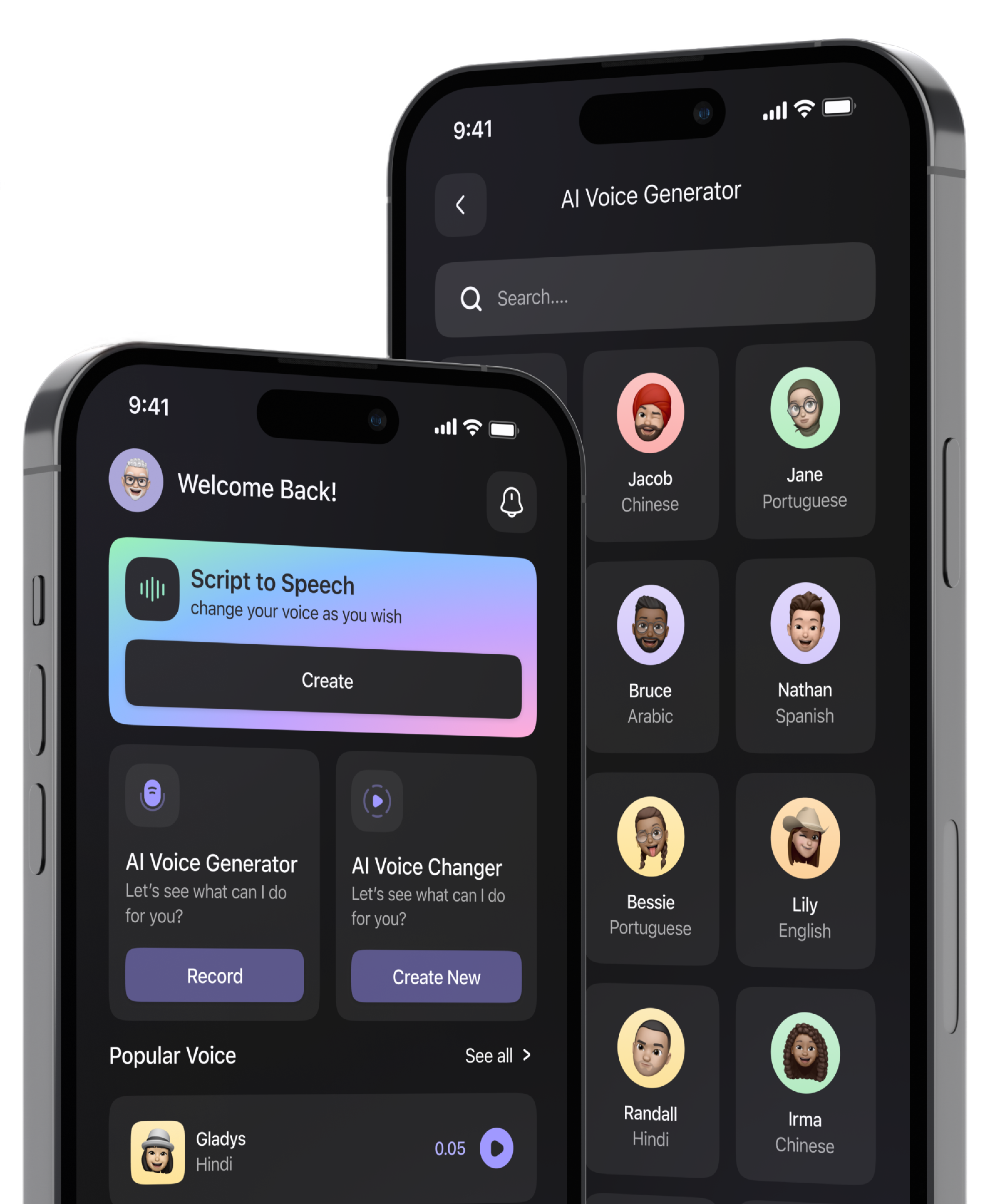
Mobile products are planned, designed, engineered and evolved around users, business requirements and technical constraints.
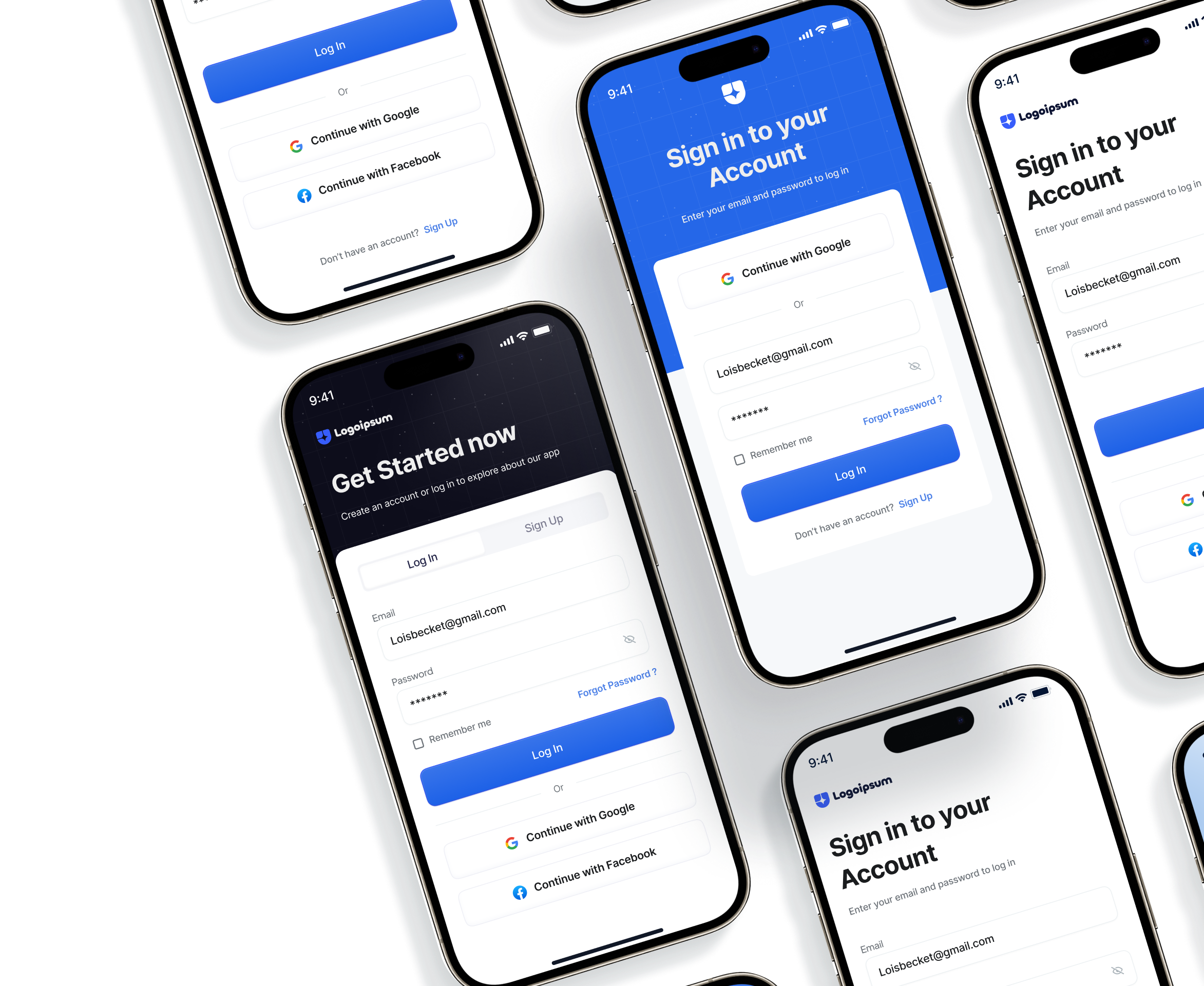
We create web applications and digital experiences in support of wider product and software requirements.
User journeys, interfaces and product experiences are defined ahead of engineering, or alongside it.
We assess product, process and architecture requirements before you commit to a broader implementation approach.

We add engineering capacity, with defined roles and responsibilities, inside an established delivery environment.
Our software approaches are organised around the operational or product problem your organisation needs to solve.
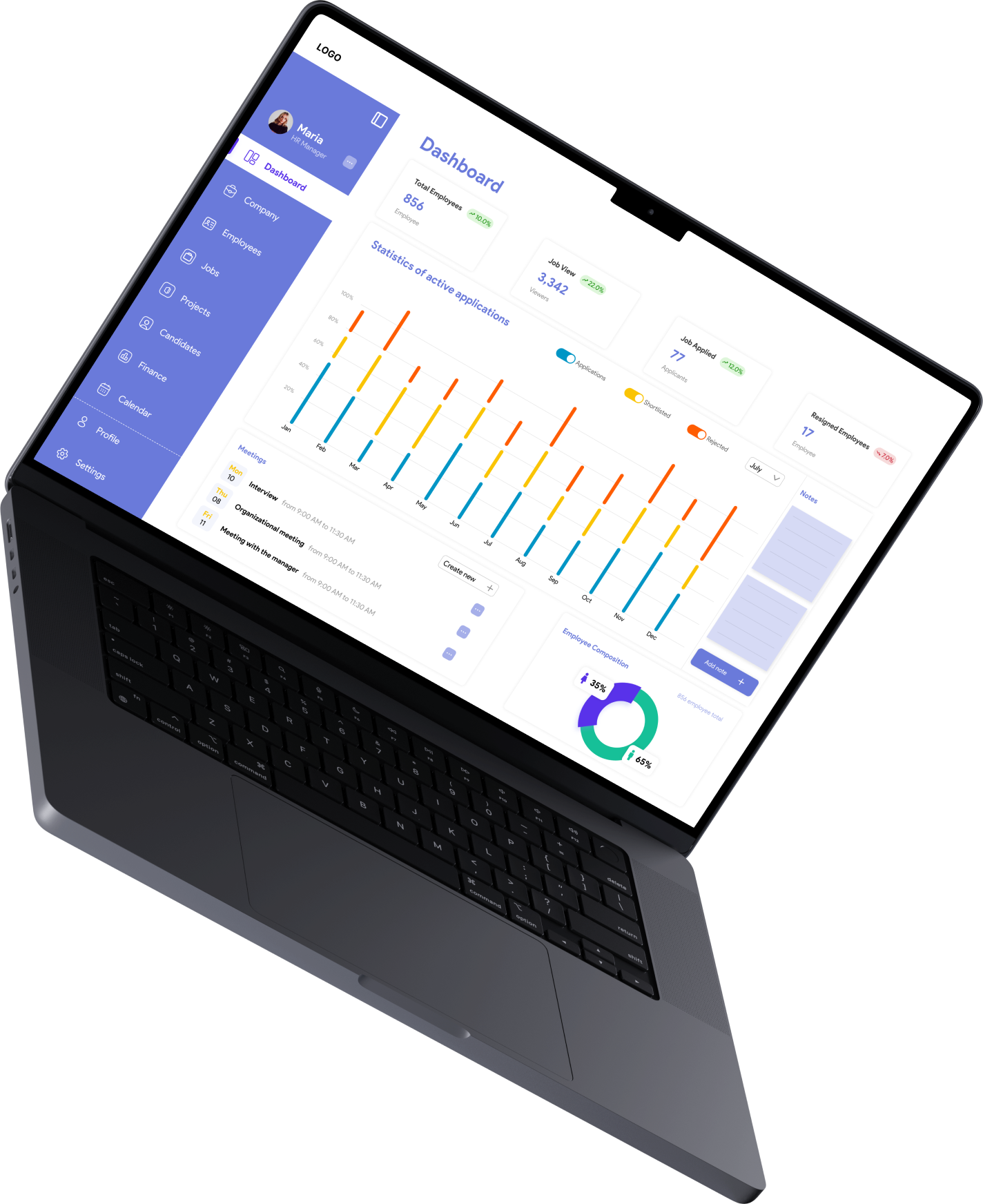
Our broader delivery history is useful context. We draw on it in planning product scope, dependencies, priorities and development trade-offs.
We run discovery business-first, so product requirements stay connected to the operational or customer problem the application is intended to address.
We consider user roles, integrations, workflows and future requirements while shaping the application's architecture and development approach.
During planning we consider access, data handling, performance expectations and other relevant operating requirements, according to the product and the agreed scope.
Major product choices are defined with commercial goals, user needs and engineering decisions considered together.
Discovery, design, engineering, validation, deployment planning and continued product evolution can be considered connected parts of the delivery relationship.
These answers explain how WDI approaches custom software, existing systems, integrations, architecture, AI-enabled features and continued evolution.
If your question is not answered here, a software specialist can address it directly in a consultation.
Custom software can be appropriate when existing products don't fit important workflows, integrations, user roles or information requirements. The decision is a comparison. Weigh the need for purpose-built functionality against the cost and complexity of creating and owning a custom system.
Off-the-shelf software is built around standardised requirements. Custom software is designed around your organisation's defined workflows and system needs. A custom build isn't automatically better, and existing software may be more appropriate where it already meets the requirement.
Yes, where the existing application can support targeted improvement. Broader renewal involving business logic, backend systems, data or integrations belongs to Application Modernization. Renewal that is primarily about the web front end or web delivery belongs to Modern Web Development.
Yes, where suitable APIs, permissions and integration routes exist. Custom software can then connect with your existing applications and services. Technical discovery should identify dependencies, information ownership and constraints before the integration approach is defined.
Yes, where AI supports a defined task and the necessary information, architecture, privacy requirements, evaluation criteria and human controls can be established. AI shouldn't be added where conventional software already solves the problem effectively.
Start with the business process, the essential users and the required integrations. Add the smallest coherent functionality needed to support the first operational objective. Secondary features and uncertain future requirements can stay on the roadmap until their priority is clearer.
Look for a custom software development company with clear discovery, product and architectural judgement, integration capability and controlled delivery, and one that can explain trade-offs. Your partner should understand the business process, not simply translate a feature list into software.
Priorities can be reviewed after launch, using user feedback, operational requirements and agreed product evidence. Further work may include maintenance, integrations, feature development, modernisation or AI capabilities, according to the evolving roadmap.
Tell us about the business problem, your users, existing systems, workflows and integrations, and any constraints you already know of.
We'll review the requirement and identify the important dependencies. Then we can discuss whether custom software, modernisation, integration or another approach is the appropriate next step.