01 — WORKFLOW
Explore service
Workflow Automation Software
We automate focused repeatable workflows, within broader business processes or alongside them.

Bring structure and visibility to processes that span multiple teams, decisions, and approvals. WDI builds business process management software that helps you define responsibilities, track progress, and identify where work needs attention.








We translate interconnected business processes into software that coordinates roles, stages, approvals, information and system interactions. Business process management software may support process mapping, automation, case handling, monitoring, integrations and modernisation, where those needs fit the agreed scope. Development waits until we've reviewed how your processes operate today, where responsibilities change, which exceptions matter and how workflows and existing systems need to work together.
The wider operational need keeps developing, and BPM may connect with other things along the way: workflow automation, AI, CRM, internal tools, modernisation, deployment requirements and reusable interface systems.
We automate focused repeatable workflows, within broader business processes or alongside them.
AI is added where process information supports a software use case that is defined and can be evaluated.
We build interfaces for process tasks, operational status and reporting.
Customer-management workflows are connected with broader business processes where required.
We renew the wider software where process constraints come from ageing application architecture.
We address application environment and deployment requirements according to the agreed scope.
Reusable interface patterns are created for process-management experiences as they evolve.
BPM is most useful when several workflows, roles and systems need coordinated management. Not every requirement is like that. We help you determine whether yours is process-wide or belongs to a more focused software or automation route.
Discuss Your ProcessWorkflow Automation is for a defined repeatable flow. BPM is for several workflows, roles, approvals, exceptions and systems that must operate as one connected business process.
We identify the processes that share users, information, approvals, dependencies or operational outcomes. Activities that may be better managed independently are not combined.
Repeatable, rules-based process activities are automated. Judgement, exceptions, approvals and higher-impact decisions stay with the appropriate people.
We define alternative paths for missing information, rejected approvals, delays and escalations, and for cases that can't follow the standard process route.
CRM is the route when the system centres on customer, account, lead, sales or service information. BPM is the route when the primary problem spans wider interconnected processes and roles.
BPM software is the answer when the deliverable is a system managing processes, states, cases, roles and visibility. Broader business automation fits when the goal may involve workflows, integrations, CRM, AI or several approaches.
Related operational processes are coordinated through defined stages, responsibilities, approvals, hand-offs and exception paths, across the wider business environment. Explore Automate Business Operations
We connect process stages across existing software where suitable APIs, permissions, information flows and system responsibilities are understood.
Relevant process status and operational information is brought into defined views. Your teams use them to review activity, exceptions and agreed measures.
We improve ageing process applications whose architecture, interfaces, workflows or integrations are limiting continued operational change.
AI is introduced where process information supports a defined use case, and where suitable evaluation, privacy and human controls can be established.
Multiple roles, workflows and systems may need a shared application foundation. We extend process-management requirements into broader business software for that.
We expose selected process stages to customers or partners through defined portal experiences, with appropriate access and integrations.
AI is used within defined support processes where suitable information, escalation routes, evaluation criteria and human ownership are established.
Users, approvals, information, systems and operating requirements all shape a business process. We can shape process-management software around different contexts while the requirements stay specific to the organisation.
Related processes, roles, systems, information, hand-offs, dependencies and known exceptions are mapped.
Related processes, roles, systems, information, hand-offs, dependencies and known exceptions are mapped.
Together we decide which workflows belong together, where ownership changes and what outcomes the system must support.
Together we decide which workflows belong together, where ownership changes and what outcomes the system must support.
We define stages, roles, approvals, cases, rules, exceptions, escalations and user interactions before implementation.
We define stages, roles, approvals, cases, rules, exceptions, escalations and user interactions before implementation.
Applications, APIs, information flows and dependencies required across the managed processes are identified.
Applications, APIs, information flows and dependencies required across the managed processes are identified.
We develop the agreed functionality progressively. Stakeholders review process behaviour against the intended operating model.
We develop the agreed functionality progressively. Stakeholders review process behaviour against the intended operating model.
Defined process paths, permissions, integrations, approvals, exceptions and escalation behaviour are tested before operational use.
Defined process paths, permissions, integrations, approvals, exceptions and escalation behaviour are tested before operational use.
We use operational feedback and changing process requirements to prioritise appropriate improvements over time.
We use operational feedback and changing process requirements to prioritise appropriate improvements over time.
Process logic, backend services, integrations, information and user controls all meet in process-management software. We let the operating process and the agreed implementation scope decide the technical approach.
Process stages, states, transitions and business rules are structured around defined operating requirements.
We coordinate related workflows, roles and dependencies across the wider business process.
The application logic and services needed to support defined process behaviour are built by our team.
We connect software with existing applications through suitable APIs and integration routes.
Process information is structured around states, users, cases, workflows and reporting requirements.
We trigger defined process actions when relevant workflow or system events occur.
Process access is defined according to user responsibilities, roles and information requirements.
We define application environment requirements according to architecture, deployment needs and agreed scope.
Operational views are provided around process activity, status, exceptions and agreed measures.
Some process information needs interpretation that fixed rules can't provide. AI can assist with selected process activities of that kind. Its suitability depends on information quality, evaluation, privacy and human oversight.
We help users review suitable process information and identify areas that need attention.
Routing decisions are supported where suitable process information and evaluation criteria are available.
We help users identify process information that may need further review or intervention.
AI is used with supported documents where task, input and review requirements are clearly defined.
We use suitable information to support analysis of defined process behaviour and operating patterns.
AI-assisted information is provided for defined process decisions. Human responsibility is retained.
We help users retrieve relevant information from defined sources during process activities.
Suitable process information is used to help teams identify potential areas for further review.
A fraction of what we have shipped.
Tell us about the processes you need to coordinate, the teams involved and the systems they depend on.
BPM may connect with broader software, AI, mobile, web, design or engineering requirements. These WDI capabilities give you routes to related services once the requirement goes beyond process management.
We evaluate AI capabilities for products, software and workflows. Implementation follows where AI supports a defined need.
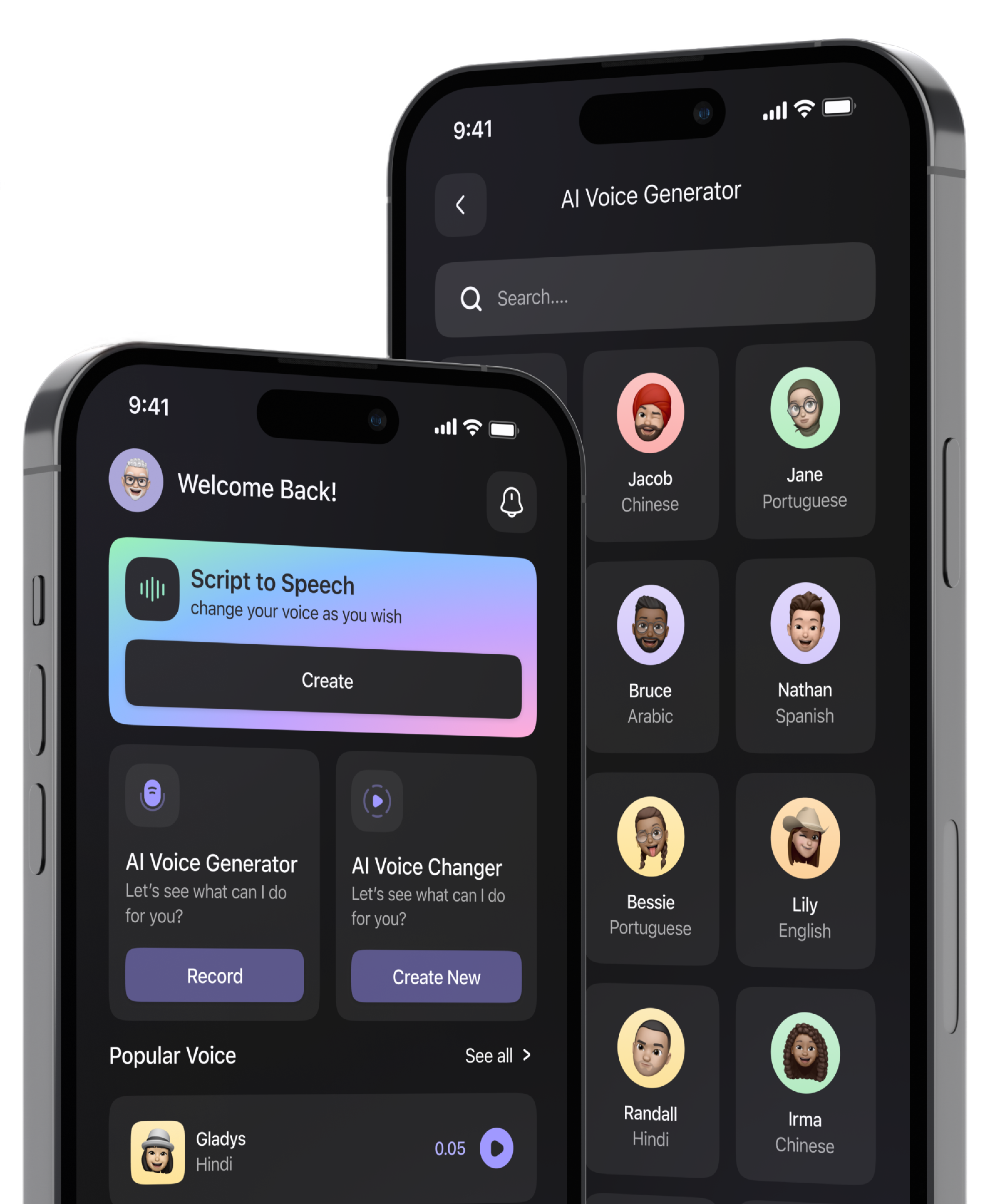
We plan, design, engineer and evolve mobile products around users, business requirements and technical constraints.
Purpose-specific software platforms and systems are built around business processes, integrations and operating requirements.
Our web applications and digital experiences support wider product and software requirements.
We define user journeys, interfaces and product experiences before engineering, or alongside it.

Engineering capacity is added within an established delivery environment, with roles and responsibilities defined.
We organise our software approaches around the operational or product problem your organisation needs to solve.
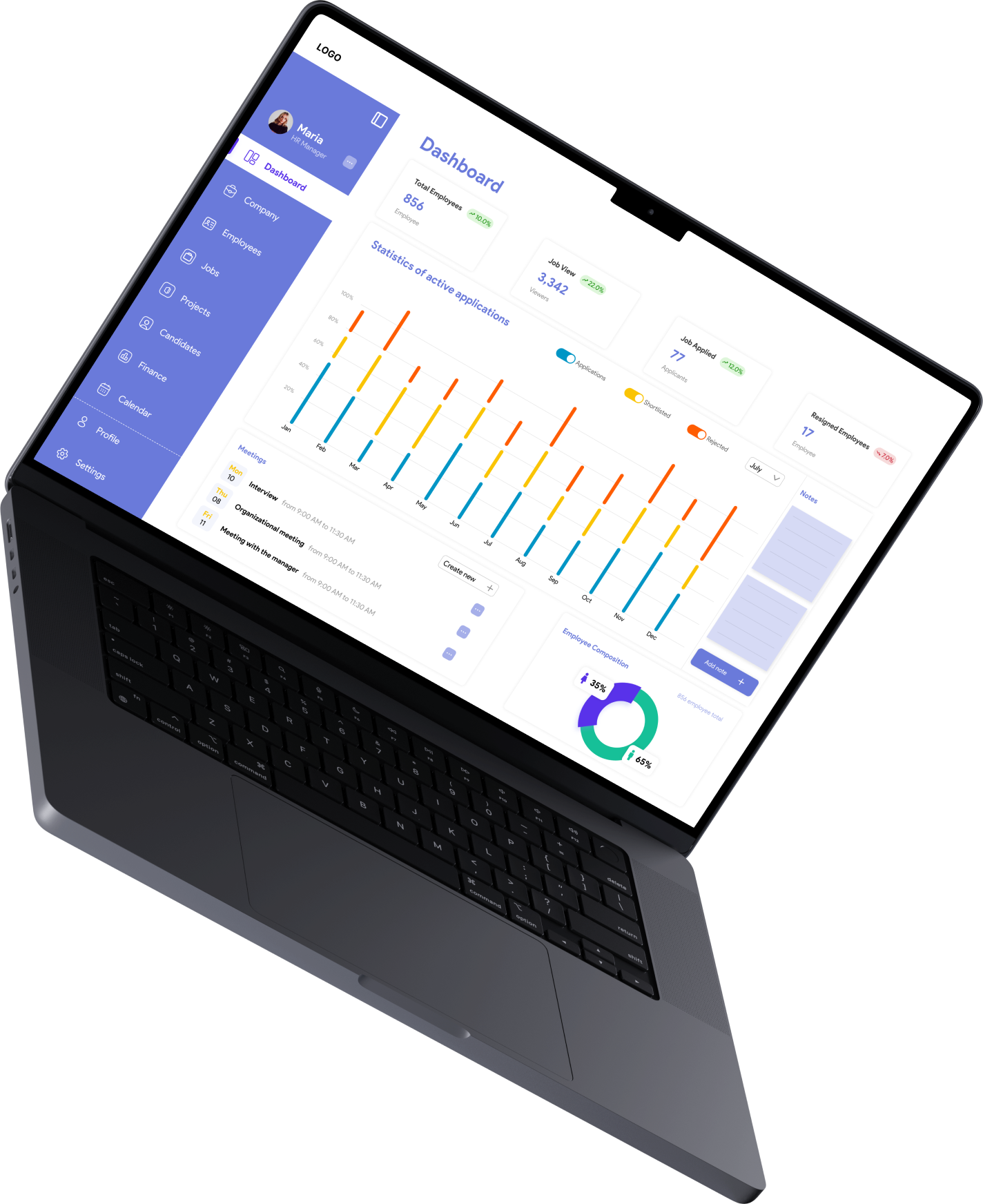
We start with how connected work moves across roles, systems and teams. That business-first approach comes before any software behaviour is defined.
Related workflows can be grouped where they share meaningful dependencies. Separate processes stay distinct where combining them would add complexity.
Approvals, judgement, exceptions and ownership can be defined alongside the automated process steps.
We plan software around the actual application environment. We don't assume every process should move into one platform.
Alternative paths, escalations and non-standard cases can be defined as part of the process model.
We consider roles, information, integrations, rules and software decisions together during planning and delivery.
These answers explain how WDI approaches business process management software, workflow automation, CRM boundaries, integrations, AI and process scope.
If your question is not answered here, a process specialist can address it directly in a consultation.
It is software that coordinates interconnected workflows, roles, approvals, cases, information and system interactions within a broader operating process. Business process management software is most useful when managing the whole process matters more than automating one isolated task.
Workflow automation focuses on a defined repeatable flow, such as routing tasks or approvals. BPM is broader. It suits situations where several workflows, teams, systems, roles and governance stages need coordinated management.
Business process automation software can be appropriate when a multi-stage process contains repeatable activities that can be automated within a wider managed process. Human judgement, exceptions and higher-impact decisions may still need explicit ownership.
BPM software is appropriate when the deliverable is a system for managing connected processes, states, cases, roles and process visibility. Broader business process automation is different. It may combine workflow changes, integrations, CRM, AI and existing software without requiring a dedicated BPM system.
Yes, where suitable APIs, permissions and integration routes exist. Process-management software can then coordinate activity across your existing applications. The design should define what each system owns, so functionality isn't duplicated unnecessarily.
No. CRM software centres on customer, account, lead, sales or service information and processes. BPM manages wider interconnected business processes, which may span several departments, systems and workflow types.
Yes, where AI supports a defined process task and suitable information, evaluation criteria, privacy requirements and human controls can be established. It should not automatically replace process ownership or business judgement.
Not necessarily. Group processes where shared roles, information, dependencies or governance justify coordination. Independent processes may be better left separate, which avoids unnecessary platform complexity.
Tell us about the processes you need to coordinate and the teams involved. We'd also like to know your current systems, approvals, known exceptions and operational constraints.
We'll review the process landscape and identify the key dependencies. Then we can discuss whether process-management software, workflow automation or broader business automation is the appropriate next step.