
Who is thefirst user?
Building for one clearly defined audience often creates a stronger first-release direction than trying to serve several segments at once.

Turn a promising concept into a focused product that real customers can use and evaluate. WDI helps you define the essential experience, build your first release, and gather the feedback needed to make informed product decisions.
MVP product development is the process of defining and creating a deliberately scoped first release that delivers a meaningful core outcome while testing important business or user assumptions.
A complete core outcome means the intended user can finish the essential first-release task. A prototype explores a concept before production. An MVP puts a usable focused release in front of real users. A pilot tests a working solution in a controlled environment. A broader first release delivers a larger defined scope when requirements are already known.
An MVP tests user needs, validates value, and identifies key assumptions before further investment. It is a focused release with a clear purpose, not a stripped-down full product.
An MVP is usually worth considering when meaningful uncertainty remains and a focused release can provide evidence before larger investment.
An MVP may not be the right starting point when mandatory operational scope, contractual requirements, complex migrations, safety-critical workflows or major system dependencies require a broader implementation. If demand is already validated and requirements are well defined, reducing the product to fit an MVP label may add little value.
The strongest first-release decisions concern users and evidence before they concern technology.
Building for one clearly defined audience often creates a stronger first-release direction than trying to serve several segments at once.
The first release needs one meaningful end-to-end outcome rather than several incomplete experiences.
Scope should help answer the questions that affect future investment or product direction.
Required functionality should support the core outcome, operation or necessary integration.
Deferring lower-priority functionality keeps the release focused and preserves room to learn.
Suitable measures depend on what the release is intended to prove.
Possible evidence may include task completion, activation, adoption, repeat use, qualitative feedback, operational feasibility, commercial response or technical performance. Startup MVP development often requires tighter choices because speed, runway and product uncertainty can exist at the same time. A narrower initial audience can make the core problem, feature priorities and resulting feedback easier to interpret. An early product may also need to communicate the proposition clearly, but the first release should still be grounded in the user problem the business intends to solve.
Share your product idea, intended users, business objective and current plans.
Start Your Product DiscoveryClarify the opportunity, intended users, assumptions and constraints before deciding what the first release should contain.
Define the core outcome, first-release priorities and boundaries around functionality that can wait.
Explore selected journeys and interactions before committing them to production development.
Shape a defined mobile-led first release once product direction and scope are sufficiently clear.
Plan a browser-based first release around the essential product journey and required supporting systems.
Define an initial SaaS release around target users, account journeys and the product’s core commercial proposition.
Use agreed user, business or operational evidence to inform decisions about future product direction.
Consider what the first launch requires now while identifying later product, integration and operating needs.
A product decision should account for what the business needs to prove and what could materially affect implementation.
The problem, intended users and proposed value
What users must be able to complete in the first release
What remains uncertain and should be tested
Systems, integrations, data or operational requirements affecting scope
Budget, timing, permissions or other boundaries that shape the release
What later growth could require without overbuilding release one
What evidence should inform the next product decision
What must be ready for release, user feedback and next-step decisions
WDI’s authorised business-first approach starts with the business problem, user need, constraints and success measures before prescribing technology.
The result may point towards an MVP, prototype, pilot, broader release or further product discovery before development begins.
Engineer a defined mobile-led MVP once product direction, core journeys and scope are clear.
Define journeys, prototypes and interfaces around first-release priorities.
Support mobile delivery where one product needs to reach multiple platforms.
Build SaaS applications around defined users, workflows and product requirements.
Introduce suitable AI-assisted mobile capabilities where they support the product proposition.
Build browser-based product experiences and supporting application functionality.
Support application environments, deployment planning and ongoing delivery requirements.
Subscription or account-based digital products combining user journeys, business logic, administration and supporting services.
Mobile-first products designed around customer, employee or specialised user journeys.
Browser-based digital products connecting user experiences with data, workflows and supporting systems.
Multi-user platforms coordinating appropriate interactions between buyers, sellers, providers or other participant groups.
Controlled-access products that give customers or partners relevant information, actions and recurring service journeys.
Digital products structured around repeatable tasks, decisions, information movement and operational processes.
Products where AI supports a defined user capability rather than existing as an isolated feature.
Digital products supporting defined business users, workflows and operational requirements within an organisation.
Test a working solution in a controlled environment when operational feasibility needs to be assessed before a wider rollout.
The engineering considerations behind a first release: structure, interfaces, information and delivery, chosen around what the product needs to prove.
Define application structure around first-release needs and foreseeable product requirements.
01Implement the interfaces and user journeys required by the product experience.
02Build the business logic and application services supporting the product.
03Connect product components and suitable external systems through defined application interfaces.
04Structure and manage the information required by the product.
05Plan application-environment requirements where cloud delivery forms part of the solution.
06Plan movement of software through development, testing and release environments.
07Capture relevant product activity where measurement requirements are defined.
08Define project-specific access and application controls according to users and product requirements.
09Use AI to support selected analysis activities while product decisions remain human-owned.
Introduce AI where a clearly defined user task benefits from interpretation or assistance.
Support suitable user journeys through conversational interfaces where information and oversight requirements are understood.
Surface relevant options where suitable information and evaluation criteria are available.
Automate selected product workflows where business rules and operating requirements are defined.
Use suitable historical information to support forecasting or recommendations where appropriate.
Assist selected content-related tasks where source information, review and expected use are defined.
Analyse suitable product activity to support human review of user patterns or questions.
Not every first release needs AI. In some cases, validating the core product journey before adding intelligent capabilities may be the stronger decision.
Detailed AI suitability belongs on the Add AI to Existing Products solution page. Use this page when the first-release route is still being decided, and MVP App Development when the requirement is engineering a defined mobile-led MVP.
These examples describe possible product contexts rather than claims of specialist WDI product expertise in every sector.
A fraction of what we have shipped.
WDI is a digital product engineering and AI solutions company that helps organisations plan, design, engineer and evolve digital products. Across its broader delivery work, WDI has built 200+ digital products and delivered 2,000+ projects. These figures describe WDI’s overall product and project experience and do not imply that every product was an MVP or new-product launch. Use this solution page when the first-release route, scope and validation priorities are still being decided. Use MVP App Development when the requirement is primarily engineering a sufficiently defined, mobile-led MVP, and MVP & Product Design for journeys, prototypes and design work.
Evaluate and implement AI capabilities where intelligent processing can add practical value to products, software or business workflows.
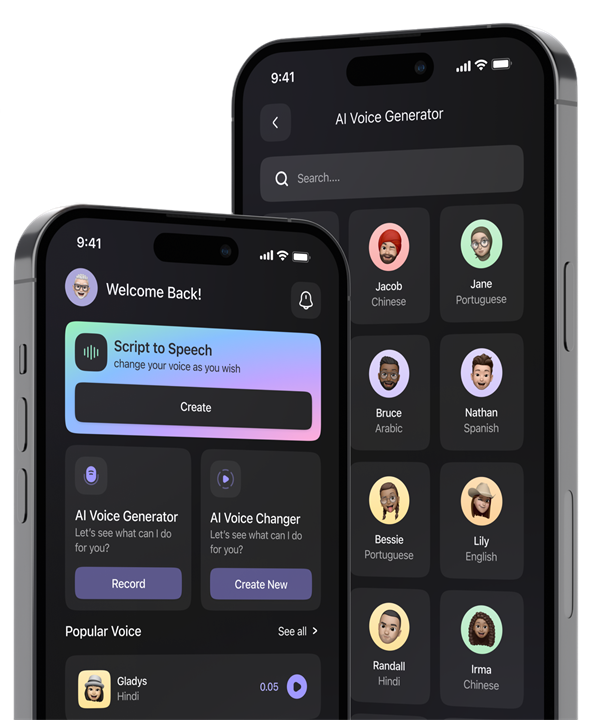
Plan and build mobile applications that connect users, workflows, data and supporting business systems.
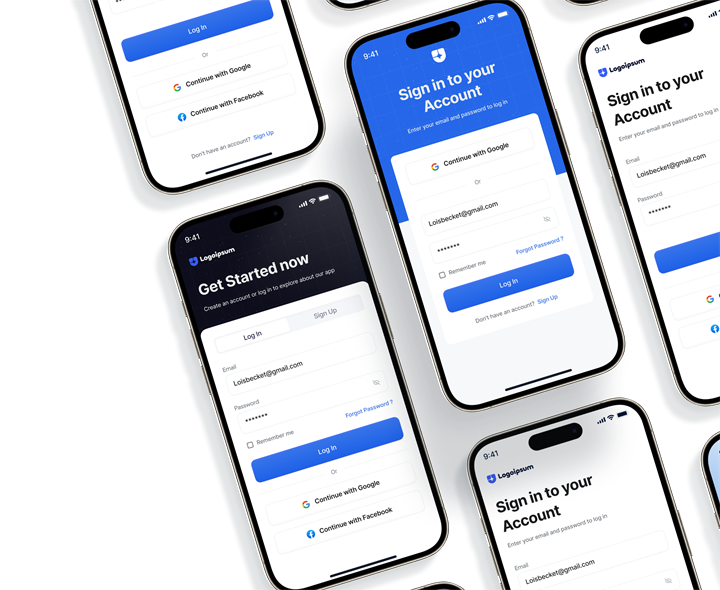
Develop purpose-built software platforms, enterprise applications and operational systems aligned to business requirements and workflows.
Build web applications and digital platforms that support customer, employee or operational experiences.
Research, define and design user journeys, interfaces and product experiences for web, mobile and software platforms.

Extend internal engineering capacity with defined roles, responsibilities and delivery governance.
Address broader business objectives through software, AI, integration, automation, data and digital-product solutions.
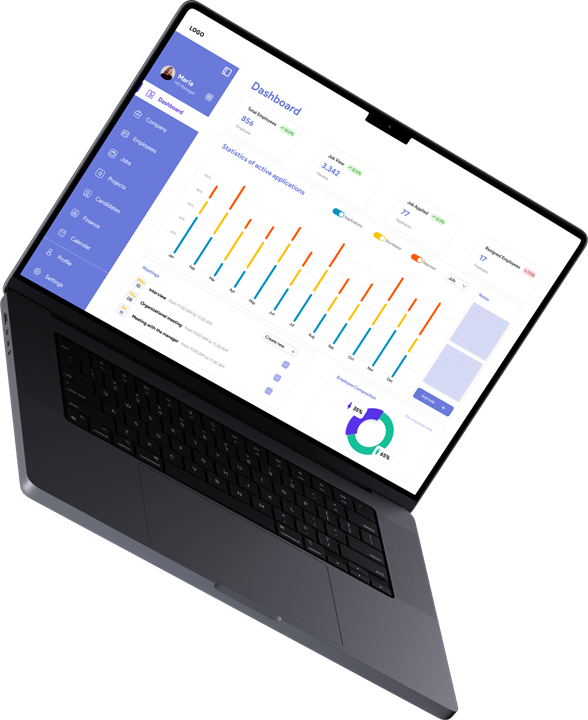
The initial discussion is intended to understand the product opportunity and determine what needs to happen next.
Useful context may include the problem you want the product to solve, the intended users, existing research, designs or documentation, key assumptions that remain uncertain, known integrations or dependencies, desired launch timing and existing internal product or engineering resources.
WDI can use this context to discuss whether the likely next step is further product discovery, an MVP, prototype, broader release or another approach.
Any formal discovery, design or development engagement is scoped and agreed separately.
An MVP should contain the functionality needed for the intended user to complete the essential first-release journey, together with supporting operational or integration requirements that cannot reasonably be deferred.
An MVP may not be appropriate when regulation, safety, contractual requirements, complex migrations or essential enterprise dependencies require a broader initial implementation.
This Solution page helps determine what should be validated and built first. MVP & Product Design is a specialist delivery service focused more deeply on product definition, journeys, prototypes and design work.
Use MVP product development when the first-release route, scope and validation priorities still need to be decided. Use MVP App Development when the requirement is engineering a defined mobile-led MVP.
Yes. WDI provides dedicated teams and team augmentation. The appropriate model depends on the responsibilities, capability gaps, ownership and delivery structure involved.
No. Some products are better served by a prototype, pilot or broader first production release. The decision depends on what remains uncertain and what the organisation needs to deliver next.
A new product does not need every planned feature on day one. It needs a clear purpose, a defined user and a first-release scope that supports the next business decision.
Share your product idea, intended users, existing plans and known constraints. WDI can review the context and discuss the most appropriate next direction.