
01 — REDESIGN
Product Redesign
Explore service
Product Redesign
& Modernisation
Where audit findings reveal structural UX problems, the broader product experience is reworked.

Understand where users hesitate, struggle, or leave before completing their goals. WDI reviews your product’s journeys, navigation, and interactions to identify usability issues and give your team a prioritised plan for improvement.






WDI reviews existing digital experiences to identify usability problems, journey friction and interface issues before teams commit to redesign or development. Our UX audit services can examine user journeys, responsive behaviour, accessibility considerations, conversion friction and available product evidence. The review concentrates on three questions: what is creating difficulty, why it matters and which improvements deserve priority. It does not produce a long list of disconnected observations.
 01 · WDI
The overall experience is reviewed against defined user journeys, interface behaviour, product goals and known operating constraints.
Discuss Your UXA UX audit often leads into further work. Depending on what the review uncovers, that may be redesign, interface work, product design or deeper application changes.
Where audit findings reveal structural UX problems, the broader product experience is reworked.
Following a website UX audit, journeys and interfaces are redesigned around the prioritised findings.
Inconsistency is addressed through reusable interface patterns and clearer design foundations.
Audit learning is applied when a new product direction or first release is being defined.
Some UX problems originate in ageing application architecture. In those cases, the deeper software constraints are addressed.
Approved UX changes are implemented where browser-based product engineering is required.
Approved experience changes are implemented where the mobile product is the primary context.
Redesigning the interface does not always solve a UX problem. WDI helps teams understand what is failing, why it matters and what kind of change is appropriate.
Discuss Your UXAn audit comes first when the priority is to understand what is wrong. Redesign follows once the underlying problems and the required changes are sufficiently clear.
Prioritise the journeys connected to important user tasks and business goals. Not every screen deserves equal weight, and the review should reflect each one's actual importance.
Interface friction should be separated from deeper issues involving product scope, workflows, information, integrations or application constraints. That separation comes before any design change is recommended.
Findings should be ranked by user impact, business relevance, implementation dependency and confidence. Not every observation is equally urgent.
Use whichever available evidence helps answer the audit question, whether behavioural, qualitative or operational. Where that evidence is incomplete, further validation may be required.
A website UX audit is appropriate when browser journeys and conversion paths are central. A broader product review is the better choice when workflows span applications, roles or more complex product behaviour.
The findings of a user experience audit can lead to design, product, modernisation or workflow changes. The appropriate route depends on where the friction comes from: the interface, the product structure or the wider system.
We improve important website or product journeys where unclear progression, interaction friction or content structure may be limiting enquiry or action.
Explore solutionSome experience problems originate in ageing software, fragmented workflows or technical constraints. They sit beyond interface design alone, and we address them at that level.
Explore solutionAudit findings are used to improve customer or partner journeys before portal interfaces, workflows and supporting product requirements are redesigned.
Explore solutionOnce the existing experience, information and workflow problems are understood, we evaluate whether AI could improve a defined user task.
Explore solutionUser-facing workflow friction is reviewed first. Only then are repetitive or fragmented operational processes translated into software-supported automation.
Explore solutionEvidence from an existing product or market experience informs the journeys, assumptions and priorities for a new first release.
Explore solutionUX findings are applied when redesigning role-based business software, where complex workflows, information and permissions shape the experience.
Explore solutionUX problems differ according to users, tasks, information and operating context. WDI can review digital experiences across industries while keeping the findings specific to the actual product.
Clarity on the product, the users, the important journeys, the business goals and the reasons the experience is being reviewed.
Clarity on the product, the users, the important journeys, the business goals and the reasons the experience is being reviewed.
Relevant product information, analytics, feedback or existing research is examined where it is available and useful.
Relevant product information, analytics, feedback or existing research is examined where it is available and useful.
We review important tasks, navigation, interfaces, responsive behaviour and points of friction.
We review important tasks, navigation, interfaces, responsive behaviour and points of friction.
Visible interface symptoms are separated from deeper product, workflow, information or technical issues.
Visible interface symptoms are separated from deeper product, workflow, information or technical issues.
We rank issues according to user impact, business relevance, confidence and implementation dependency.
We rank issues according to user impact, business relevance, confidence and implementation dependency.
Quick interface improvements are distinguished from redesign, validation or deeper product and technical work.
Quick interface improvements are distinguished from redesign, validation or deeper product and technical work.
The prioritised findings become a clearer basis for optimisation, redesign or implementation.
The prioritised findings become a clearer basis for optimisation, redesign or implementation.
UX auditing combines expert review, behavioural evidence, responsive assessment and technical context. The methods used should match the product, the audit question and the evidence available.
Available product behaviour information helps investigate defined UX questions and journey issues.
Suitable interaction evidence is reviewed where it helps explain user behaviour and friction.
We review selected interface considerations and identify where deeper accessibility design or technical work may be required.
Key journeys and interface behaviour, reviewed across supported screens and responsive contexts.
Loading and interaction behaviour are considered where perceived responsiveness may affect the user experience.
Relevant analytics, where available, help investigate defined UX questions.
We examine important user flows to identify unnecessary steps, unclear progression and journey breaks.
Interface behaviour is reviewed where frontend implementation may contribute to identified UX friction.
AI can assist selected UX-review activities where it helps organise information or explore patterns. Human interpretation and product judgement remain central.
AI helps review suitable behavioural information for patterns that require human interpretation.
Suitable research or feedback information is organised to support human analysis.
AI helps surface potential areas that require further UX review.
We explore where personalised experiences may address a defined user need, given the information available.
AI supports the review of selected interface content, under human judgement.
AI serves as one input when selected accessibility considerations are reviewed.
Journey evidence and observations are organised for further UX analysis.
AI helps organise suitable testing evidence. It does not replace validation decisions.
A fraction of what we have shipped.
Product redesign can lead into broader design, software, mobile, web, AI or delivery requirements, depending on what the existing product needs next.
We evaluate AI opportunities where intelligence supports a defined product, workflow or user need.
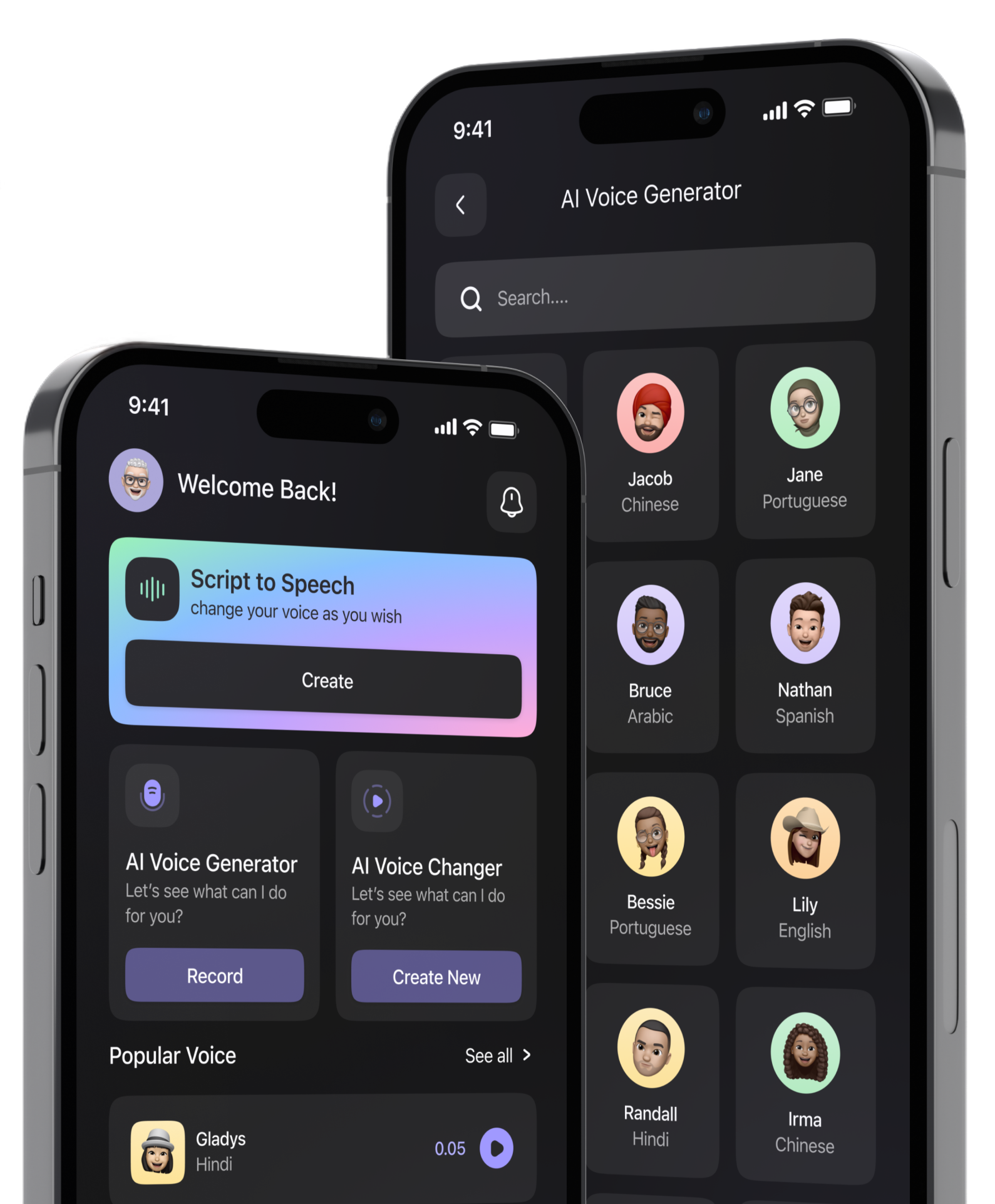
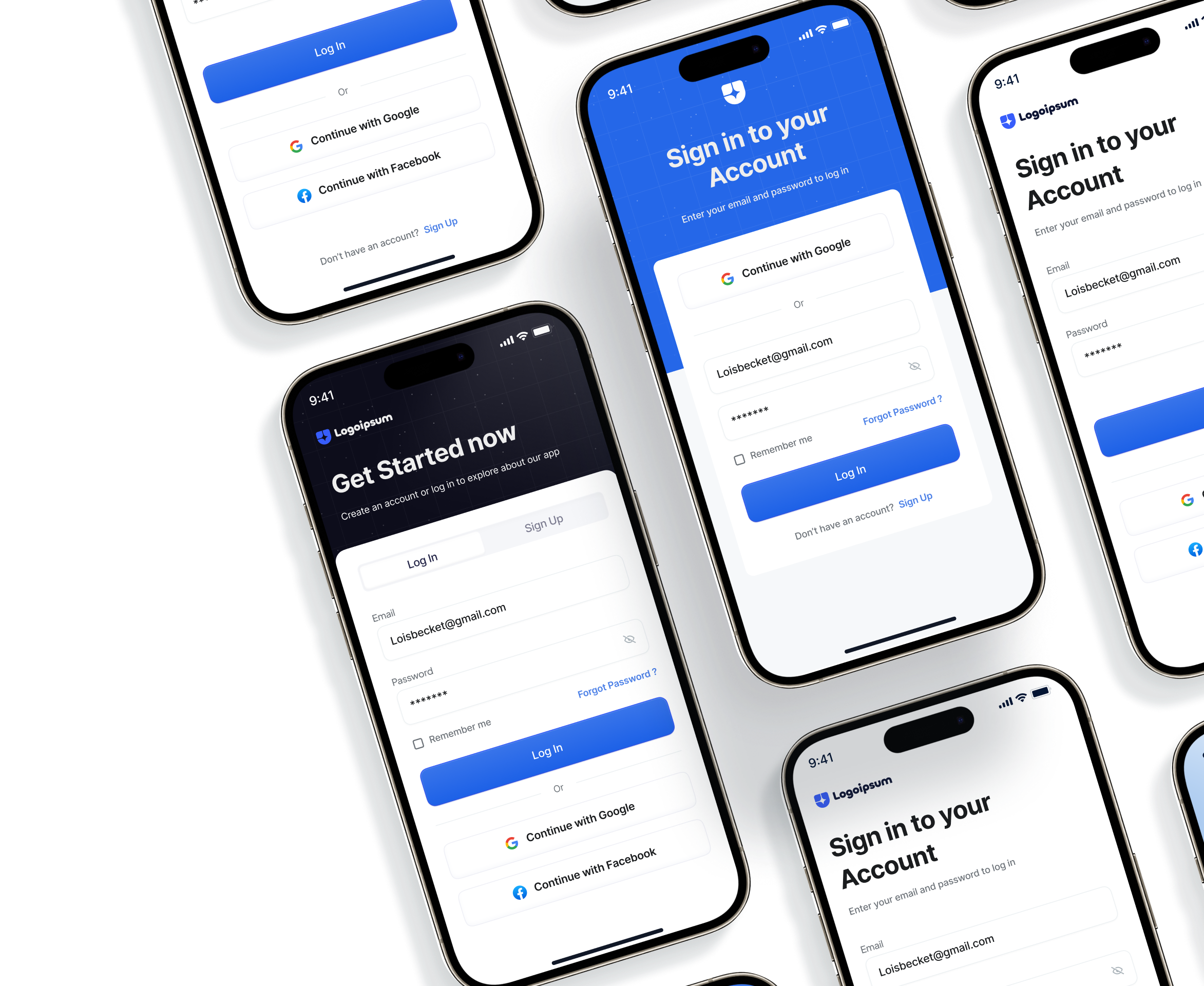
Approved redesign work is implemented where mobile engineering is required.
We address the deeper software, workflow or integration constraints affecting the product.
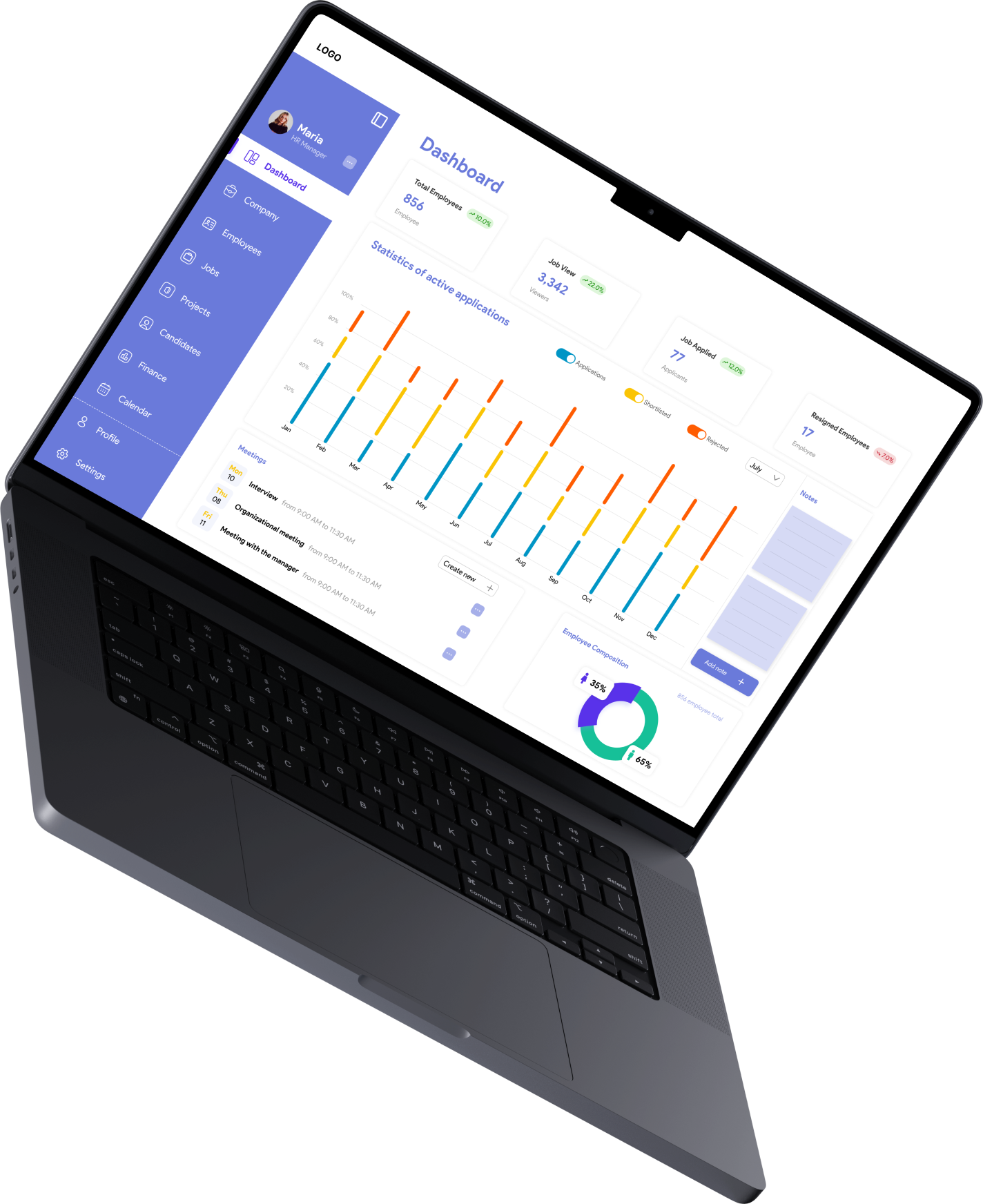
Approved redesign work is implemented where the browser experience is central.
Specialist UX, website UI/UX, product design or design-system work.

Defined design or engineering capacity, added within an established delivery environment.
Broader technology approaches, for cases where redesign exposes a wider product or operational problem.
Verified feedback from founders, product owners and technology teams who have worked with WDI across strategy, design, engineering and long-term product delivery.
WDI reviews why users may be struggling before assuming that a new interface is the answer.
Issues can be weighed by user impact, business relevance, confidence and implementation dependencies. They are not delivered as an undifferentiated list.
UX recommendations can account for the workflows, integrations and implementation realities that influence what can or should change.
Analytics, feedback, product information and other available evidence can inform the audit where they address the question under investigation.
Depending on the actual cause, findings may lead to optimisation, redesign, product work, modernisation or further validation.
Audit outputs can provide a clearer basis for the design and engineering decisions that follow.
UX audit services review an existing website, app or digital product to identify usability, journey and interface problems. A useful audit goes further than a list of design observations. It explains what may be creating friction, why it matters and which issues deserve priority.
A UX audit can be useful in several situations: users struggle with important journeys, conversion paths appear weak, or teams disagree about UX problems. It also helps when a redesign is being considered, or when an existing product needs evidence before a decision is made on what to change.
A website UX audit may review navigation, key journeys, page structure, responsive behaviour, interaction patterns, conversion paths and accessibility considerations. Where relevant analytics or behavioural evidence is available, that may be reviewed as well.
No. A UX audit can include expert evaluation and available product evidence. Usability testing observes representative users attempting defined tasks. Depending on the question, testing may be recommended as a separate validation step.
A UX audit can help inform that decision. Some problems may justify targeted optimisation, while broader structural or interaction issues may point towards redesign. Technical or product constraints may require a different route altogether.
Yes, when the conversion friction is connected to the digital experience. A UX audit can examine journeys, clarity and interaction issues. It should not assume that every commercial performance problem is caused by UX.
Yes. WDI can review existing mobile-app experiences, including important journeys, interaction patterns, device-context issues and available product evidence.
The next step after a UX audit depends on the findings. It may involve targeted optimisation, product redesign, website UI/UX work, technical changes or usability validation. Where the underlying issue extends beyond the interface, it may involve a broader product decision.
Share the website, app or digital product you want reviewed, the journeys that matter most, any known user concerns and the evidence you have available.
WDI will review the experience and help identify whether the next step should be focused optimisation, redesign, further validation or broader product and technical work.