

Who needs thereporting?
Executives, managers and operational users may require different information and levels of detail.

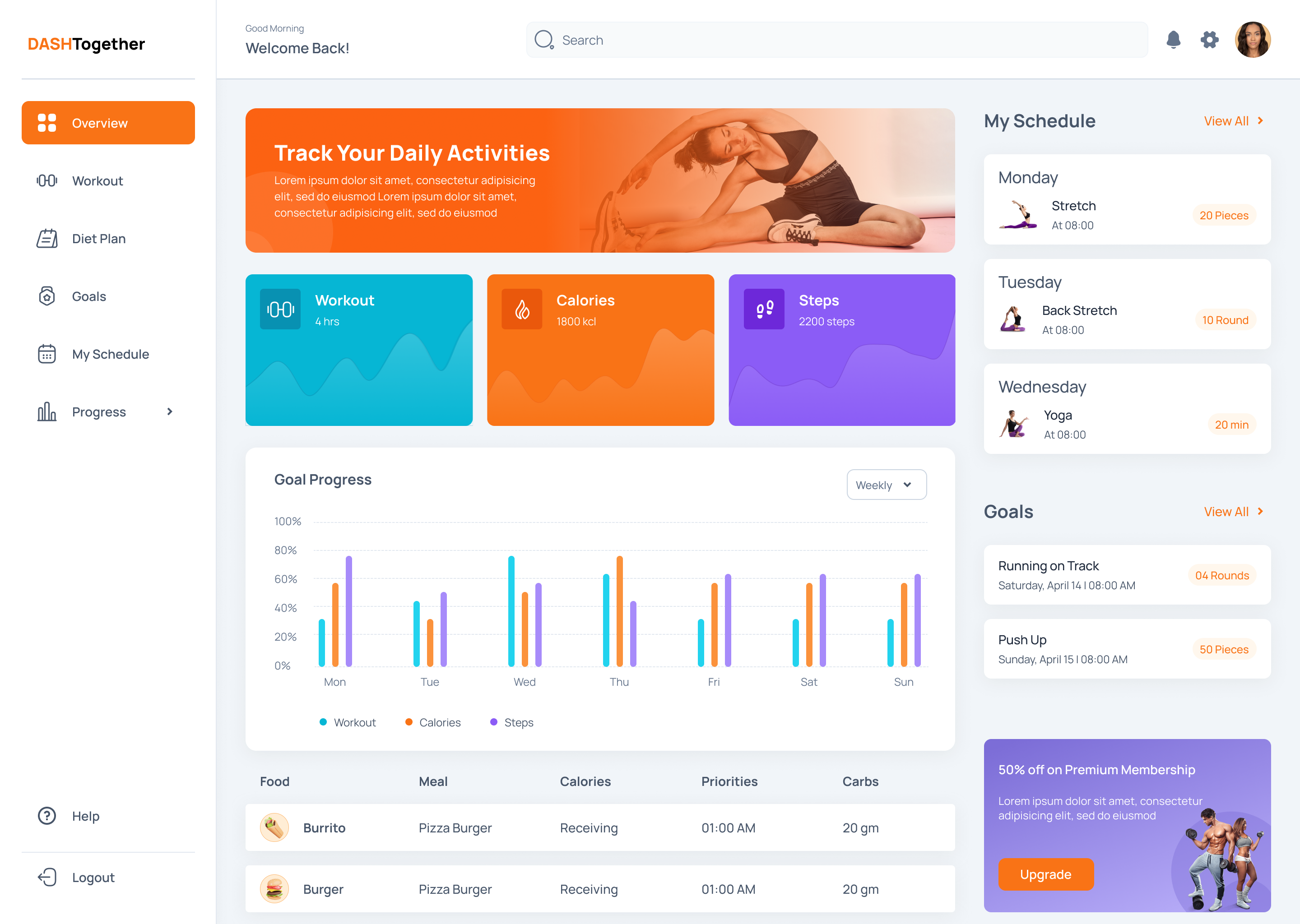
Turn data from across your business into a clearer view of performance, trends, and priorities. WDI develops business intelligence dashboards around agreed metrics, helping your decision-makers explore results and understand where to act.
Centralized reporting brings relevant information from appropriate business sources into a more coherent reporting environment.
That environment may need to support executive reporting, operational dashboards, recurring management reports, performance tracking, information from multiple systems, different views for different users, historical comparisons and reporting workflows.
The goal is to present relevant information to each audience in a clear format that supports decisions and workflows. Enterprise reporting solutions help unify reporting across teams, applications and organisational levels.
Centralized reporting becomes worth evaluating when obtaining a useful view of the business requires repeated manual work or information from several disconnected sources.
A new reporting platform may not be the right answer when the underlying data is unreliable, important definitions remain disputed, source systems cannot provide suitable information or a simpler improvement to an existing reporting tool would address the requirement.
The first reporting decisions should concern users, questions and information before dashboard layouts or visualisations are selected.
Executives, managers and operational users may require different information and levels of detail.
A defined decision or workflow creates a clearer purpose than displaying every available metric.
Reports should prioritise information that contributes to the intended business question.
Source systems affect availability, quality, ownership and integration requirements.
Shared definitions reduce conflicting interpretations of the same business activity.
Reporting frequency should reflect the decision rather than assuming every dashboard needs immediate updates.
How will the reporting be evaluated? Evaluation should consider whether intended users can understand and act on the information provided.
A useful dashboard is not defined by how much data it displays. It is defined by whether the right users can understand the right information for the decisions they need to make.
Share the reporting problem, current information sources and the decisions users need to make.
Discuss Your Reporting NeedsBring relevant information from appropriate business sources into a more coherent reporting experience.
Present selected business measures and trends for leadership-level review and decision support.
Give operational users relevant information about activities, workflows, status and performance.
Combine suitable information from multiple sources where reporting requires a more unified view.
Structure reporting around defined business questions, measures and user requirements.
Reduce repeated manual report preparation where source information and reporting rules are sufficiently defined.
Create recurring reporting experiences around the information managers need to review and interpret.
Present agreed measures over time where definitions, sources and intended use are clear.
Reporting should be evaluated as an information and decision problem rather than only as a dashboard-development task.
The decisions, questions or workflows the reporting should support
Who needs the information and how their reporting requirements differ
Which systems contain the information required for reporting
Whether the required information is available, usable and sufficiently consistent
How important measures should be defined and interpreted
How appropriate information can be obtained from relevant systems
How current the information needs to be for the intended use
How reporting effectiveness and decision-making improvements will be evaluated
Access requirements. Which users should be able to view different information or reporting areas. Operational ownership. Who will own definitions, reporting changes and ongoing data quality decisions.
WDI’s business-first approach starts with the questions users need answered, the information available and the decisions the reporting should support before defining the technical solution. The assessment may point towards a new dashboard, consolidation of selected data, improvements to an existing reporting environment, integration work or changes to underlying information processes first.
Build reporting interfaces and internal tools around defined users, information and operational requirements.
Introduce suitable AI-assisted functionality where the reporting use case and available information justify it.
Connect reporting requirements with the business processes and workflows they are intended to support.
Extend customer, sales or service software where reporting requirements depend on CRM information and workflows.
Improve existing applications where technical constraints prevent suitable reporting or information access.
Connect appropriate applications where reporting depends on information held across multiple systems.
Support application environments and delivery requirements associated with suitable reporting platforms.
Present defined business measures and information through dashboards designed around specific audiences and questions.
Bring selected operational and management information into software supporting recurring review and reporting.
Provide structured reporting environments for exploring appropriate business information and defined measures.
Give leadership audiences controlled access to selected reporting views, trends and business information.
Present workflow, status and performance information relevant to defined operational users.
Support appropriate information organisation and management where reporting requirements depend on consolidated business data.
Present agreed performance measures and reporting views around defined organisational requirements.
Provide controlled reporting experiences where different users need appropriate access to recurring business information.
Present agreed measures over time where source information supports a consistent view of change.
The engineering considerations behind a reporting environment: sources, definitions, access and delivery, chosen around the decisions the information should support.
Prepare and structure appropriate information for defined application and reporting requirements.
01Support consolidated reporting where appropriate information needs a structured reporting-oriented environment.
02Move and prepare suitable information between defined sources and reporting destinations.
03Obtain appropriate information from applications where suitable interfaces and permissions are available.
04Structure and manage application information required by reporting and analytical workflows.
05Prepare information at the frequency required by the intended reporting use case.
06Connect suitable reporting or analytical capabilities with defined application and information requirements.
07Define reporting access according to relevant users, roles and information needs.
08Establish how important measures should be defined and interpreted before they are presented together.
09Bring relevant information into clearer views for the users who need it.
Present suitable measures and context while retaining business decisions with people.
Use agreed definitions where teams need a common interpretation of important measures.
Reduce repeated preparation where reports can be generated from suitable structured information.
Give teams clearer visibility into relevant workflow, status or performance information.
Bring appropriate information together when useful reporting depends on several applications.
Structure recurring information around the questions managers and leaders need to consider.
Make relevant reporting easier for appropriate users to find and interpret.
Evaluation should reflect whether the reporting helps intended users understand the information required for their decisions and workflows. Depending on the requirement, evaluation may consider report usage, information completeness, data consistency, reporting timeliness, dashboard responsiveness, user adoption, recurring manual work, reporting exceptions and user feedback.
A dashboard can function technically while still failing to answer the questions its users actually have. Evaluation should therefore consider both system behaviour and how people use the information. Planning should also establish who owns metric definitions, how reporting changes are requested, what information-quality issues should be monitored and how new reporting requirements will be assessed.
These examples describe possible reporting contexts rather than claims of specialist WDI analytics expertise in every sector.
A fraction of what we have shipped.
WDI is a digital product engineering and AI solutions company with authorised capabilities across custom software, mobile and web engineering, product design, digital consulting and AI integration. Across its broader delivery work, WDI has built 200+ digital products and delivered 2,000+ projects. These figures describe WDI’s overall product and project experience and do not imply that every engagement involved business intelligence or reporting. Use this page when you need to determine what information should be consolidated and how reporting should support wider business decisions. Use Internal Tools & Dashboards when reporting requirements are sufficiently defined and the primary need is specialist dashboard or internal-tool implementation. Enterprise reporting solutions may be appropriate where reporting spans several teams or applications. Improving an existing dashboard may be preferable when the information foundation already works. Related routes: Integrate Systems & Tools and Automate Business Operations.
Evaluate and implement AI capabilities where intelligent processing can add practical value to products, software or business workflows.
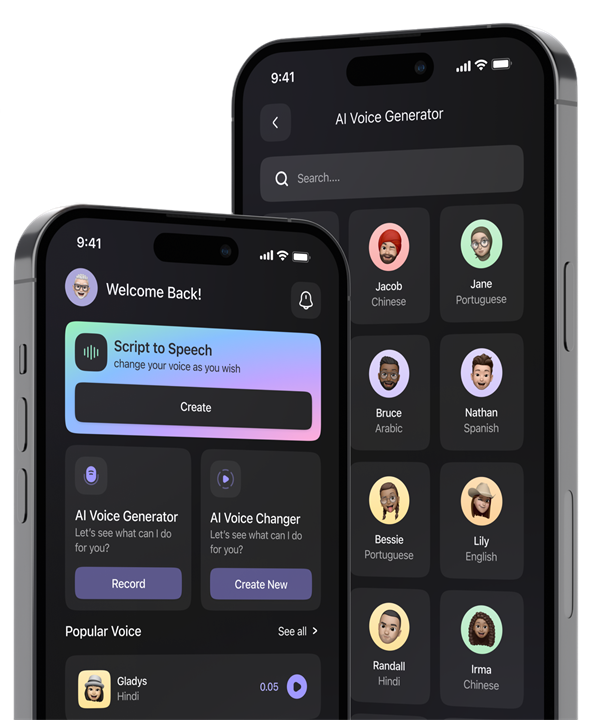
Plan and build mobile applications that connect users, workflows, data and supporting business systems.
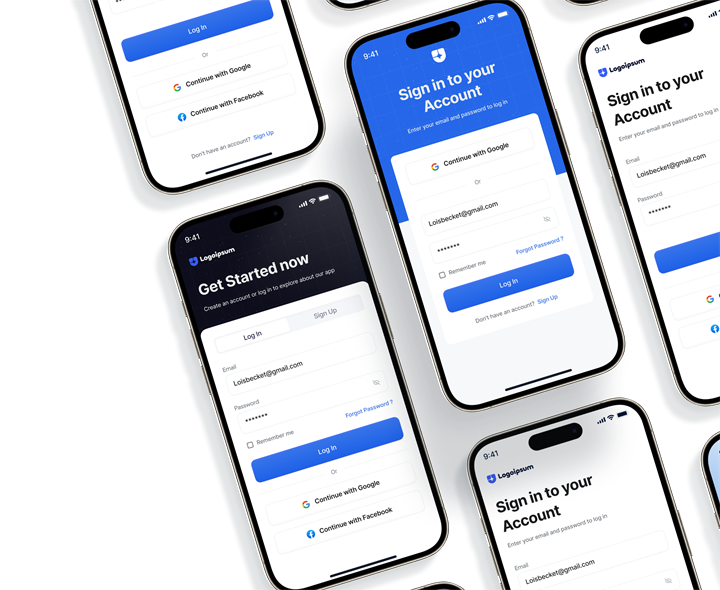
Develop purpose-built software platforms, enterprise applications and operational systems aligned to business requirements and workflows.
Build web applications and digital platforms that support customer, employee or operational experiences.
Research, define and design user journeys, interfaces and product experiences for web, mobile and software platforms.

Address broader business objectives through software, AI, integration, automation, data and digital-product solutions.
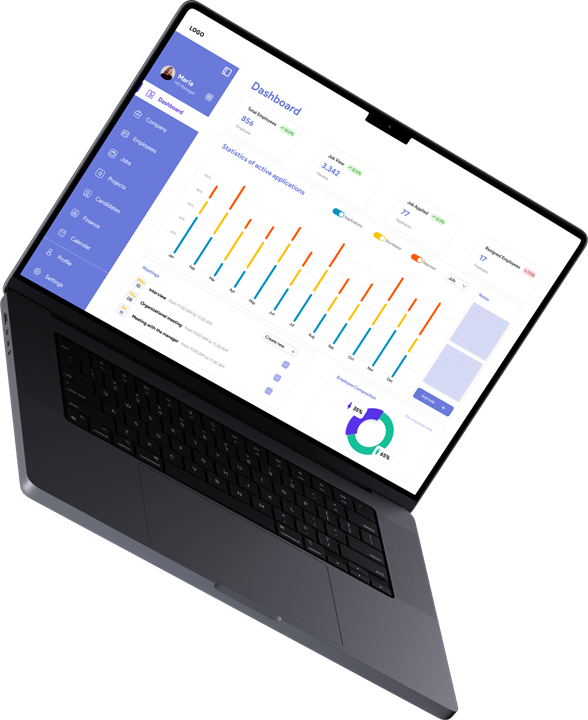
The initial conversation should establish what users need to understand, where the relevant information currently lives and what prevents existing reporting from meeting that need.
Useful context may include the reporting problem or decision involved, intended users and reporting audiences, existing reports and dashboards, systems containing relevant information, important measures or definitions, reporting frequency requirements, known access or information constraints and how the organisation would recognise a useful result.
WDI can review that context and discuss whether the likely next step involves reporting assessment, technical discovery, dashboard planning, systems integration, application changes or another approach.
Any formal discovery, design or development engagement is scoped and agreed separately.
A business intelligence dashboard presents selected business information and measures in a structured view designed to help a defined audience understand performance, activity or another business question.
No. Reporting may use appropriate information from existing applications. Whether systems need changes depends on information availability, interfaces, data quality and the reporting requirement.
No. Different users need different levels of information. A useful dashboard should prioritise measures relevant to its intended audience and decisions.
No. Reporting frequency should follow the business requirement. Some decisions need current information, while daily, weekly or other reporting intervals may be appropriate elsewhere.
Information ownership and metric definitions should be clarified before presenting conflicting sources as one measure. The appropriate resolution depends on the systems and business process involved.
Yes. WDI provides team augmentation and dedicated-team models. The appropriate arrangement depends on responsibilities, capability requirements, governance and delivery ownership.
The strongest reporting environment is not the one with the most dashboards. It is the one that gives the right users appropriate information, definitions and context for the decisions they need to make.
Share your reporting challenge, current systems and intended users. WDI can review the context and discuss an appropriate next direction.